Iraq has completed a 40-year wait and appeared on the main football stage this summer. However, the scale of defeats at the World Cup showed how far the team still has to go to compete with leading national teams worldwide.
Iraq has completed a 40-year wait and appeared on the main football stage this summer. However, the scale of defeats at the World Cup showed how far the team still has to go to compete with leading national teams worldwide.
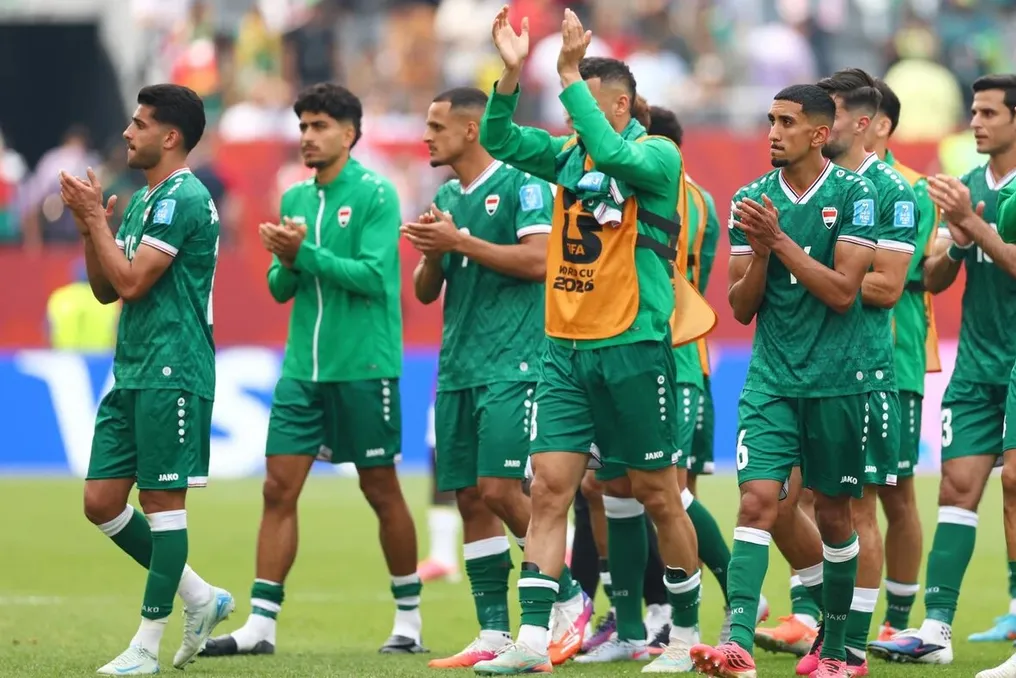
The 'Lions of Mesopotamia' began their tournament with a 4-1 defeat to Norway, then lost 3-0 to France, and were eliminated from the competition after a 5-0 match against Senegal. Iraq conceded the most goals in the group stage.
These results exposed a significant gap that, according to many fans, may take years to overcome. Despite the setbacks, some positive moments were noted. The goal scored by the talisman striker, Ayman Hussein, against Norway brought joy to 60,000 spectators and millions of viewers around the world.
Zainab Hassan, a resident of New York and an Iraqi fan, shared her impressions: 'It is hard to describe what it is like to see the flag, hear the songs, and just be together.' She added: 'The team lost, but it wasn't about winning; it was about being there and feeling the excitement. I never thought I would see this.'
Some in Iraqi football did not expect an easy path, but the scale of the defeats intensified scrutiny of the situation. A cooler analysis is now required, unlike the emotions that might have supported fans during qualification. The Iraqi Olympic Committee announced the start of an investigation jointly with the Iraqi Football Association (IFA) to study what happened and determine the necessary steps.
Ahmed Awad Zamil, an IFA representative, emphasized that 'competition at the highest level of international football requires experience, constant development, and thorough preparation.'
Baghdad television presenter Nawwar Fayek Al-Rikabi noted that the team 'tried, but it was difficult.' He added: 'We did not perform well. We should have played better and not lost so heavily. Against France and its stars, we simply lack experience. Senegal was a disaster; we should have looked better. We have good players, but they did not look good.'
For the federation, the qualification itself was an important achievement after a 40-year absence. Ahmed Awad Zamil, IFA press secretary, stated that 'the main goal of qualifying for the FIFA World Cup was achieved after a 40-year absence.' He also acknowledged that returning to the FIFA World Cup after four decades presents a new challenge.
The rivalry with such strong nations as Norway, France, and Senegal demonstrated Iraq's current standing. The task now is not just to qualify again, but to become a force to be reckoned with. Zamil concluded that the focus is now on ensuring the team is fully prepared so it can represent Iraq with pride, using this historic qualification as a foundation for long-term success.
Attention quickly shifted to the next steps. The Gulf Cup in August and the Asian Championship with 24 teams in January, both scheduled in Saudi Arabia, provide immediate opportunities for progress. A crucial aspect is retaining the coaching staff.
Graham Arnold, appointed in March 2025, led the Iraqi team to qualification and enjoys the federation's support. Zamil stated that 'technical stability is one of the key factors for success, so extending the coach's contract reflects the federation's confidence in the current project and its commitment to maintaining continuity.'
Arnold's future remains uncertain amid reports of interest from the United Arab Emirates. Nevertheless, some observers believe his influence is already significant. Al-Rikabi noted: 'The federation must keep Arnold because he gave the team an identity. Even despite heavy defeats, if they keep him, he will have a chance to build a new young team.'
Beyond short-term issues, there is a broader structural problem—the development of Iraqi coaching staff. Al-Rikabi added: 'We must improve in this area. Local coaches must receive training, attend courses, and observe European teams and how they work at the youth level. In modern football, coaches at the U17 level are the essence of everything.'
Higher quality and more numerous coaches contribute to the development of youth in a country with a deep football culture. Al-Rikabi stressed: 'We are a nation of 46 million people, so it is impossible for us not to have good players, but we cannot see them. Iraqis have immense passion for football, so if we pay attention to players aged 12 to 16, we will have great talent; but if no one notices them, they will disappear.'
Although Iraq increasingly attracts its diaspora, the growing trend in football, amplified by the World Cup, shows that the country's long-term progress largely depends on the domestic league. The 'Iraq Stars' League remains central but needs structural reforms and investment.
Al-Rikabi pointed out serious problems: 'We lack training fields, which is a huge problem, and there is a lack of sufficient long-term planning.' He also noted: 'Too much attention is paid to this year's results. Fan voices are strong, and clubs fear them. We do not have the right structure for local leagues; we do not have a U17 league, nor organized U20 teams.'
Zainab Hassan, an Iraqi fan, stated: 'It was fantastic to see Iraq on the world stage. We would like to do it again.'
Unlike neighbors such as Saudi Arabia and Qatar, Iraq does not possess comparable financial resources. Nevertheless, the federation declares its commitment to strengthening the league's foundations. Zamil reported that 'the federation aims to strengthen the commercial and marketing value of the league, improve club management and financial sustainability to increase the overall competitiveness of the league with the goal of producing more players capable of competing internationally.'
He also added that 'a stronger domestic league will ultimately strengthen the Iraqi national team. Improving stadiums and football infrastructure, raising professional standards of clubs, investing in youth development and academies.'
Only time will tell whether Iraq's return will be a milestone or just a fleeting achievement. Its place in the 2030 World Cup will indicate whether the lessons of this year's campaign have been learned, and that the qualification after 40 years marked the beginning of a longer journey. Nevertheless, for the fans, the return itself was unforgettable, as Hassan noted: 'It was fantastic to see Iraq on the world stage. We would like to do it again.'
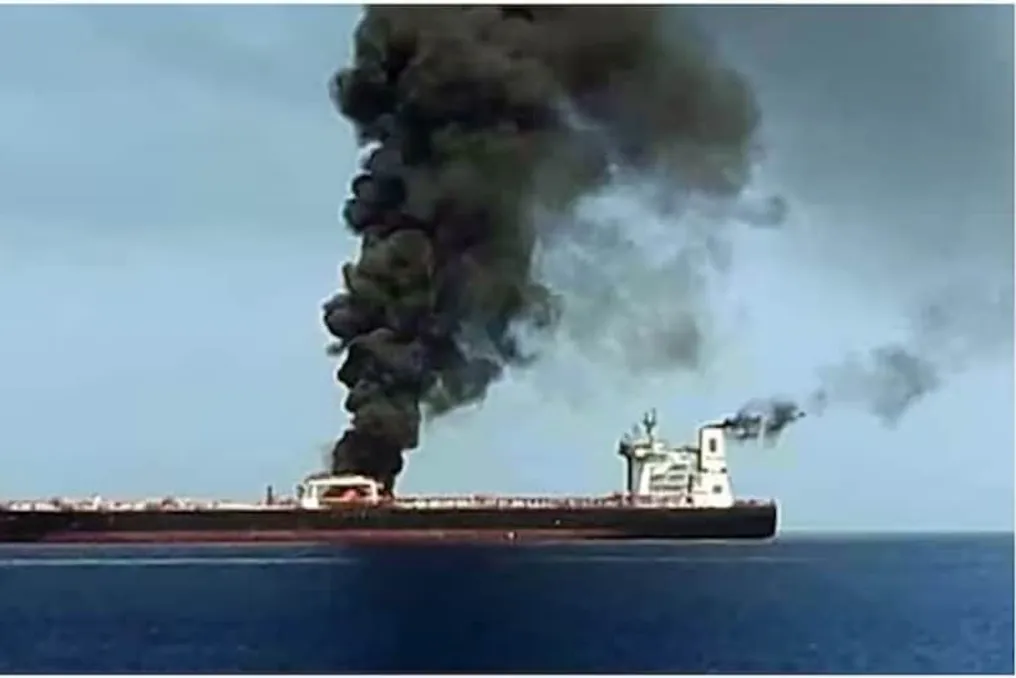
Despite reaching a peace agreement between Iran and America, tensions in West Asia are rising again. New concerns have arisen following missile attacks on two vessels near the Strait of Hormuz, which occurred during the funeral of former Iranian Supreme Leader Ali Khamenei.
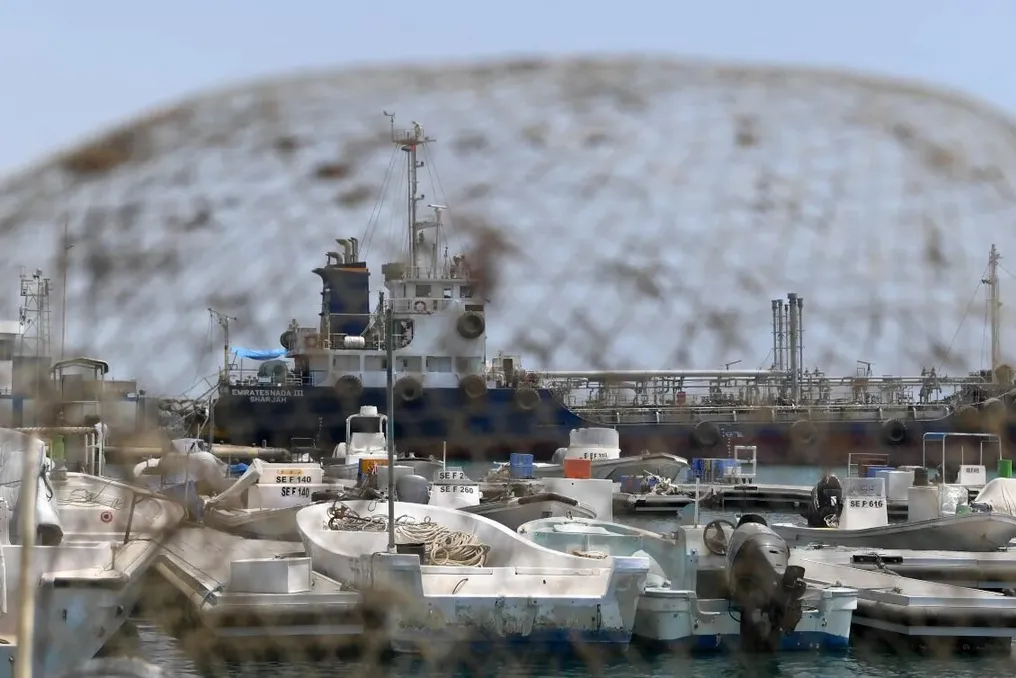
Qatar placed direct responsibility for the attack on its oil tanker near Hormuz on Iran. In turn, Iran claims that the tanker ignored warnings issued by Iran. This once again raises fears of a possible military confrontation between the US and Iran, jeopardizing the signed peace deal.
US President Donald Trump and Iranian President signed a Memorandum of Understanding (MOU) on peace on June 17. This step was seen as significant progress in reducing long-term tensions between the two states. However, even after the deal was concluded between the countries, numerous military attacks and retaliatory actions took place.
Initially, after the vessel was attacked in Hormuz, the US struck Iranian military targets. In response, Iran stated it had launched strikes on American military bases in Kuwait and Bahrain. Following this military confrontation, which lasted about 48 hours, both countries accused each other of violating the terms of the agreement.
It was decided to suspend attacks and postpone negotiations for a week until the completion of Ali Khamenei's funeral. Nevertheless, a renewed missile attack in Hormuz during the mourning ceremonies changed the course of events. A representative of the Qatari Ministry of Foreign Affairs, Majid Al-Ansari, made a statement.
He stated that the attack on the Qatari tanker 'Al-Rikayat' near Hormuz is an unacceptable attack on the safety of international shipping and global energy supply. He emphasized that Qatar legally holds Iran responsible for this attack and all its consequences. Official Iranian media presented a different version of events.
According to IRIB, the targeted tanker was attempting to transit through Oman with support from the US fleet. The report indicated that the Iranian army had repeatedly warned the tanker, and action was taken after the warnings were ignored. It was noted that all vessels passing through Hormuz must comply with the rules.
Before the vessel attack, US President Donald Trump warned Iran, stating that if an agreement was not reached, America would take all necessary measures. He warned that the US could damage major Iranian energy facilities and infrastructure. Trump noted, however, that his main priority was reaching an agreement, but he would not refrain from action if required.
Iran reacted sharply to this statement. Mohammad Bagher Zolghadra, Secretary of the Iranian Supreme National Security Council, countered Trump's statements. He demanded that the American president speak respectfully to the 91 million Iranians, rather than threatening them. He added that if America used threatening language, Iran would respond in kind, as America had previously faced the consequences of such an approach in the form of defeats and calls for ceasefires.
Foreign Minister Abbas Araghchi stated that negotiations for a final agreement would not advance if threats against Iran continued. He referred to point 13 of the Tehran-Washington memorandum, which stipulates that negotiations will not begin if threats persist. He called on America to honor its signatures.
Araghchi also reported that millions of Iranians gathered to pay tribute to Khamenei, and neither the Iranian people nor the country's armed forces were unsettled by any threats. The Iranian army made it clear that it was ready to respond to any potential military action, and any act of aggression would be met with a decisive response.
Iran stated that it strives for a diplomatic solution. Its opponents believed that the Islamic Republic would weaken due to the assassinations of Ali Khamenei, military commanders, and scientists, as well as attacks on residential areas. However, the opposite occurred: national unity, public support, and the strength of governance in the country strengthened.
Hopes were placed on the reduction of tensions after the signing of the MOU between the US and Iran. However, constant attacks and retaliatory actions undermined these expectations. Initial attacks, followed by a truce, and then a missile strike in Hormuz during the funeral made the situation extremely sensitive.
The whole world is watching the next steps by the US and Iran. If America responds to this attack with military action, Iran has already warned of a possible counterstrike. In such a situation, tensions in the Persian Gulf could reach a peak again, and only time will tell what path both countries will choose.
A Memorandum of Understanding (MoU) signed by the United States and Iran on June 17 has the potential to transform the economic landscape of the Persian Gulf region, paving the way for the resumption of trade and investment with Iran.
The central element of this agreement is the commitment to ease long-standing sanctions and integrate Tehran more deeply into regional economic networks. The framework provides for the lifting of primary and secondary US sanctions against Iran, as well as the creation of a $300 billion fund to be supported by Washington and regional partners to finance the country's recovery and development.
For Gulf states that have long viewed Iran as both a neighbor and a commercial opportunity, this agreement could be a turning point. Qatar has already begun considering the easing of sanctions from a commercial perspective.
At the G7 summit, Sheikh Tamim stated the existence of 'huge investment opportunities in Iran,' indicating that some Gulf capitals see potential benefits in economic engagement through successful diplomacy. However, sanctions are only part of the problem.
Months of direct Iranian drone and missile attacks on countries of the Gulf Cooperation Council (GCC) have heightened long-standing security concerns, raising questions about how quickly economic interaction can expand.
Amid the reconciliation between Iran and Saudi Arabia in 2023, Riyadh appeared ready to launch large-scale investment projects within the Islamic Republic. At that time, Saudi Finance Minister Mohammed Al-Jadaan asserted that investments in Iran could happen 'very quickly' after the restoration of diplomatic relations. Nevertheless, such investments have not materialized, at least in part due to ongoing secondary US sanctions against Iran. The memorandum between Iran and the US offers a basis for removing these obstacles.
The preliminary agreement requires the cancellation of all primary and secondary US sanctions against Iran, as well as granting the US all licenses, waivers, and permits necessary for financial operations between Iran and the region. However, implementation will take time, according to Robert Mogilnitsky, a non-resident of the Gulf States Institute.
He notes: 'Even in the most optimistic scenarios for Iran, the risks associated with sanctions will not disappear anytime soon.' Regional and international companies are likely to remain cautious about the sustainability of any final agreement between the US and Iran.
Just three years after the US withdrew from the landmark Joint Comprehensive Plan of Action (JCPOA), widely known as the Iran nuclear deal, it reimposed sanctions on Iran, forcing multinational corporations, including Boeing, to almost instantly exit the Iranian market. Ali Ahmadi, a senior research fellow at the Geneva Centre for Security Policy, stated: 'It is important to remember that the fear of the US withdrawal from the JCPOA meant that international markets fluctuated even regarding Iran's credit years before the US left the deal.'
Ahmadi added that since these banking channels were suspended for some time, restoring these financial links will not be quick or easy, especially for major global banks with significant dollar exposure.
As a result, large-scale regional investments in Iran are likely to occur gradually while investor confidence is restored and the financial infrastructure for cross-border operations is rebuilt. Meanwhile, existing trade between Iran and the region is likely to expand, mainly in sectors such as consumer goods, electronics, automobiles, medical supplies, pharmaceuticals, and construction materials.
Amandjeh Yarvaisi, Director of the MEED Fund, noted: 'Most of the discussion is focused on Gulf trade hubs, but Iraq is also part of the conversation. Iraq and Kurdistan already ensure a high volume of trade with Iran through established transport routes, numerous border crossings, and private relationships.'
The GCC appears ready for diplomatic engagement with Tehran despite repeated Iranian drone and missile attacks on them since February 28. All six GCC member states welcomed the signing of the MoU in June, which was achieved with the support of mediators from Qatar and Pakistan.
Oman participated in negotiations with Iran regarding the management of the Strait of Hormuz, while Doha, Muscat, and Riyadh sent delegations to the funeral of former Supreme Leader Ali Khamenei on July 3. Mehran Hagirian, Director of Research at the Bourse & Bazaar Foundation analytical center, stated: 'The GCC countries are at the center of current negotiations. Qatar and Oman represent not only their own interests but also those of the GCC.'
This contrasts with Iran's relationship with some Gulf capitals prior to the war. Hagirian noted: 'Even after the reconciliation between the UAE and Iran, there was a situation where Dubai expanded trade with Iran, while Abu Dhabi continued to view Iran as a threat to regional stability. It is interesting that the recent war brought this tension to the surface.'
The recent war also showed that the next stage of Iran-Gulf rapprochement will depend on whether economic interaction can match progress in regional security.
GCC countries are unlikely to commit to large-scale investments unless Tehran can assure the Gulf capitals that regional tensions will not escalate again. Justin Alexander, Director of Khalij Economics, believes: 'To gain substantial benefits from Gulf investment and trade, Iran must demonstrate some remorse for the damage caused to Gulf countries, including the killing of citizens, and commit not to use aggression in the future.'
However, despite these security constraints, the commercial incentives for deeper economic integration remain significant for both Iran and its neighbors in the Gulf. Existing trade networks, long-standing business ties, and geographical proximity mean that regional economic integration will develop based on existing commercial connections rather than being built from scratch.
Hagirian emphasized: 'There are two decades of strong ties between people in Iran and the GCC.' These ties—encompassing traders, logistics firms, distributors, and investors operating across the Gulf and in Iran—have formed commercial networks that have withstood years of tense relations between Iran and its Gulf neighbors, as well as various rounds of US sanctions. This creates a foundation upon which broader regional economic integration can expand if financial and security restrictions are eased.