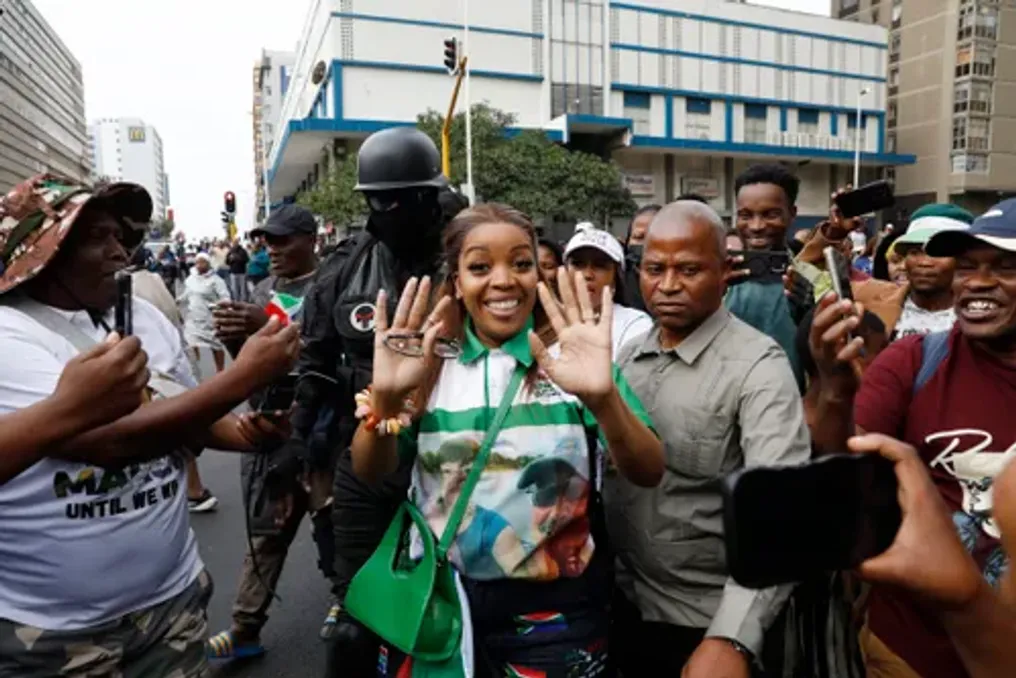
Jacinta Ngobese-Zuma, leader of the March and March movement, has once again rejected claims that her organization is xenophobic, stating that the group is tired of constantly having to defend its position.
Continuation of Protests and Demands
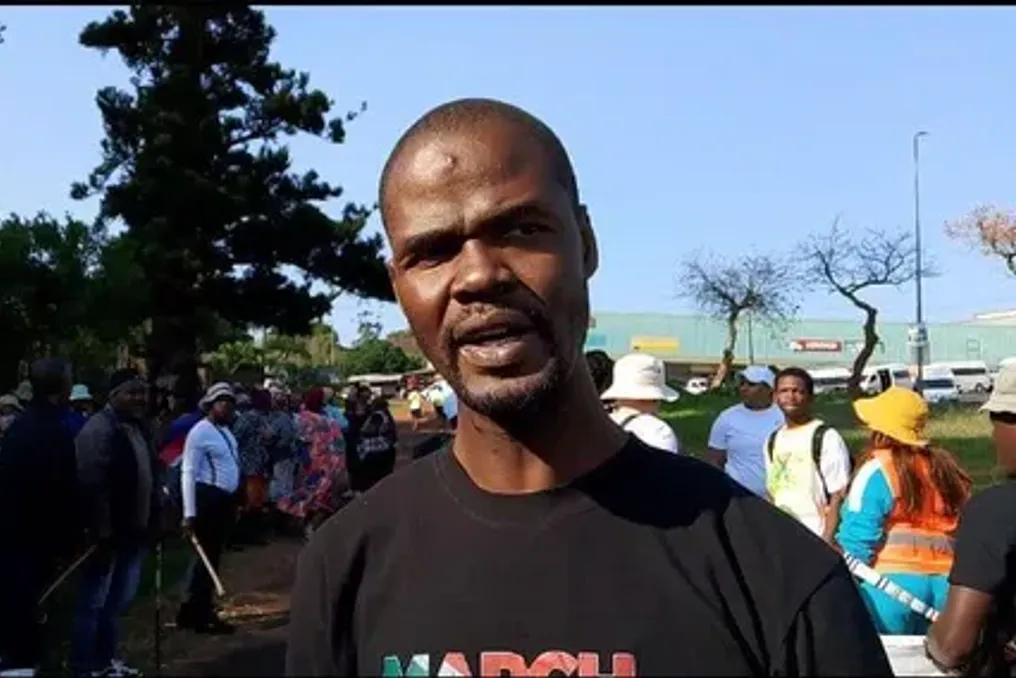
During a speech in uMthwalume, located on the southern coast of KwaZulu-Natal, where the movement held weekly anti-immigrant marches, Ngobese-Zuma emphasized that the purpose of these demonstrations is to maintain pressure on the government. She told the media that they are continuing to build momentum so that the government realizes that concerns about illegal immigration persist in various communities.
Local Residents' Concerns
According to Ngobese-Zuma, uMthwalume is one of the settlements where residents express concern over undocumented migration. She described it as a deep rural community where locals complain about territories being taken over by unfamiliar people who are rapidly multiplying. These people open small shops and do everything, and according to her, they receive police protection, which causes worry.
Accusations and Government Reaction
Criticism of the movement has intensified amid the marches targeting foreigners without documents. Anti-immigrant sentiment has taken on political significance, as some South African citizens claim that foreigners are taking jobs and burdening public services. Previously, immigration-related protests have sometimes become violent, and xenophobia remains a persistent problem in South Africa, occasionally leading to fatal attacks.
Despite the criticism, Ngobese-Zuma insisted that the movement is not xenophobic. Last week, the movement, together with more than 20 other civil society organizations, held demonstrations in all nine provinces, demanding that undocumented foreigners leave South Africa. During law enforcement operations conducted parallel to the protests, more than 900 people were arrested; the police stated that most of them were undocumented foreigners or individuals involved in robberies and other criminal activities.
President's Comments
Meanwhile, President Cyril Ramaphosa previously called the June 30 deadline set by anti-illegal immigration groups for undocumented foreigners to leave South Africa 'unnecessary'. The government distanced itself from this ultimatum, asserting that immigration control remains the state's responsibility. Ramaphosa stated that 'the so-called June 30, in my opinion, is not an event that is necessary at all, because we are solving the problems our people face' during Youth Day celebrations at Nasrec. He also urged citizens not to enforce the law by force, emphasizing that immigration control lies with state organs. The President has repeatedly rejected statements from some African countries claiming that South Africa is xenophobic.