Signs that the Need For Speed franchise has been set aside have become more evident, as Criterion studio, responsible for the racing games, confirmed its new direction.
Signs that the Need For Speed franchise has been set aside have become more evident, as Criterion studio, responsible for the racing games, confirmed its new direction.
During a 30th-anniversary celebration of Criterion studio, hosted by the portal IGN, Rebecka Coutaz, manager and vice president of Battlefield Studios Europe, stated that the current focus is not on discussing the past, specifically referring to Need For Speed and Burnout.
Starting in August 2025, Criterion studio will dedicate itself exclusively to the Battlefield shooting franchise. This change was formalized with the renaming of the studio to 'Criterion: a Battlefield Studio,' clearly signaling EA Games' priority.
The last title released in the Need For Speed series was Unbound, in December 2022. Criterion maintained periodic content updates until the end of support in August 2025. The abandonment of Need For Speed by EA Games occurred just one year after the celebration of the franchise's 30th anniversary, which featured 25 main games and various spin-offs.
Historically, Criterion studio is known for its destructive Burnout racing series. They collaborated with Need For Speed on titles such as Hot Pursuit (2010) and the remake of Most Wanted (2012), taking primary responsibility for the franchise in 2020.
In its new phase, the studio integrates into a group of four studios working on Battlefield 6. Currently, the only EA Games subsidiary still developing racing games is Codemasters, which is limited to F1, having been forced to abandon WRC and Dirt.
For fans of Need For Speed style racing games, expectations are placed on Cluth, which was recently introduced. Additionally, there is Forza Horizon 6, focused on open world.
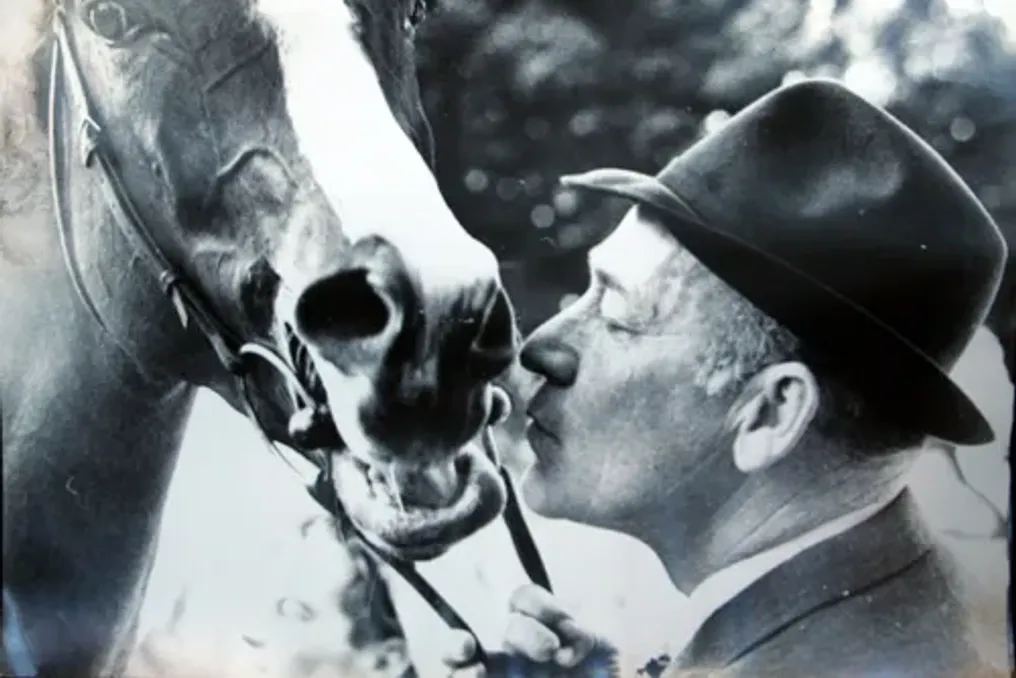
The story of the famous racehorse Sea Cottage and its trainer Sid Laird serves as a powerful reminder of resilience in the face of adversity. A photograph of this horse, which survived an injury, evoked strong emotions in thousands of betting enthusiasts in Durban.
Durban July is described less as a race and more as a national celebration filled with anticipation. Spectators analyze the horses' form, and some place bets based on personal superstitions. On race day, Greyville fills up with people in expensive attire, many of whom ultimately suffer financial losses.
The story focuses on the champion Sea Cottage. On June 10, 1966, several weeks before Durban July, he was shot. This was a planned act by bookmakers who could have incurred significant losses if the horse had won. The bullet hit the animal's hindquarters and remained inside, moving through the body until it was removed during a post-mortem examination years later.
Despite the injury, which could have forced any animal into retirement, Sea Cottage participated in the 1966 race. He finished fourth. Then, in 1967, he achieved a victory in the form of a draw with Jollify.
Beyond the horse's story, the narrative moves to a metaphor for South Africa itself. The country is compared to Sea Cottage: after the triumph of 1994, when it seemed the difficult period was over, new problems arose. These issues include corruption investigations such as Zondo and Madlanga, as well as rising crime and violence.
Like the horse, there are 'bullets' remaining in the country—the realization that freedom is not guaranteed, and trust in some people has been undermined. However, South Africans demonstrate an incredible capacity for recovery. They have overcome the legacy of apartheid, forced removals, water outages, and power supply interruptions while maintaining a zest for life.
The main lesson that Sea Cottage teaches is that one does not necessarily have to take first place immediately. Fourth place in the year of injury was an acknowledgment of his presence and struggle. The subsequent victory in the form of a draw symbolizes wisdom for a nation prone to internal disagreements. Victory is achieved together, when people of different beliefs share food.
In conclusion, it is emphasized that injuries and blows do not define a nation; what defines it is its refusal to stop. Sea Cottage simply kept running, and so too should the people of South Africa, despite the difficulties, to ultimately achieve success.