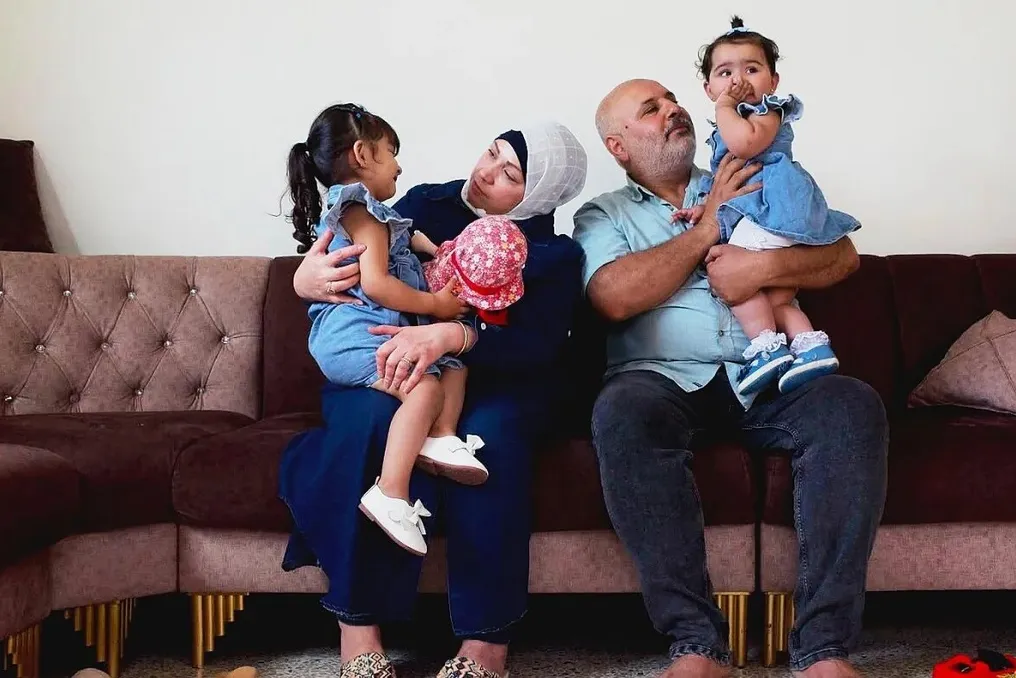
The son of Palestinian doctor Hussam Abu Safia told Middle East Eye that his family feels betrayed by human rights organizations and also holds the international community responsible for his father's deteriorating health in an Israeli prison.
Circumstances of Detention and Health Status
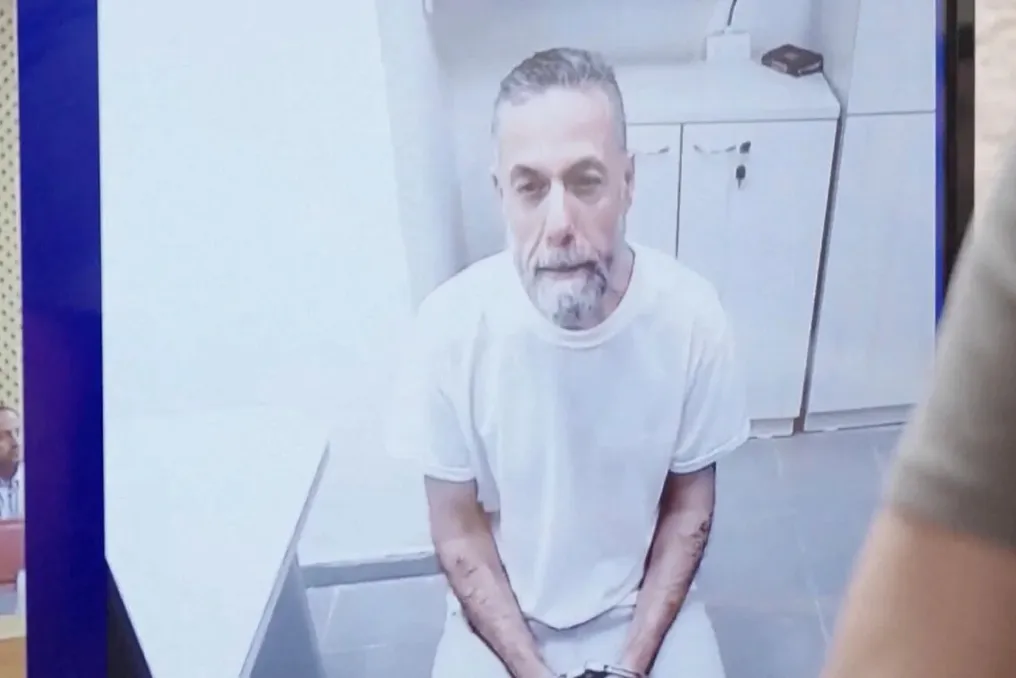
Dr. Abu Safia, a pediatrician who previously served as the medical director of Kamal Adwan Hospital in northern Gaza, was detained by Israel and has been held without charges since December 2024. Last week, the support group Physicians for Human Rights Israel (PHRI) warned of immediate danger to his life and demanded his immediate release.
Elias, Abu Safia's son, told MEE: 'Unfortunately, the time for appeals has passed—it is time for a last chance, a final call for everyone to intervene urgently and speak out about my father's situation.' He added that the world evidently does not consider them human or worthy of equal rights, noting that support for Israeli initiatives significantly outweighs support for Palestinian ones.
Incarceration Conditions and Torture
The family feels abandoned, claiming that Palestinians like his father are being left to die in Israeli prison cells. Dr. Abu Safia's lawyer, Nasser Odeh, visited him on July 2 in the underground detention facility of Raqefet Prison in northern Israel. Odeh reported that it was difficult to recognize Abu Safia due to new facial and head injuries, and noted his extreme weakness, labored breathing and speech, as well as psychological distress.
Elias described his state of shock and disbelief, recounting how he left home talking to himself, contemplating that his father was being tortured and repeatedly beaten. He expressed horror at the thought of the doctor being tortured, humiliated, and killed behind bars in isolation, crying out for help. The family, according to Elias, is forced to watch their father's death, powerless against complete oppression and injustice.
Reports indicate that Abu Safia told his lawyer: 'This is the last time you will see me... They brought me here to kill me. I don't see that I can survive. This is the end.' Previously, in June, he appeared in Supreme Court hearings where injuries to his arms and face were visible.
According to PHRI, before the hearing, four or five prison guards entered his cell and beat him with a hammer and metal batons, causing injuries to his entire body and head. A source close to the family believes that the symptoms Abu Safia exhibits as a result of these injuries may have caused a clot putting pressure on his brain. PHRI also added that after being transferred to the Raqefet facility, he was subjected to daily beatings, leading to several instances of loss of consciousness. For the past month, he has been held in solitary confinement and is constantly denied medical treatment.
Additional Health Issues
Furthermore, Abu Safia still has six shrapnel fragments in his leg from a drone strike in 2024 that targeted his family sleeping at Kamal Adwan Hospital—this wound continues to cause him bleeding and swelling. Since his arrest, Dr. Abu Safia has also developed heart enlargement due to high blood pressure.
Expert Assessment of Torture
Derek Summerfield, an honorary senior lecturer at King's College London who has researched and advocated for the psychological impact of imprisonment and torture of Palestinian detainees in Israel, noted that the treatment of Abu Safia is not unexpected. He stated that torture is a routine practice in Israel and has been used for decades as a weapon against Palestinians in interrogation rooms. Summerfield believes that the cruelty inflicted on Palestinian detainees has noticeably increased since 2023, as the state feels completely immune from accountability, and doctors are participating in this.
According to Healthcare Workers Watch, which monitors the treatment of Palestinian detainees in Israeli prisons, Dr. Abu Safia has been subjected to humiliation, starvation, and intense torture by Israeli soldiers. Summerfield believes that Israel would prefer Dr. Abu Safia to die rather than be released and tell his story to the world. He emphasized that 'Dr. Abu Safia represents a heroic resilience that Israel intends to suppress' and that the more pressure is applied, the higher the likelihood that he will not be allowed to die.
Calls to Action and Support
International organizations, including the UN, as well as PHRI, have called for the immediate release of detained Palestinian medical workers. PHRI has sent appeals to Israeli authorities demanding an independent medical examination of Abu Safia. The Israeli Supreme Court awaits the state's response to PHRI's petitions on July 7. Member of the Knesset, Ofer Cassif, also demanded the immediate release of Dr. Abu Safia last week.
Elias, who has a medical background, worked with his father at Kamal Adwan Hospital during the genocide. He told MEE that despite the bombings, his father remained dedicated to his patients until the hospital siege and its forced evacuation. He expressed pride in his father's courage, who remained unwavering while the local population starved and died, and did not betray the trust of the people. His brother Ebrahim, 20, was killed by Israel in October 2024, which Elias believes was deliberate revenge against his father. Abu Safia refused to leave the hospital when the Israeli military declared northern Gaza a combat zone and publicly spoke out about the hunger and injuries inflicted by Israel on children.
Human rights groups in the UK are holding protests to draw attention to Dr. Abu Safia's case. A coalition of medical groups plans a demonstration outside the Royal College of Paediatrics and Child Health in London on Friday, demanding protection for Dr. Abu Safia's interests. A petition will also be submitted to the college calling for the demand for Abu Safia's release and the condemnation of the targeted attack, detention, and killing of healthcare workers in Gaza. Rehana Alborz, co-chair of Child Health Advocates 4 Palestine, stated that Dr. Abu Safia's situation has become unbearable for any conscientious physician.
Amira Nimrav, co-founder and CEO of the Health Workers 4 Palestine campaign, noted that any institution with the authority to demand his release possesses facts. She stressed that silence in this situation is not neutrality but complicity in what will happen to him. Elias stated that he draws strength from his father's example, who continued to defend his people and carry out a humanitarian mission until his arrest. He called on influential figures to put pressure on the criminals, advocating for his father and all Palestinian prisoners.