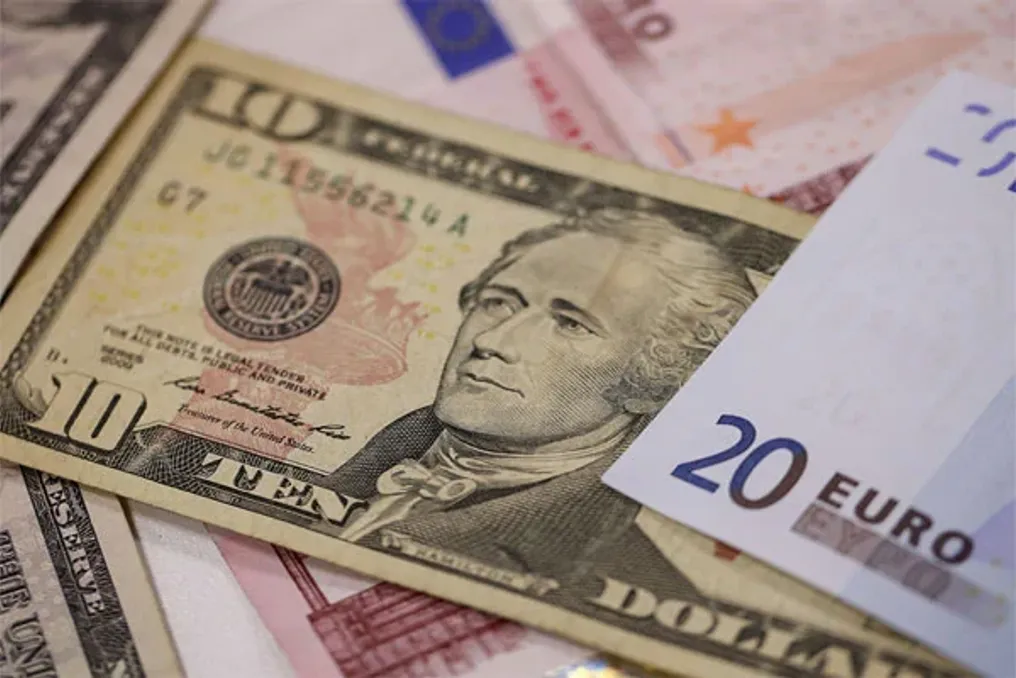
According to the Central Bank, Uzbekistan's nominal gross domestic product per capita amounted to $3,879 as of the end of 2025. This indicator showed an increase of $614 compared to the previous year.
According to the Central Bank, Uzbekistan's nominal gross domestic product per capita amounted to $3,879 as of the end of 2025. This indicator showed an increase of $614 compared to the previous year.
An analysis of the factors that influenced this indicator showed that the growth in nominal GDP added $659. Additionally, the strengthening of the sum against the US dollar contributed an extra $18. However, the increase in the permanent population reduced the per capita figure by $63, as economic growth was distributed among a larger number of residents.
A year earlier, the impact of the currency component was opposite. In 2024, the weakening of the exchange rate decreased the figure in dollar terms by $209, allowing GDP per capita to grow only from $2,953 to $3,265. In 2025, the strengthening of the sum by 6.9% had a positive effect for the first time in recent years.
The Central Bank noted that the increase in per capita income has become one of the factors contributing to the reduction of the population's debt burden. The average debt service-to-income ratio for bank borrowers decreased from 38% to 37% during the year, despite the rapid growth of the retail lending portfolio.
According to the National Committee of Statistics, the Consumer Price Index (CPI) in Uzbekistan increased by 0.6% in June 2026 compared to the previous month. Meanwhile, annual inflation accelerated to 6.4%, up from 5.5% in May. Prices rose by 3.3% since the beginning of the year.
The main stimulus for the acceleration of prices was the revised energy tariffs in June. The average cost of electricity for the population across the republic increased by 9.6%, and network gas became 10.7% more expensive. Additionally, the cost of coal, previously sold to the public at regulated prices, increased 2.1 times after coal was removed from the register of strategically socially significant goods in June, and state price regulation was lifted.
The rise in coal prices alone added 0.48 percentage points to the monthly index. Overall, the 'Housing services, water, electricity, gas, and other fuels' section grew by 7.8% for the month and 13.4% year-on-year.
There was also a noticeable increase in fuel prices. Average consumer prices for gasoline rose by 3.9% for the month, and the AI-95 grade increased by 6.0%. Propane became 11.3% more expensive, reaching the upper limit of 7800 soms per liter, while methane rose by 8.8%. Taxi costs increased by 1.3%, while railway transport decreased by 0.3%, and air transport decreased by 0.6%. Statisticians attributed the price decrease to changes in the national currency exchange rate against the euro and Swiss franc, as well as adjustments to fuel surcharges on certain routes. The combined contribution of the housing and communal services and transport sectors to the monthly index growth amounted to 1.13 percentage points.
Food products acted as a mitigating factor: prices in this category fell by 1.5% for the month, which reduced the overall indicator by 0.61 percentage points. Seasonal price drops affected fruits and vegetables: eggplant fell by 46.6%, fresh tomatoes by 38.3%, bell peppers by 31.4%, watermelon by 26.3%, and cucumbers by 25.0%. Conversely, carrots rose by 6.5%, and onions by 3.6%. Among staple foods, there was an increase in prices for rice and broken rice by 2.3%, pasteurized milk and buckwheat by 1.2%, as well as for boneless lamb and beef by 1.0%. Year-on-year, lamb increased by 23.1%, beef by 20.6%, and eggs by 16.2%.
Excluding fruits and vegetables, monthly inflation was 1.5%, and annual inflation was 6.9%. Non-food items rose by 2.3% for the month, and services by 1.8%, while food prices fell by 1.4%. At the regional level, no sharp deviations from the average national figure were recorded. The largest monthly price increase was noted in the Khorezm region at 1.0%, and the smallest in the Syrdarya region at 0.3%. Annual inflation in the regions ranged from 5.7% in Surkhandarya region to 6.8% in Samarkand region.
The Committee reminded that since January 2026, the index calculation is based on 517 positions of goods and services, using over 2 million price quotes. In addition to the main metric, an analytical index calculated using the geometric formula of Jevons, recommended by IMF experts, is published. In June, this auxiliary index stood at 100.2% for the month and 102.5% compared to December 2025.
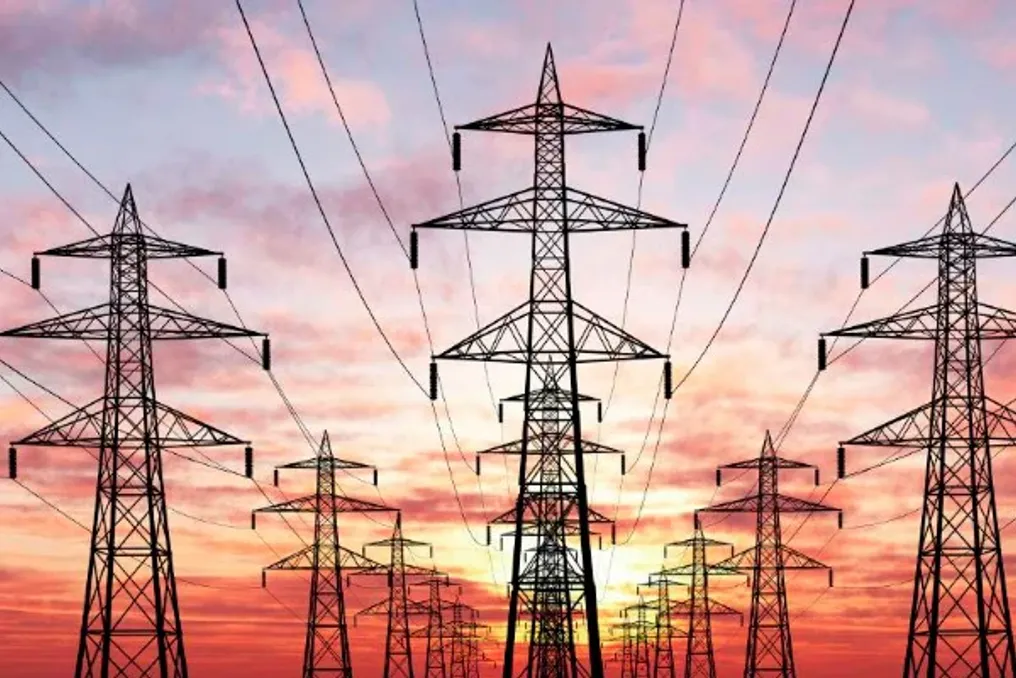
According to data from the National Committee of the Republic of Uzbekistan on Statistics, the total electricity generation in Uzbekistan for the period from January to May 2026 amounted to 36,167.3 million kWh. This figure exceeds the volume registered for the same period last year, which reached 35,064.2 million kWh.
However, changes occurred in the production structure. Generation by large enterprises decreased to 24,812.5 million kWh compared to 26,316.5 million kWh the previous year. At the same time, the volume of electricity produced by small enterprises increased to 11,354.8 million kWh, up from 8,747.7 million kWh, indicating the growing significance of small businesses in the country's energy sector.
Regarding thermal energy, production by large enterprises in January-May 2026 decreased to 8,429.8 thousand Gcal, whereas the figure was 10,211.4 thousand Gcal the previous year.