Some of the most impressive safari adventures in Africa remain relatively unknown. While iconic locations like the Serengeti and Okavango Delta continue to top travelers' wish lists, a new generation of safari destinations is quietly gaining attention. These protected landscapes offer exceptional opportunities for wildlife viewing away from crowds, and many of them are also examples of inspiring conservation success stories on the continent.
Below are seven safari spots worth exploring right now.
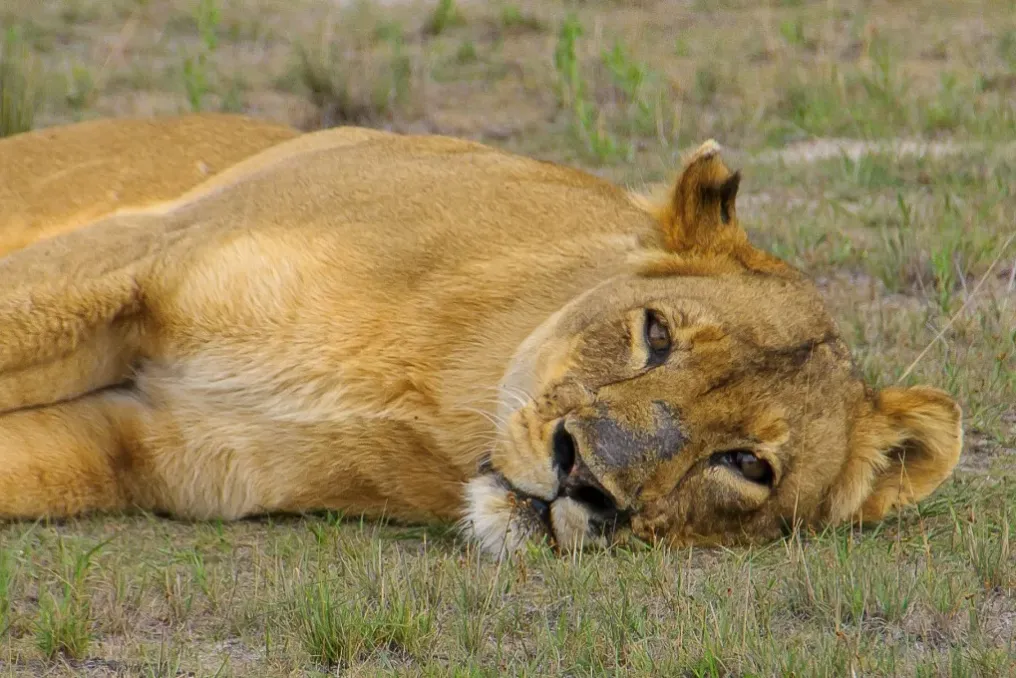
If you are interested in seeing one of Africa's last great wildlife spectacles, Luangwa National Park deserves attention. Located in western Zambia, this remote park is home to the second-largest wildebeest migration in Africa. Every year, tens of thousands of wildebeest cross the open plains, followed by cheetahs, spotted hyenas, and a growing population of park lions.
Unlike more famous migrations on the continent, visitors here can often enjoy sightings in complete solitude. Endless floodplains, dramatic storms, and breathtaking sunsets create an almost fairytale landscape for photographers. The park is also considered one of the best places in Africa to witness true wilderness, where the number of wild animals significantly exceeds the number of visitors. The best time to visit is from November to May during the wildebeest migration, although access depends on rainfall and seasonal flooding.
Most travelers associate Namibia with deserts, dunes, and rugged mountains. However, few know that the country also protects a lush wetland ecosystem that rivals some areas of the Okavango. Nxai Pan National Park, located within the Kavango-Zambezi Transfrontier Conservation Area, is Namibia's largest wetland reserve. Rivers, reed beds, and floodplains serve as habitat for elephants, buffaloes, hippos, crocodiles, and a stunning variety of birds.
Predators, including lions, leopards, and African wild dogs, also inhabit the park, though spotting them often requires patience. As tourism remains relatively low, safaris here feel exceptionally exclusive. Boat safaris offer an additional perspective, allowing visitors to explore channels dotted with water lilies and papyrus. The optimal time to visit is from July to October, when animals gather around permanent water sources.
For decades, Kafue has been overshadowed by South Luangwa National Park in Zambia, but it is finally receiving the recognition it deserves. As one of Africa's largest national parks, Kafue protects an astonishing diversity of habitats, including miombo woodlands, rivers, wetlands, and the famous Busanga plains.
The park is particularly known for predator sightings. Lions, leopards, cheetahs, and African wild dogs are found here, and the Busanga plains provide exceptional opportunities to observe hunting behavior across vast open spaces. Kafue is also home to over 500 bird species, making it one of the premier birdwatching destinations in Southern Africa. Due to its immense size, visitors rarely feel crowded, even during peak safari season. The best time to visit is from June to October, with August and September offering excellent conditions for wildlife viewing on the Busanga plains.
Gonarezhou National Park, meaning 'Place of Elephants', remains one of Zimbabwe's least-known safari gems. As part of the Great Limpopo Transfrontier Park, Gonarezhou links protected landscapes across Zimbabwe, Mozambique, and South Africa, allowing wildlife to move freely across international borders. The park is famous for its majestic red sandstone cliffs above the Runde River, one of the most spectacular safari landscapes in Southern Africa. Elephants are the main characters, but visitors can also encounter lions, African wild dogs, buffaloes, giraffes, and numerous antelope species. For those seeking a more adventurous safari with fewer vehicles and truly wild landscapes, Gonarezhou offers abundance.
The best time to travel is from May to October.
Majete Wildlife Reserve best demonstrates the power of conservation efforts. Just a few decades ago, much of the reserve was depleted of large mammals due to poaching. Thanks to an ambitious restoration program, Majete is now home to thriving populations of elephants, black rhinos, lions, leopards, and buffalo, making it one of the destinations for Big Five viewing in Malawi. Visitors can enjoy traditional game drives, walking safaris, and river excursions on the Shire River. The reserve remains pleasantly uncrowded, allowing for intimate encounters with wildlife while supporting long-term conservation efforts. The best time to visit is from May to October.
Mozambique is often associated with idyllic beaches, but its inland wildlife is undergoing an extraordinary transformation. Zinave National Park has become one of the leading examples of successful wildlife recovery in Africa. Large-scale animal movements have allowed for the reintroduction of thousands of animals, including elephants, buffaloes, giraffes, zebras, wildebeest, and predators. As ecosystems recover, visitors gain a rare opportunity to witness the national park's restoration almost in real-time. The result is a safari destination that feels refreshingly new, with excellent opportunities to support ecotourism while exploring a landscape few international visitors have seen. The best time to visit is from May to October.
For decades, Angola's national parks remained largely inaccessible due to conflict. Today, Luenge-Luyana National Park is becoming one of Africa's most promising frontiers for nature conservation. The park covers a vast area in southeastern Angola and is part of the Kavango-Zambezi Transfrontier Conservation Area, the world's largest terrestrial conservation landscape. Large herds of elephants are returning to the region, and lions, leopards, cheetahs, African wild dogs, and numerous antelope species are gradually reclaiming their historical ranges. Infrastructure is still developing, so safaris here appeal to adventurous travelers seeking authentic exploration rather than luxury lodges on every corner. As conservation investments continue, Luenge-Luyana could well become one of Africa's defining safari destinations in the coming decade. The best time to visit is from June to October.
One of the most significant trends shaping African tourism is the growing desire to look beyond well-known parks. Travelers are increasingly seeking places that offer an authentic wildlife experience while contributing to nature conservation and supporting local communities. These new safari destinations provide exactly that. Whether it is observing an obscure migration in Zambia, exploring hidden wetlands in Namibia, or discovering a restored landscape in Mozambique, each of these places offers a chance to experience Africa in a quieter and more meaningful way. While the continent's iconic safari destinations will always deserve their legendary status, for those ready to choose the less trodden path, the next great African safari adventure has arrived.
A significant part of learning happens through personal experience. Exploring ancient caves, discovering fossils, observing marine life, or spending a day on an active farm can spark curiosity in ways that books sometimes cannot.
More and more families are seeking travel experiences that are both engaging and enriching. South Africa offers numerous opportunities to achieve both goals. Across the country, children can learn through hands-on activities, interactive attractions, and unforgettable outdoor adventures, turning every trip into a chance to discover something new.
Long before lions and elephants roamed South Africa, this land was inhabited by dinosaurs. Visiting sites rich in fossils brings prehistoric history to life in a way no illustrated book can.
The West Coast Fossil Park, located just an hour's drive from Cape Town, allows families to find fossils dating back about five million years. Guided tours showcase the remains of extinct animals, including the famous short-necked giraffe, saber-toothed cats, and giant bears that once lived in the region. Interactive exhibits help younger visitors understand the process of fossil formation and what it tells us about life millions of years ago.
Further inland, the Golden Gate Highlands National Park is known for preserving some of the world's oldest known dinosaur embryos, while the surrounding sandstone cliffs tell an ancient geological story. Children interested in rocks, fossils, and dinosaurs will find plenty of material to fuel their imagination.
Entering a cave feels like stepping into another world. The Cango Caves near Oudtshoorn remain one of South Africa's most iconic natural attractions, featuring vast chambers filled with towering stalactites and stalagmites formed over millions of years.
A standard heritage tour suits most families, while older and bolder children can enjoy narrow passages on an adventure tour. In the Mpumalanga province, the Sudwala Caves offer another thrilling underground experience. They are considered among the oldest caves on Earth and introduce children to geology, subterranean ecosystems, and the slow natural processes that formed these remarkable structures.
Visiting caves naturally prompts children to ask questions about rocks, water, time, and how landscapes change over millions of years.
Marine life often looks much more exciting when children can see it up close. The Two Oceans Aquarium in Cape Town introduces visitors to the incredible biodiversity found where the Atlantic and Indian Oceans meet. Children can watch sharks glide overhead, observe playful penguins, admire colorful reef fish, and learn about ocean conservation through interactive displays and daily presentations.
On the east coast, the uShaka Sea World in Durban combines entertainment with education, offering animal encounters, nature conservation lectures, and exhibits explaining the importance of protecting marine ecosystems. For many children, personally observing these animals fosters a lifelong affinity for the ocean and its inhabitants.
South Africa is home to some of the world's most important archaeological discoveries, making it an incredible destination for curious young minds. In Maropeng, the official Cradle of Humankind visitor center, families go through interactive exhibits exploring the formation of the Earth, early life, and human evolution. These exhibitions are designed to make complex scientific concepts accessible to visitors of all ages.
Nearby, Sterkfontein Caves provide insight into one of the world's richest paleontological sites, where some of humanity's earliest ancestors were discovered. These places transform history from something children simply read about into something they can experience firsthand.
Gazing at the clear night sky has inspired generations of explorers, and South Africa offers some of the best conditions for stargazing in the world. The small town of Karoo Town in Sutherland is internationally recognized for its exceptionally dark skies and is home to the South African Large Telescope (SALT), the largest optical telescope in the Southern Hemisphere. Tours introduce visitors to astronomy, and evening stargazing sessions reveal planets, constellations, and distant galaxies.
Closer to Cape Town, the South African Astronomical Observatory regularly holds public open nights, allowing families to learn more about space through lectures and telescope viewing. For children with endless questions about planets and stars, these experiences can be unforgettable.
History becomes much more engaging when children see traditions in action. In cultural villages such as the Ndebele Cultural Village, families can learn about the traditional architecture, music, dances, and storytelling of the Ndebele people, studying customs that continue to shape South African culture today.
Meanwhile, the Kimberley Big Hole offers a fascinating look at the history of diamond mining in South Africa. Interactive displays, reconstructed buildings, and historical artifacts help children understand how the mining industry transformed the country's economy and communities. These experiences stimulate discussion about culture, heritage, and the people who helped shape South Africa.
Many children only know about their favorite foods from supermarket shelves. Visiting working farms helps bridge this gap. Boshendal in Cape Winelands welcomes families, offering gardens, fruit trees, farm animals, and seasonal activities that introduce children to sustainable farming methods. Young guests can walk along nature trails, interact with animals, and learn how fresh produce is grown.
Along the Garden Route, Farm Redberry combines outdoor fun with education. Children can pick strawberries in season, explore a giant hedge maze, and learn more about agriculture through practical experience. Visiting farms naturally cultivates responsibility, environmental awareness, and an understanding of where food comes from.
Science becomes much more interesting when children can conduct experiments themselves. The Sci-Bono Discovery Centre in Johannesburg is filled with interactive exhibits covering physics, engineering, robotics, and mathematics. Instead of just reading information boards, children are encouraged to touch, test, and explore.
In Cape Town, the Iziko South African Museum combines fascinating dinosaur skeletons, marine life exhibits, and natural history collections that appeal to children with diverse interests. Interactive museums promote problem-solving skills, making learning feel like play.
In conclusion, an educational trip does not have to follow a strict itinerary or resemble a school field trip. Often, the best learning happens in simple moments: noticing animal tracks on a hiking trail, identifying constellations on a clear winter night, or asking a guide one more question before leaving. By choosing destinations that encourage exploration and discovery, parents can organize a vacation that is entertaining, inspiring, and leaves children with memories, as well as lifelong curiosity and knowledge.
Although South Africa is often associated with sunny beaches and summer road trips, winter here is no less appealing. July offers exceptional opportunities for wildlife viewing, the return of southern whales, the first signs of wildflowers blooming, and cool days perfect for relaxing in mountain cottages by a fireplace.
Winter is considered one of the best periods for wildlife viewing across South Africa. As the grass dries up and trees shed their leaves, visibility significantly improves, making it easier to spot wild animals. Furthermore, natural water sources become scarcer, forcing animals to gather around rivers, dams, and watering holes, where sightings are often more frequent.
Morning safaris can be cold, but by midday, temperatures in many safari regions usually become mild and comfortable. Among the best destinations for safaris in July in the country are:
For wildlife photographers, the softer winter light and reduced haze make July one of the most productive months of the year for camera work.
July marks the beginning of whale season in South Africa, as southern whales migrate from Antarctic waters into the country's protected bays for mating and calving. One of the main advantages is that a boat trip is not required. Many of the best whale-watching spots are located on coastal trails, cliffs, and beaches.
Top whale-watching locations include:
Although the highest number of whales usually arrives in August and September, visitors in July often receive the reward of quieter viewing spots and the excitement of the season's start.
When people imagine the wildflower season in South Africa, August usually gets more attention. However, depending on winter rainfall, late July often brings the first colorful sights across the western part of the country. While the famous flower carpets are still forming, early visitors can enjoy quiet roads and the gradual transformation of the landscape.
Some of the best places to look for flowers include:
The wildflower display heavily depends on weather conditions and rainfall, so flexibility is crucial when planning a flower-focused trip.
Not every trip in July has to involve wildlife. Winter is also an ideal time to slow down, enjoy local wine, visit independent bookstores, or spend evenings by a crackling fire. Some of the most inviting winter destinations in South Africa include:
These places prove that winter travel is not about avoiding the cold, but embracing all that it brings.
Besides safaris and whales, July offers numerous seasonal events that make traveling at this time of year particularly valuable. Sometimes snow covers parts of the Drakensberg, Barkley East, Rhodes, and the Eastern Cape highlands, transforming familiar landscapes. Citrus growing regions come alive during harvest, and the clear winter sky creates ideal conditions for stargazing in remote areas like Karoo and Cederberg. Hikers also benefit from cooler daytime temperatures, especially on routes that can become uncomfortably hot in summer. Outside of school holidays, many destinations are noticeably quieter than during peak summer season, allowing travelers to enjoy popular attractions with fewer crowds.
A little preparation is very important when traveling in winter. You need to dress in layers, as temperatures can fluctuate greatly between early morning and the day. It is advisable to bring a warm jacket, gloves, and a hat for morning safaris. Binoculars will be useful for both whale watching and wildlife viewing. If you are traveling for wildflowers, you should monitor reports on seasonal rainfall before departure. It is recommended to book accommodation in advance in popular whale-watching and safari destinations, especially during school holidays. Also remember that winter days are shorter, so plan car journeys to maximize daylight hours.
South Africa does not slow down in winter—it simply changes its rhythm. July provides a unique experience that is hard to replicate at any other time of year. Lions remain near dwindling water sources, southern whales return to sheltered bays after months at sea, the first wildflowers begin to color the western landscape, and mountain towns invite travelers to settle by a fire after a day outdoors. For those willing to trade beach towels for jackets and embrace this season, July can be one of the best months to explore South Africa.
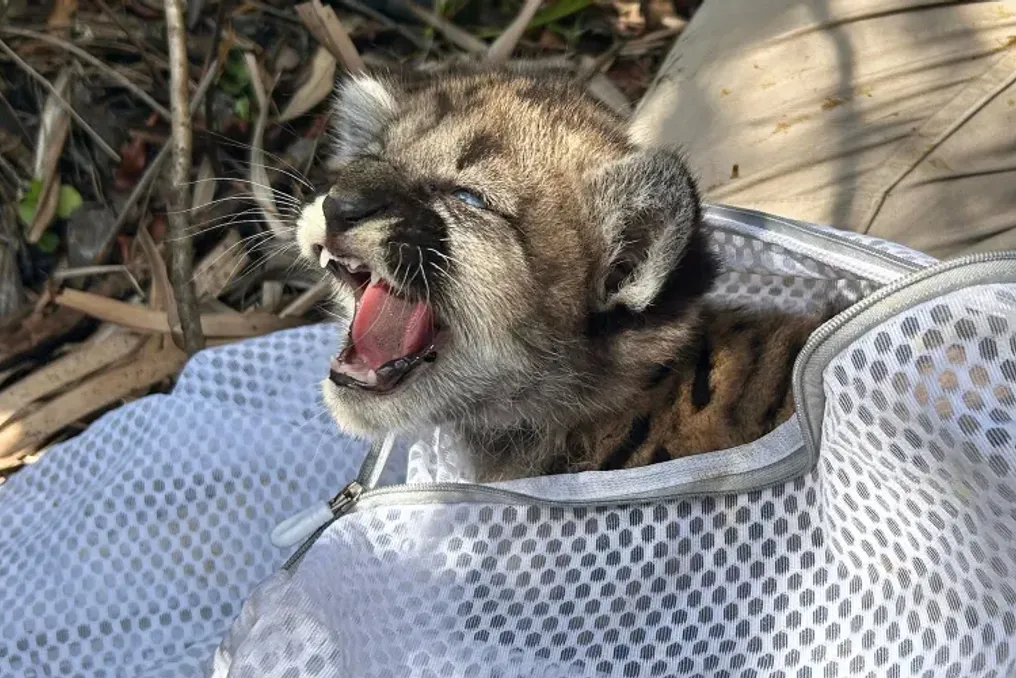
Over the past week, several encouraging pieces of news regarding species and ecosystems worldwide have been reported. In the United States, the U.S. Fish and Wildlife Service, in collaboration with biotechnology company Colossal Biosciences, established BioVault. This project aims to preserve the living cells, reproductive tissues, and DNA of all species protected by the Endangered Species Act. Furthermore, thousands of flamingo chicks successfully hatched in Turkey, indicating the success of wetland conservation efforts. In California, Orlan successfully returned to the wild after six months of recovery from severe injuries. In Cameroon, a monkey named Parry returned to its forest home after multiple operations that restored its broken leg.