Formula Africa has made a significant step forward in the development of African motorsport by appointing Xavier Pucholar as Senior Strategic Advisor for Motorsport. This move demonstrates a commitment to creating a comprehensive and sustainable motorsport ecosystem on the continent, moving beyond the simple goal of preparing racers and focusing instead on nurturing a new generation of engineers, technical specialists, and industry leaders.
F1 Experience
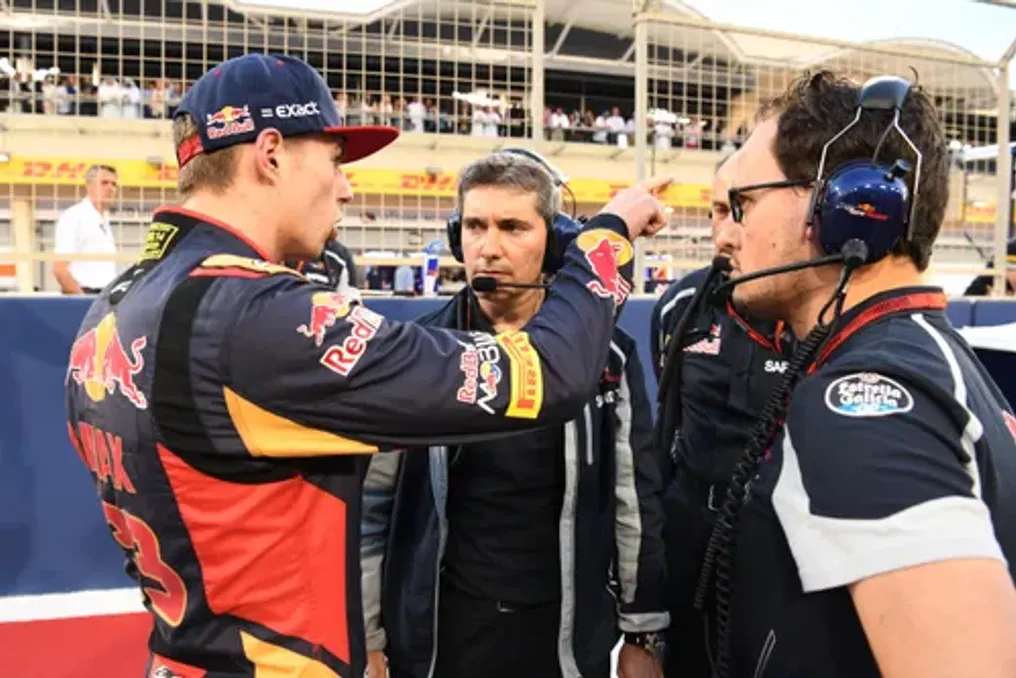
Pucholar possesses over 23 years of experience working in the Formula 1 paddock. He held senior technical positions in teams such as Jaguar Racing, Williams, Scuderia Toro Rosso, Sauber, and Alfa Romeo Racing. Throughout his career, he worked alongside world champions and race winners, including Fernando Alonso, Juan Pablo Montoya, Mark Webber, and Max Verstappen.
This appointment is one of the first major public events for Formula Africa—an organization created to leverage the potential of motorsport as a catalyst for education, innovation, and economic growth on the continent.
Vision Beyond Racers
In his new role, Pucholar will not focus exclusively on driver development. The organization's vision is broader: it aims to create a platform that connects motorsport with STEM education, engineering, technology, media, and culture. The goal is to shape a talent pipeline that extends from the cockpit to the design studio, engineering lab, and boardroom.
Pucholar noted that his decision to join the project was driven by a commitment to creating opportunities through education and technology, adding that talent exists everywhere, and the organization's task is to discover and cultivate it. He specifically expressed a personal desire to contribute to the development of the first female Formula 1 racer in Africa, calling this the highest priority.
Long-Term Commitments and Potential
Julia Green, founder of Formula Africa, emphasized that this appointment is not only about attracting world-class expertise but also about establishing a long-term commitment to creating opportunities for future generations across the continent. The organization is being built as a commercially viable structure, based on the belief that business success and social impact can mutually reinforce each other.
By forming strategic partnerships and attracting investment, Formula Africa intends to create value that extends far beyond the racetrack, inspiring and supporting future leaders in various fields. The organization's vision is rooted in a long-term view of the continent's potential. Given projections that by 2050 one in four people globally will be African, there is confidence in the significant opportunity for unlocking talent and creativity on the continent.
Formula Africa is conceived as an ecosystem of interconnected initiatives, each designed to scout talent, develop potential, and create sustainable pathways into the motorsport industry. A key part of the implementation strategy is a pan-African live event program scheduled for the fourth quarter of 2026. Subject to further planning and partnership development, this initial program is expected to expand to approximately six to eight African countries within the next 12–18 months, combining events with the gradual development of permanent infrastructure and educational programs.
The organization intends to build constructive relationships with recognized sporting institutions and governing bodies, adhering to internationally recognized principles of sports governance and sustainable development. The timing of this initiative is also defined by the broader context of motorsport on the continent. While a Formula 1 Grand Prix in Africa remains an ambition for many countries, with realistic timelines suggesting any country may require up to four years to build the necessary infrastructure, Formula Africa believes that fundamental work must begin immediately. The mission is to ensure that when global motorsport arrives or expands to the continent, a robust and sustainable talent pool is already established. The organization is actively engaging in discussions with partners across the continent to explore opportunities for developing infrastructure, educational centers, and talent academies that can create long-term economic and social value.