
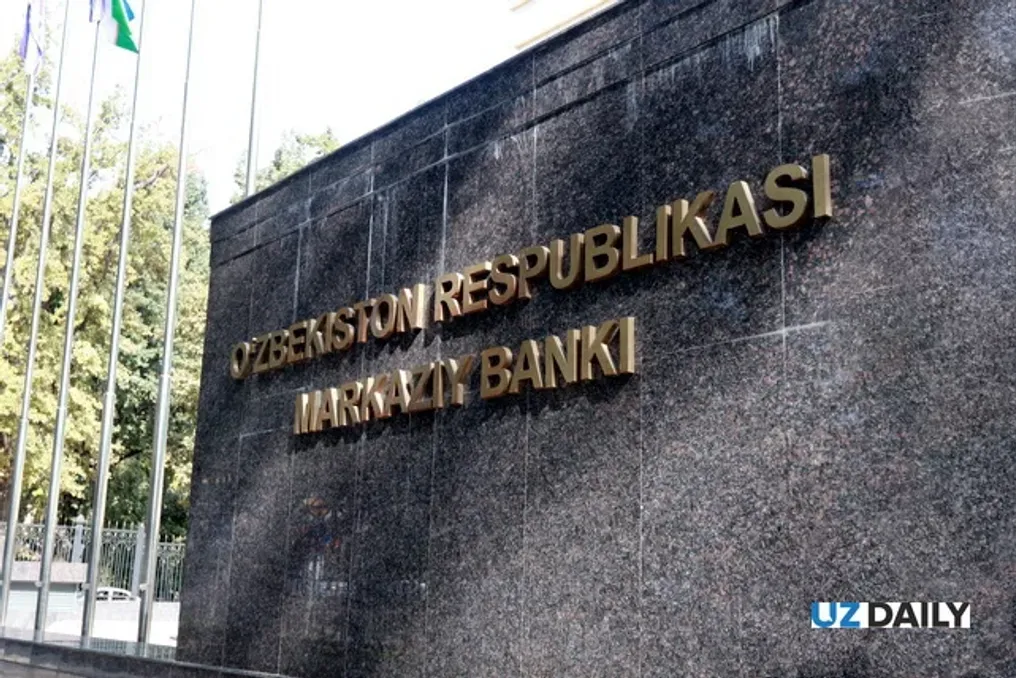
The Central Bank of Uzbekistan has included growing cyber risks in the list of major threats to the country's financial stability within its 2025 financial stability review.
Digitalization and Attack Risks
According to the regulator's assessment, the accelerated digitalization of payment systems is accompanied by an increase in cyber incidents. Attacks, information security breaches, and data theft lead to increased operational losses for participants in the financial system and can undermine public trust in this system. The Central Bank views the loss of this trust as a primary channel of risk to financial stability.
Market Participants' Views
Market participants share this concern. In a survey on systemic risks conducted among banks, cyberattacks were cited as one of the threats that could negatively affect the financial system of Uzbekistan. Other threats mentioned alongside cyberattacks include defaults by large borrowers, economic downturn, and climate risks.
Priority Threats
Nevertheless, geopolitical factors (56% of responses), growing household debt burden (32%), and exchange rate volatility (31%) remain at the top of the threat ranking.
Countermeasures
As a countermeasure, the Central Bank announced the implementation of an artificial intelligence-based monitoring system to track suspicious transactions and introduce restrictions on operations flagged as suspicious. The regulator expects participants in the financial system to continuously improve and maintain resilient information security systems.
Financial Literacy
A third aspect of the response measures focuses on increasing financial literacy. The Central Bank plans to intensify efforts to inform citizens about fraudulent schemes and cyberattacks, noting that a significant portion of citizen losses is related to social engineering methods rather than technical infrastructure failures.