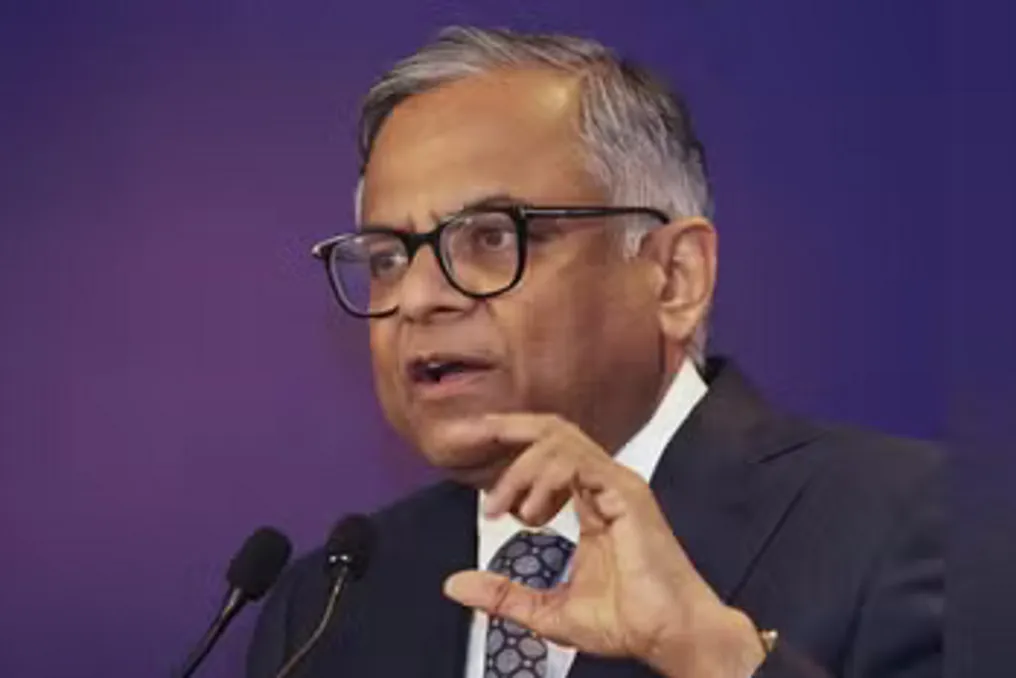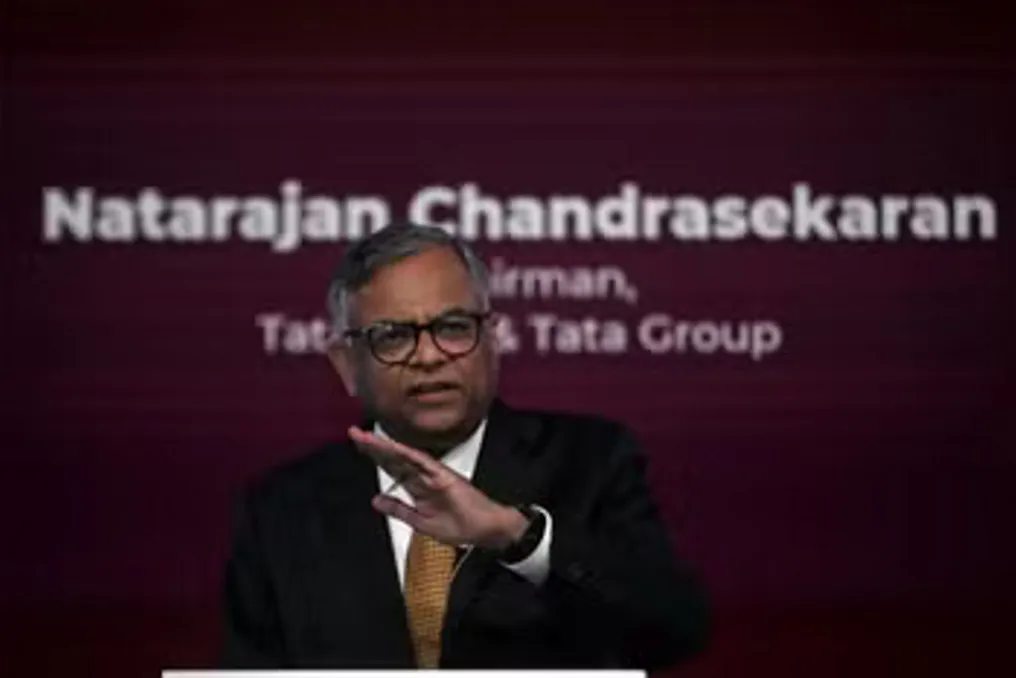
Tata Group Chairman Natarajan Chandrasekaran announced growth plans related to the separation of passenger and commercial vehicle operations of Tata Motors. The group aims to generate approximately $100 billion in revenue from the automotive sector by the end of March 2031.
Revenue Distribution and Investments
According to Chandrasekaran, Jaguar Land Rover is expected to contribute between $45 and $50 billion to the total revenue. The commercial vehicle division is targeting around $40 billion, while the remaining revenue will come from the automobile and auto component manufacturing business.
He also informed shareholders of Tata Motors Passenger Vehicles Ltd. about investment plans: the internal Tata Motors business intends to invest about 4 trillion rupees (equivalent to $41.9 billion), while the British luxury car division will spend about 20 billion euros (approximately $26.8 billion) over the next five years. These funds will be directed towards new product development, electric technology advancement, increasing production capacity, and technology implementation.
Passenger Segment Strategy
Regarding passenger transport, the company confirmed its goal—to increase its market share in India from the current 14.2% to 20% by March 2031. This growth will be supported by the launch of six new models and the update of over 20 existing products. Chandrasekaran noted that the recently revamped Sierra model has the potential to become one of the company's best-selling vehicles.
Tata Motors PV, a leader in the local electric vehicle market with a market share of nearly 45%, intends to maintain its dominance by expanding its range across various price categories. Furthermore, the battery manufacturer Tata, Agratas Ltd., will begin production in 2027, supplying components to both JLR and Tata Motors, aligning with the group's strategy for localizing battery production.