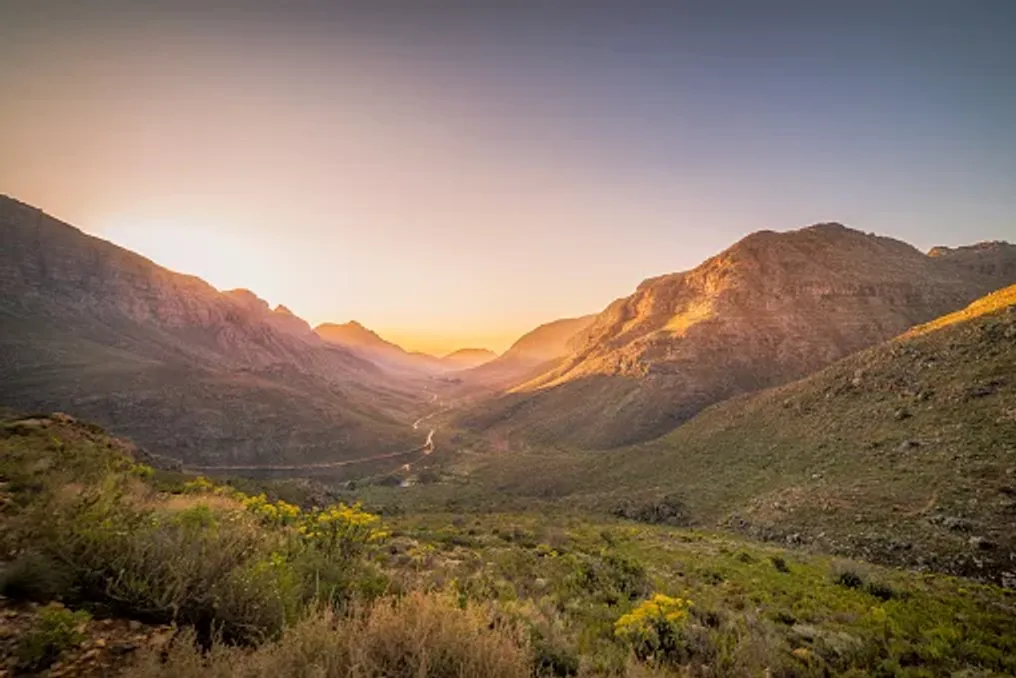
Winter transforms Cederberg. After the first rains, the rugged sandstone mountains take on richer hues, seasonal streams begin to flow, and fresh mornings replace the intense summer heat.
Winter transforms Cederberg. After the first rains, the rugged sandstone mountains take on richer hues, seasonal streams begin to flow, and fresh mornings replace the intense summer heat.
Located just two hours' drive from Cape Town, this picturesque corner of the Western Cape offers everything needed for an unforgettable winter getaway: from panoramic mountain drives and rewarding hikes to the ancient San rock art, aromatic rooibos farms, and starry skies.
Whether you are planning a short weekend trip or a leisurely three-day journey, winter is one of the best times to experience Cederberg at a more relaxed pace. Below are tips on how to make the most of this trip.
Most trips to Cederberg begin in the historic town of Clanwilliam, which serves as a tranquil gateway surrounded by mountains and rooibos plantations. It is worth spending a few hours here before venturing into the wilderness.
Rooibos is inextricably linked to this region, and not by chance. Cederberg is the only place in the world where rooibos grows naturally. Many local farms and tea shops offer tastings, allowing visitors to learn about the process of harvesting, fermenting, and brewing the leaves before enjoying a hot cup with a view of the surrounding landscape. It is also recommended to spend time walking through the historic streets of the town, visiting local craft shops, or having breakfast at one of the welcoming cafes before stocking up on snacks and fuel for the road ahead.
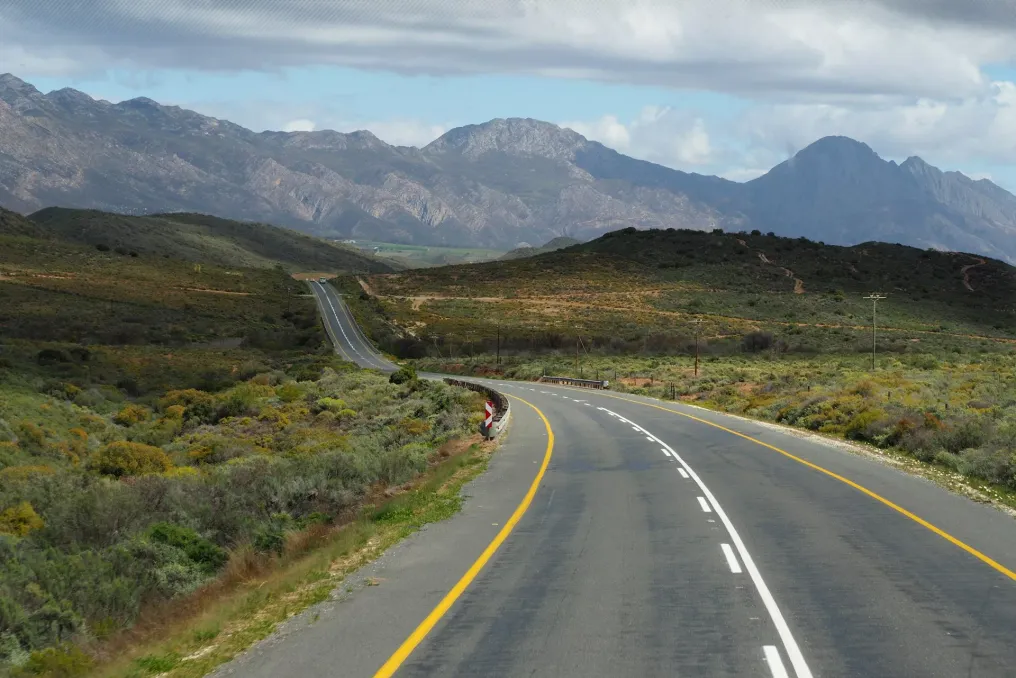
One of the main pleasures of a road trip through Cederberg is the drive itself through this landscape. High sandstone cliffs, unusual rock formations, and winding mountain roads make every kilometer memorable.
Winter adds another dimension. Recent rainfall leads to patches of green in the valleys; streams start flowing down the rocks, and the crisp air provides exceptional visibility for photographers. Plan extra time for frequent stops, as many viewpoints along the route offer breathtaking panoramas that look even more dramatic under winter clouds.
Cederberg is one of South Africa's premier hiking destinations, and the mild daytime temperatures in winter make long walks much more comfortable than during the scorching summer months. There are trails for every fitness level—from light nature strolls to multi-day adventures.
Among the region's most popular routes are: Wolfberg Arch, which leads to one of Cederberg's most iconic rock formations; Wolfberg Cracks, representing a more challenging passage through narrow sandstone passes; Maltese Cross, known for its striking natural rock pillar; Algeria Station trails, offering shorter walks through fynbos and mountain scenery; and Stadsvaal Caves, where amazing rock formations combine with ancient cultural heritage. When going hiking, be sure to bring enough water, wear sturdy hiking boots, and check the weather conditions.
Cederberg holds one of the richest collections of San rock art in South Africa. These remarkable drawings provide insight into the life, beliefs, and traditions of the region's first inhabitants.
The Seville Rock Art trail is one of the most accessible places to view these works of art, offering a relatively easy hike connecting several well-preserved sites. Stadsvaal Cave and Truitjieskraal are also popular stops for visitors interested in the area's cultural heritage. When visiting, remember that these paintings are extremely fragile. Never touch the rock surfaces and do not use flash if prohibited, to help preserve them for future generations.
After a day of exploration, little compares to returning to a warm cottage when the temperature drops outside. Cederberg offers accommodation options for every type of traveler: charming farm cottages, luxurious forest lodges, coastal cabins, and secluded self-catering retreats hidden among the mountains.
Many accommodations are equipped with wood-burning fireplaces, outdoor barbecue areas, and unobstructed mountain views, making them perfect for slow winter evenings with a good book or a glass of local wine. If you are traveling over the weekend or during school holidays, it is recommended to book accommodation in advance.
As daylight fades, Cederberg reveals another of its greatest attractions. Far from city lights, the region is renowned for its exceptionally dark sky, making stargazing the highlight of any trip. On clear winter nights, countless stars stretch across the sky, and the Milky Way is often visible to the naked eye. If you enjoy astrophotography, bring binoculars or a camera, or simply sit by the fire and enjoy the silence that makes this wilderness so special.
While hiking often takes center stage, there are many other ways to enjoy Cederberg. Make time for:
Although winter is one of the best times to visit, some preparation will ensure a smooth trip. Pack warm clothing for cool evenings, as well as waterproof layers in case of rain. Comfortable hiking boots are essential if you plan to hike, and offline maps are useful as mobile reception can be limited in remote areas. Fill up your tank before entering the mountains, especially if you plan to explore gravel roads, and check the road conditions after heavy rains.
Summer showcases Cederberg's dramatic landscapes, but winter reveals its quieter character. Lower temperatures encourage longer hikes, fresh rains revitalize the valleys, and cozy evenings prompt travelers to slow down and appreciate the region's natural beauty. From tasting freshly brewed rooibos by a crackling fire to watching one of South Africa's clearest night skies, Cederberg offers the perfect winter road trip that remains in memory long after returning home. If you are looking for a getaway that combines adventure, heritage, and tranquility, this gem of the Western Cape deserves a spot on your travel list.
The Garden Route has long established itself as one of the most iconic road trips in South Africa. This route stretches along the country's southern coast between Mossel Bay and Storms River, abundant with forests, beaches, mountain passes, charming towns, and numerous spots for a 'quick stop.'
This is what makes the trip unforgettable, but it can also catch travelers off guard. Most people remember the need to budget for accommodation and fuel, however, a successful journey requires much more than these two main expenses. Small purchases can quickly add up, especially if you are tempted by scenic detours, local markets, and adventure activities along the way.
Before loading up the car and activating the GPS, it is worth considering fifteen aspects that must be included in the budget for a Garden Route trip.
Fuel will likely be one of the largest expenses, but it is not the only factor. Longer distances, driving through mountain passes, traffic jams in busy towns, and frequent stops to see sights can increase fuel consumption. If you are traveling in a large SUV, towing a trailer or caravan, and carrying bicycles and camping gear, expect higher fuel consumption than during daily commutes.
Many tourists forget to account for toll roads when planning their vacation budget. While driving along the entire Garden Route on the N2 highway, you will pass through the Tsitsikamma toll gate near Storms River. Although this is a relatively small amount compared to the overall trip costs, it should be accounted for before departure.
Even if you stay in a luxury lodge, a self-catering cottage, or a campsite, additional costs often arise. These may include tourist fees, cleaning charges, firewood for barbecues, ice for refrigerators, laundry services (although people can simply pack dirty clothes in a separate bag, it is worth noting), and extra parking fees at some establishments. Reading information about what is included in the price before booking will help avoid unpleasant surprises upon check-in.
Some of the most impressive sights on the Garden Route are located in protected areas. If your plan includes places such as Tsitsikamma National Park, Wilderness National Park, Robberg Nature Reserve, or even an extension to Addo Elephant National Park, do not forget to budget for conservation fees. If you plan to visit several national parks in South Africa over the course of a year, the SANParks Wild Card may be a worthwhile option.
The Garden Route is the capital of adventure in South Africa, allowing you to easily fill your itinerary with unforgettable experiences. Depending on where you stop, you might be interested in: guided hikes in local forests, kayaking or paddleboarding, boat trips, whale watching (seasonal), bungee jumping, zip-lining, and wildlife encounters. Booking one or two activities is quite feasible, but several activities within a week can significantly increase the vacation budget.
One of the pleasures of a road trip along the Garden Route is stopping at roadside farm stalls. Fresh bread, homemade pies, local cheeses, preserves, biltong, and fresh produce are often too tempting to pass by. Even if you planned to stop only for coffee, it is surprisingly easy to leave with a basket of local treats. It is necessary to leave a small buffer in the budget for these spontaneous purchases, as supporting local businesses is part of the experience.
Road trips and good coffee go hand in hand. Whether it's a cappuccino in Wilderness, baked goods in Knysna, or a break at a rural cafe outside Plettenberg Bay, these small stops become memorable moments on the journey. Instead of viewing them as unforeseen expenses, they should be considered part of the travel experience itself.
Even travelers staying in self-catering cottages often eat out more than anticipated. You might plan to cook dinner every evening, but after a busy day of exploring, a seafood dish with an ocean view or dinner at a local restaurant can be hard to ignore. Including some flexibility in the food budget will make it easier to make such decisions.
Although many attractions offer free parking, some beaches, popular viewpoints, and private properties charge for parking. Having a bank card or cash can make these short stops more convenient.
The weather in the Garden Route can be unpredictable, even in summer. A rainy day might prompt choosing an indoor activity, visiting a museum or cafe instead of relaxing on the beach. Having a small reserve fund will allow you to adapt to changes without worrying about the budget.
Every town along the Garden Route has something unique to take home. Whether it is local ceramics, artwork, handmade crafts, or regional food products, these acquisitions often become valuable reminders of the trip. Instead of viewing them as impulse buys, you should budget for souvenirs from the start.
Some of the best experiences on the Garden Route are not marked on your itinerary. A hidden waterfall, a picturesque viewpoint, a quiet beach, or a local resident's recommendation can easily turn into an unplanned stop requiring an entrance fee or an extra meal. A little flexibility allows you to say yes to these moments.
Hopefully, this will never be needed, but it is wise to set aside a small contingency fund. It can cover: tire repair, windshield damage, medical supplies, extra fuel, vehicle towing assistance, or unexpected changes in accommodation. It is always better to have such a fund than to need it.
A forgotten phone charger, sunscreen, hat, or raincoat might seem minor, but replacing forgotten items while traveling quickly increases costs. Careful packing before departure can help minimize unnecessary expenses.
Perhaps the biggest mistake travelers make is planning every penny too rigidly. The Garden Route is made for slow travel. You will discover cafes you didn't know about, viewpoints you want to linger at, and local experiences that were never in your original plan. Allowing yourself some financial freedom enables you to embrace these unexpected moments without worrying about going over budget.
Planning for more than just fuel and accommodation does not necessarily make your vacation more expensive. On the contrary, it helps you travel with fewer surprises and greater freedom to enjoy one of South Africa's most rewarding road trips at your own pace.
Winter school holidays do not necessarily have to be spent indoors waiting for sunny weather, notes Miriam Kimvang. The Western Cape offers many exciting places where rainy weather can become part of the adventure rather than a reason to avoid it. If the forecast predicts cloudy weather, these destinations should be included in your holiday plan for rainy days.
Near Langebaan is one of South Africa's most amazing monuments to prehistoric times. The Western Coast Fossil Park houses fossils dating back about five million years, allowing visitors to imagine what this region looked like long before humans appeared.
Guided tours are conducted by families at the excavation site, where remains of ancient bears, saber-toothed cats, short-necked giraffes, and other extinct animals were discovered. Inside the visitor center, these finds come alive through interactive exhibits, demonstrations, and life-sized reconstructions that capture children's imaginations. Even if the rain makes outdoor walks less appealing, the museum itself offers hours of educational entertainment. It is a place where children barely notice they are learning, while adults remain equally fascinated.
If the rain subsides, the walking trails around the reserve provide another opportunity for a stroll before heading home.
Parents looking for an energetic indoor activity can head to Wonderdal, located at the Hazendal Wine Estate near Stellenbosch. This center, designed specifically for children aged five to thirteen, combines digital games, science, movement, and creative play into one immersive experience.
Children complete tasks, solve puzzles, interact with friendly digital characters, and explore themed activity zones under the supervision of trained game guides. Meanwhile, parents can enjoy restaurants, cafes, or wine tastings at the estate, knowing that the children are on their own adventure. Wonderdal skillfully blends education and entertainment, making it an ideal option for a rainy day when little travelers are full of energy.
Rain clouds may obscure the night sky, but inside the Iziko Planetarium and Digital Dome in Cape Town, the universe is always visible. South Africa's most modern digital planetarium offers captivating shows that transport visitors far beyond Earth. One moment you are flying through the Milky Way, and the next you are diving under the ocean or exploring distant planets.
The giant dome screen surrounds viewers with breathtaking views, turning every show into an adventure. Children interested in space, science, or dinosaurs will find age-appropriate presentations throughout the year, and adults are often just as captivated. Nearby museums and gardens also allow one visit to easily turn into a full day if the weather improves.
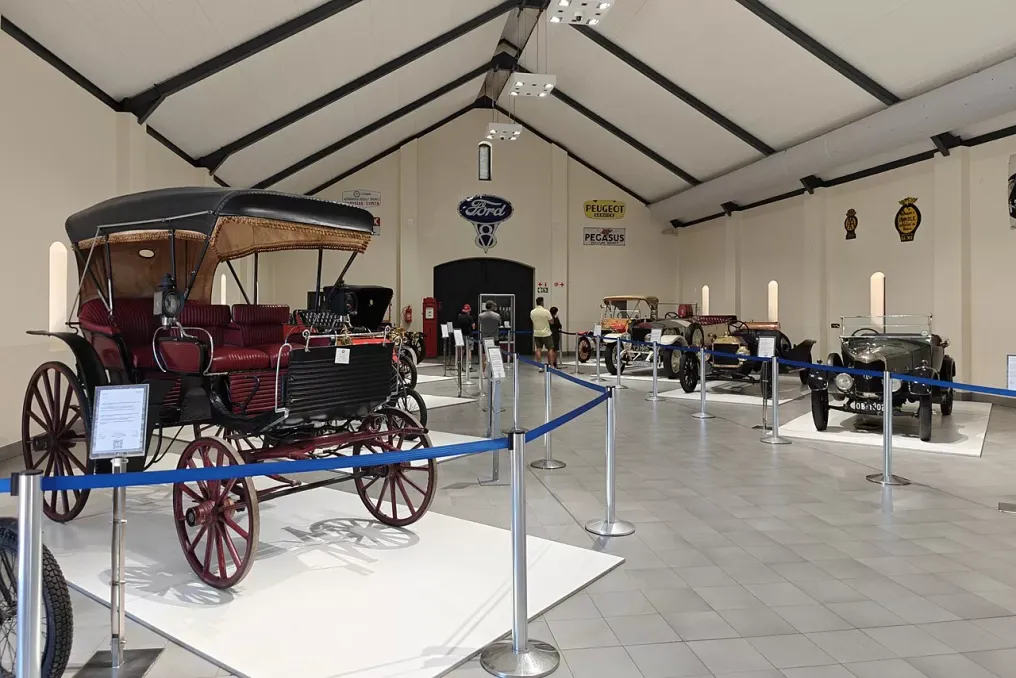
You can take a journey through the history of motoring at the Franschhoek Motor Museum. Classic cars can charm visitors of all ages, whether you are knowledgeable about vintage models or simply appreciate beautiful design. Located on the picturesque L’Ormarins Estate, the Franschhoek Motor Museum houses an impressive collection of over 80 vehicles spanning more than a century of automotive history.
From elegant vintage classics and racing legends to luxury cars and iconic everyday vehicles—each exhibit tells a story of innovation and changing lifestyles. Spacious indoor galleries make this a wonderful place to visit on a rainy day, allowing visitors to browse the exhibits at their own pace, studying the evolution of transport. Parents often reminisce about cars from their childhood, while younger visitors marvel at how much vehicles have changed over time.
Sometimes the simplest activities bring the greatest joy. At Scratch Patch in Simons Town, children and adults can fill containers with polished semi-precious stones from huge mounds of colorful crystals. Quartz, jasper, tiger's eye, rose quartz, and amethyst sparkle under the light, turning gem hunting into an exciting treasure hunt.
Inside, there is also a fascinating mineral exhibition where visitors can learn more about South Africa's geological wealth and how these beautiful stones are formed. Many families spend much longer here than planned while everyone searches for their favorite colors and shapes. The best part is that every visitor leaves with a unique collection to remember the day.
Thus, instead of canceling holiday plans when the rain starts, it is worth grabbing a warm jacket, accepting the season, and discovering another side of the Western Cape that is just as captivating under a cloudy sky.