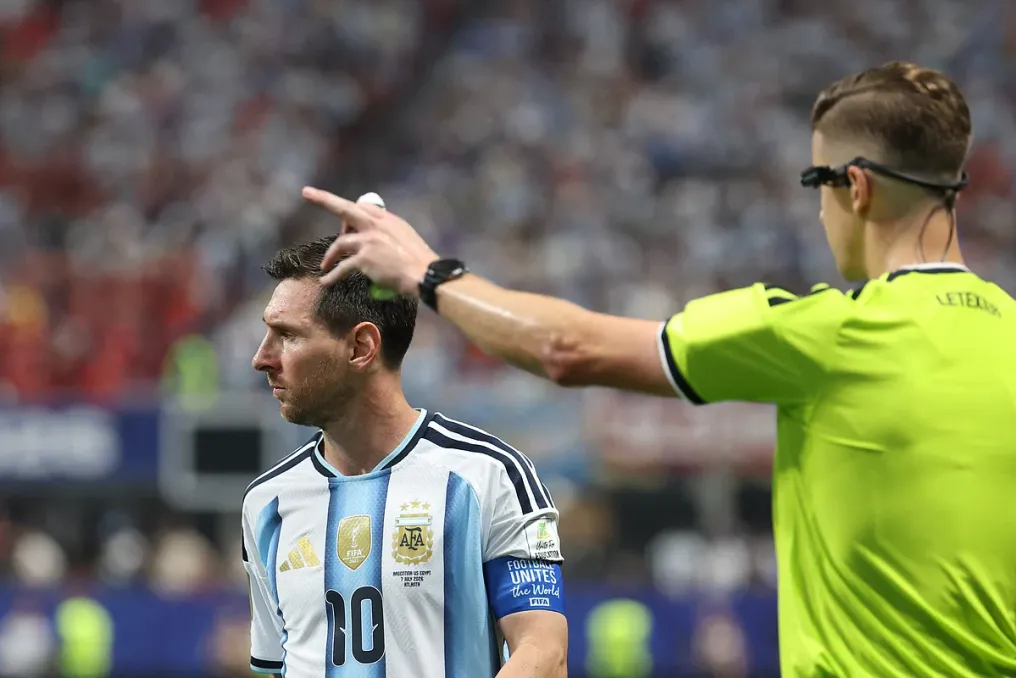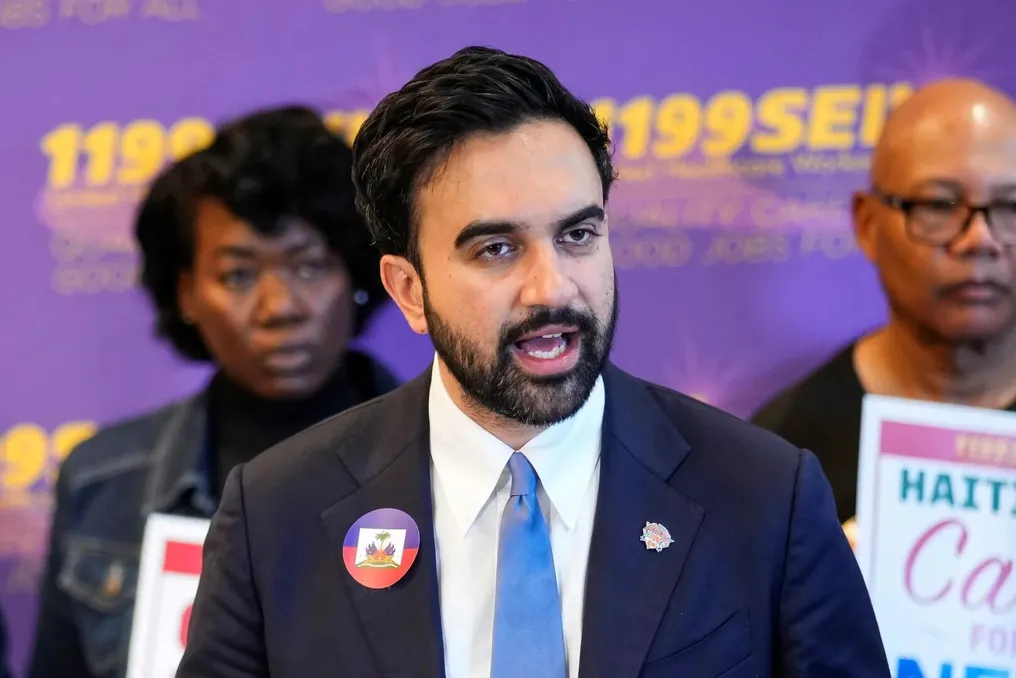
Following the disappointment of Egyptian fans and football neutral observers worldwide, confirmation of their feelings came from an unexpected source—the New York Department of Transportation press conference. Mayor Zohran Mamdani deviated from his usual political script and stated that Egypt was robbed in the painful 3-2 defeat against Argentina at the World Cup.
World Cup Match Progression
For approximately seventy minutes, collective disbelief reigned in Cairo, Alexandria cafes, and Queens in New York, as Egyptian players led world champions Argentina 2-0 in the Round of 16 of the 2026 World Cup. However, the situation changed after controversial decisions: a disallowed goal, an unreviewed penalty application, and a series of quick goals by Argentina late in the match led to the painful 3-2 loss at Atlanta Stadium.
Concurrently, the Egyptian Football Association (EFA) filed an official complaint with FIFA.
Key Moments of the Game
To understand why Mamdani's words resonated so deeply, one must examine what happened when Egypt entered the playoffs as a clear underdog against the defending champions Argentina, managed by Lionel Messi. Goals from Yasser Ibrahim and a brilliant strike from Mostafa Zico brought Egypt close to potentially the greatest sensational success in modern football history, securing a comfortable 2-0 lead until the 70th minute.
The turning point was not sporting errors, but a series of questionable technical decisions. Zico seemed to increase the lead, but the video assistant referee (VAR) controversially disallowed this goal, citing a minor infringement that occurred almost half a minute earlier. Shortly after, an obvious penalty for Egypt was rejected without further review. The momentum was shattered by goals from Cristian Romero and Messi, and Enzo Fernandez scored the winning goal in stoppage time in the 92nd minute.
Reaction and Support
The consequences were immediate. Egypt's coach Hossam Hassan openly criticized the officiating of French referee François Létesse. Furthermore, the Egyptian Football Association (EFA) officially accused the FIFA refereeing panel of systemic misuse of VAR during the match.
Although Mamdani does not have diplomatic authority in Cairo nor holds a formal position at FIFA, his casual approach became a profound acknowledgment for millions of African and Arab football fans experiencing Egypt's defeat. He recognized that for immigrant communities, football is not just entertainment, but a foundation of identity, a rare arena where the Global South demands absolute equality of treatment.
Mamdani localized global pain by presenting the World Cup match as a topic for everyday conversation. He spoke not as a detached administrator, but as a person who understands that when a referee's whistle seems unfair, the resentment lingers in the workplace, on transport lines, and in local shops long after the stadium lights go out.
The Link Between Sport and Infrastructure
Moving from local infrastructure to global football poetry, Mamdani explained how optimized bus lanes will return valuable hours of life to ordinary New York commuters. He told the press that 'in a year you will save more than two days of travel time.' He added that this means having time to have breakfast with family, to argue about the ball and strikes during a child's game in Ligla, or to get home before bedtime. And finally, it means agreeing with friends that Egypt was robbed yesterday. Above all, it means giving back time to New Yorkers who barely have enough.