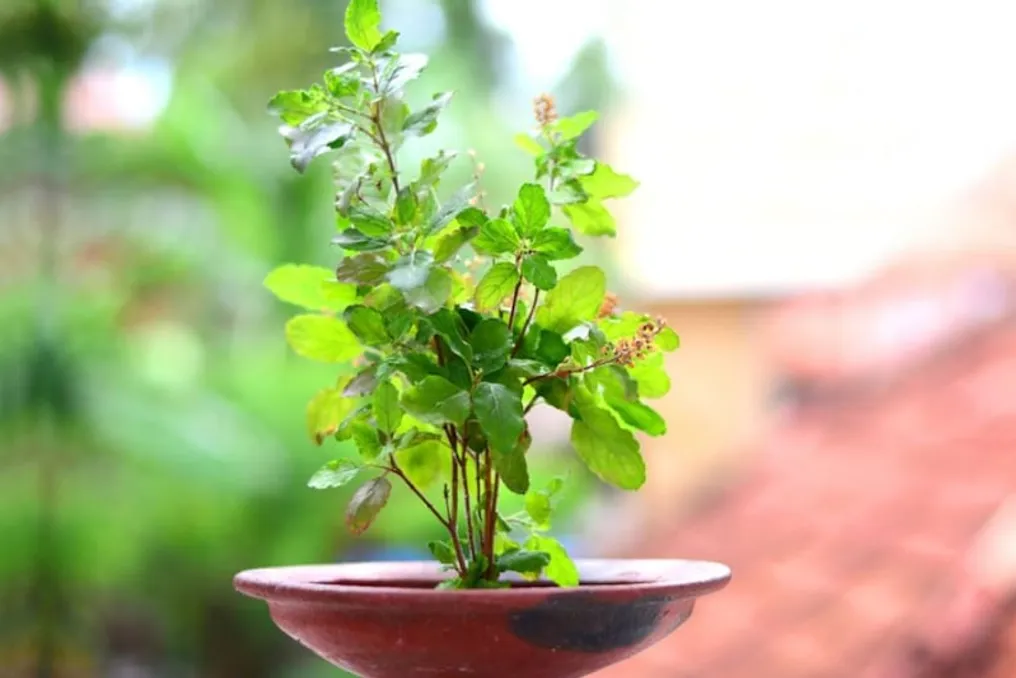
The Tulsi plant is considered not only sacred from a religious perspective but also holds special significance in Vastu Shastra and Ayurveda. Having Tulsi in the yard or on the balcony of a home symbolizes positive energy and well-being. However, besides planting it, it is crucial to care for the plant correctly and choose a suitable location for it.
Common Mistakes When Keeping Tulsi
Due to lack of information, people often make mistakes that can lead to financial difficulties and mental distress instead of the expected benefits. There are three main mistakes to avoid when placing Tulsi in a house.
Incorrect Placement and Cleanliness
According to Vastu Shastra, the ideal directions for planting Tulsi are North or North-East, also known as Ishan Kon. Placing the plant in the South direction can cause a Vastu defect, as the South direction is associated with Yama and ancestors, which can amplify negativity in the home and negatively affect the health of family members.
Attention must also be paid to the cleanliness around the plant. Since Tulsi is revered as an embodiment of Goddess Lakshmi, keeping dirt near it is considered a great insult. People often leave brooms, trash cans, shoes, or garbage near the Tulsi pot. Such behavior attracts poverty into the home. It is necessary to ensure that the area around the pot is always clean and free of any heavy or unnecessary items.
Plant Care and Additional Tips
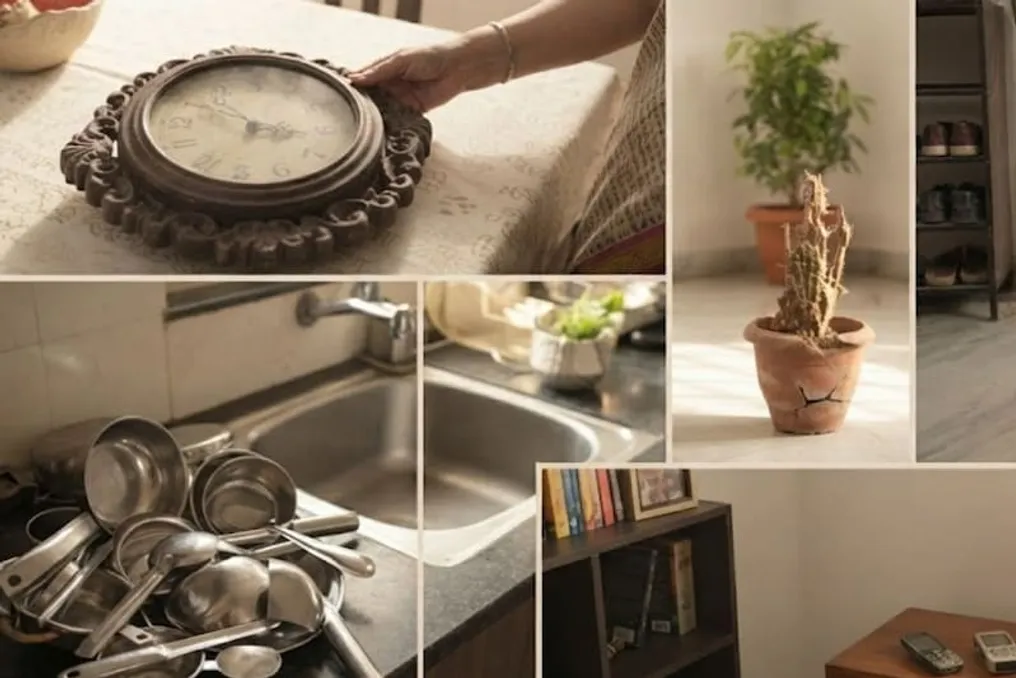
According to Vastu, having a dried or withered Tulsi in the house is a very inauspicious sign, as it hinders the progress of the home. If the plant dies, it should be immediately removed and taken to a sacred river, after which a new, healthy plant should be planted right away.
There are also additional recommendations: Tulsi should not be watered or have its leaves plucked on Sunday. Furthermore, touching or plucking its leaves after sunset is forbidden. It is important to maintain cleanliness near the Tulsi; regularly burning ghee oil near the plant in the evening is considered the most effective way to attract wealth and peace into the home.
Location Selection Recommendations
Tulsi is considered a source of energy, so its placement in the correct spot is essential. The North-East (Ishan Kon) is considered the most auspicious, as a deity resides there, bringing happiness, peace, and prosperity into the home. If the North-East is unavailable, Tulsi can be placed in the North, which is associated with the planet Buddha, favorable for development and career. The East direction, associated with the Sun, is also suitable as it improves the health of family members and increases their respect.
Directions to Avoid
Placing the plant in the wrong spot not only leads to its wilting but can also spread negative energy. The South direction in Vastu is considered the 'Yama' direction, and Tulsi should never be there, as this increases the risk of premature death, conflicts, and financial losses. The South-East direction, being the fire element direction, can raise concerns about fires or accidents. The West direction is also not recommended for Tulsi and should only be used as a last resort, otherwise, it will lead to a decrease in favorable outcomes.