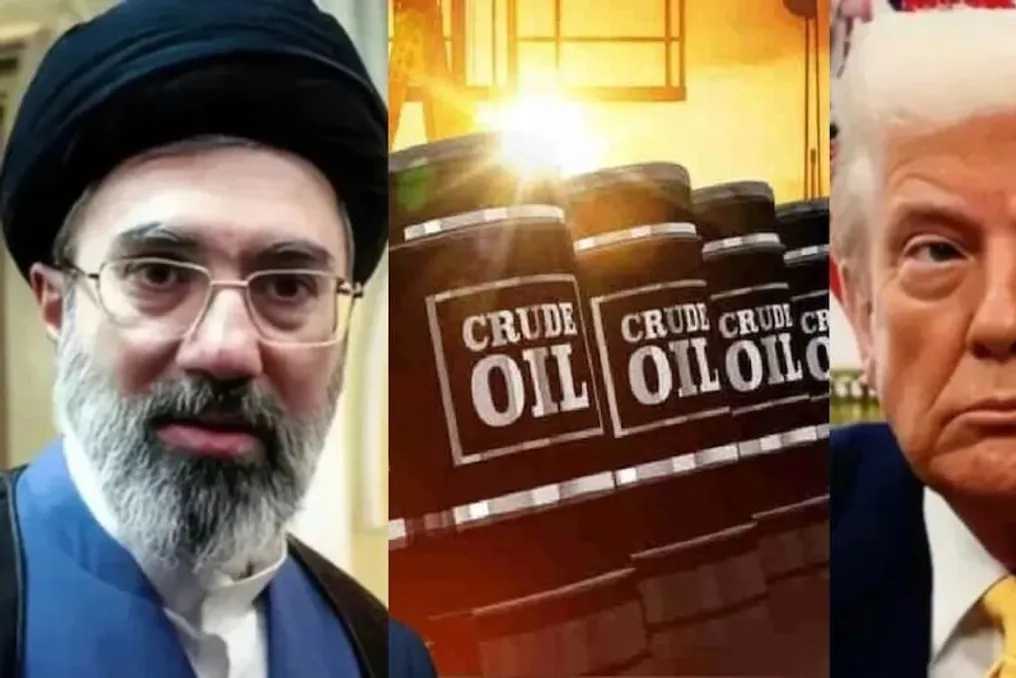
After the parties agreed to peace talks in early June, which allowed for the lifting of a two-month US blockade in the Strait of Hormuz and the resumption of tanker traffic, the situation in the Middle East has once again escalated.
Escalation of Conflict Between the US and Iran
Despite initial hopes for stabilization, tensions have resurfaced. Before the start of the next round of peace agreement negotiations, reports emerged early this week of Iranian ship attacks in Hormuz, to which the US responded with its own strikes. At that moment, US President Donald Trump made a statement announcing the termination of the deal.
Following Trump's statement, a new wave of military operations against Iranian targets began, leading to a sharp rise in global tension. The conflict once again triggered an increase in crude oil prices, which, trading around $70, suddenly approached the $80 per barrel mark.
Details of Military Actions
Following a series of Iranian missile attacks on three vessels in the Strait of Hormuz, the US took retaliatory measures. After Trump's announcement, the deal between the US and Iran was annulled, and the US began intensive strikes on Iranian cities. The Iranian news agency Mehr confirmed explosions in Bandar Abbas. Furthermore, the IRNA agency reported power outages in some areas of Chabahar following recent attacks, as well as the destruction of a railway bridge in Akkala.
Impact on Global Oil Prices
US attacks on 90 targets in Iranian territory once again caused a jump in crude oil prices and intensified the threat of the closure of the Strait of Hormuz. It is worth noting that in April, when the conflict peaked, Brent Crude prices approached $120. This affected countries such as Pakistan, Bangladesh, the UK, and India, leading to increases in gasoline, diesel, and liquefied petroleum gas (LPG) prices.
Previously, thanks to progress in resolving relations between the US and Iran, prices had dropped to $71. However, now there is renewed concern that if Iran closes the Strait of Hormuz, the crisis in the oil and gas sector could deepen, leading to a sharp rise in inflation.
Projections for Crude Oil Price Growth
Since the cessation of the ceasefire regime between the US and Iran raises the probability of renewed hostilities, there is a risk of further increases in crude oil prices. Experts point out that if price growth continues and an obstacle arises in Hormuz, prices could reach levels predicted during wartime.
According to a Reuters report from April 2026, based on HighTong Futures Note data, if negotiations between the US and Iran fail and the conflict drags on, Brent prices could rise to $150 per barrel. NuVama Institutional Equities also predicted that a prolonged closure of Hormuz could keep crude oil prices in the range of $110 to $150.
Link Between Oil Prices and Economy
The high cost of crude oil entails a number of negative consequences observed in many countries worldwide. For example, experts believe that even an increase in the international price of crude oil by just $1 per barrel can lead to a rise in gasoline and diesel prices in India by 50-60 points per liter. Rising oil prices increase import costs and require more dollars for purchases, leading to higher prices for imported goods and increased inflation in the country. Since India is heavily dependent on crude oil imports, rising fuel costs become a serious problem for it and other oil-importing nations.
