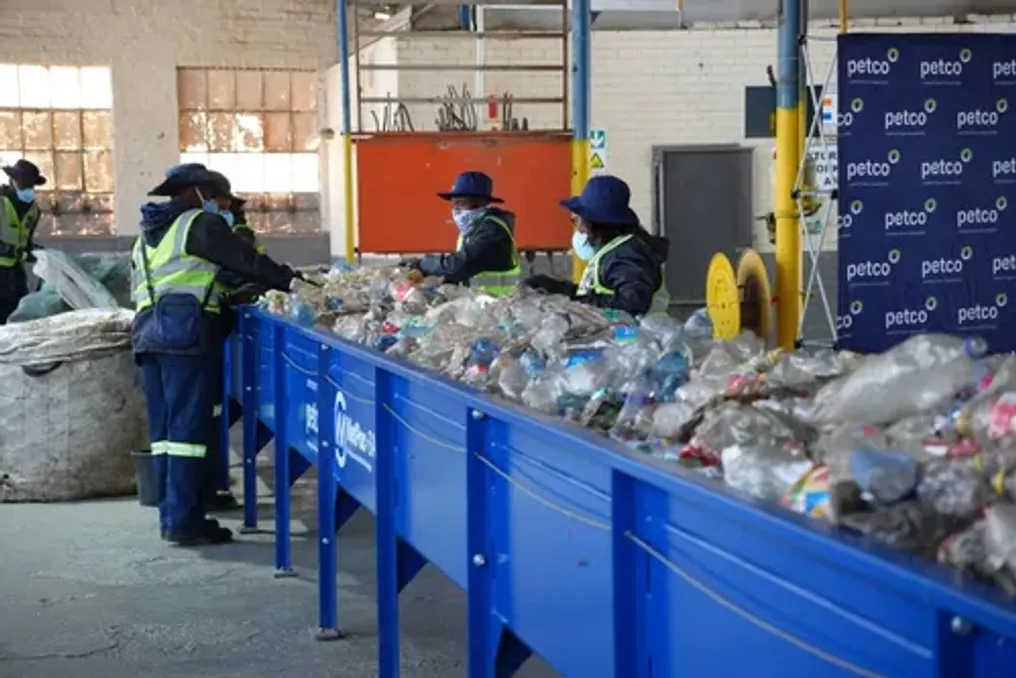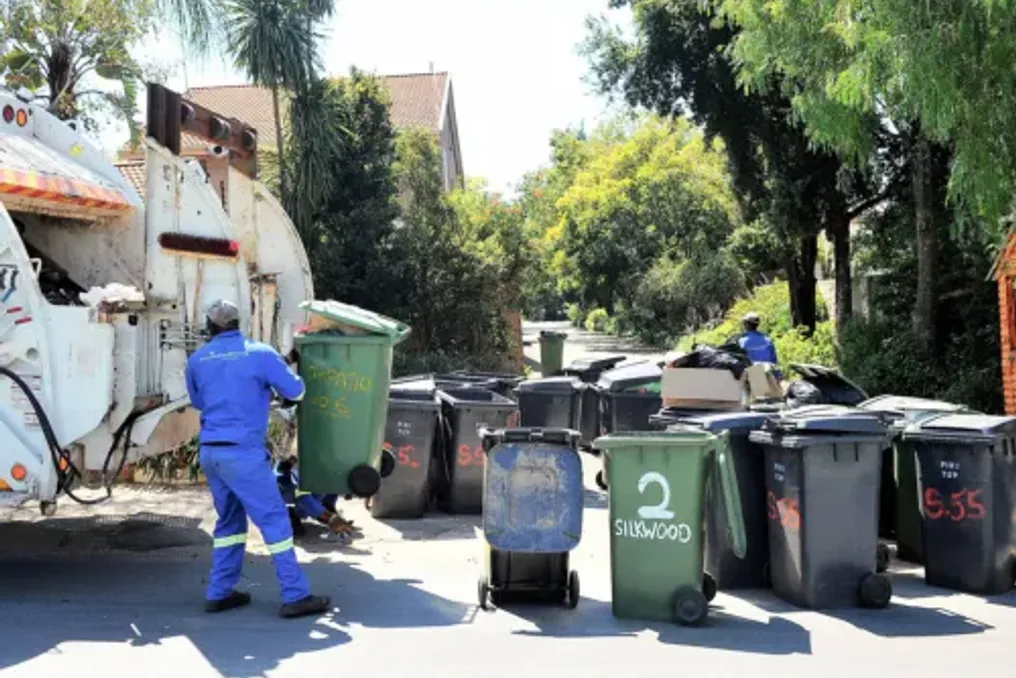
The Johannesburg waste management authority, Pikitup, is experiencing a serious crisis due to a limited fleet of garbage trucks and outdated infrastructure, leading to the accumulation of waste in the city.
Fleet and Maintenance Issues
Currently, only one-third of Pikitup's garbage trucks are operational; out of a total of 223 units, only 82 are in working condition. The remaining 141 are either broken down or scrapped. Last month, Pikitup reported that the cause of waste collection problems in some areas of Johannesburg is the aging of the garbage trucks and payment delays to service providers.
CFO Litshani Macila noted that both the organization itself and the city have long failed to update their fleet, resulting in most trucks becoming obsolete and ineffective. He emphasized that because of this, they rely almost entirely (about 100%) on third-party contractors.
Health Risks and Landfill Overcrowding
The accumulation of garbage raises public health concerns. Only two landfill sites in the city are fully operational. In March 2026, the documentary AfriForum titled 'Gauteng Landfill Firebomb' was screened in Pretoria, highlighting the growing crisis of landfill capacity in Gauteng.
AfriForum stated that 'Gauteng Landfill Firebomb' investigates the rapidly diminishing capacity of 13 active municipal landfills across three Gauteng metropolitan areas, which serve approximately 13 million residents. At current disposal rates, it is projected that the landfills in the Johannesburg, Tshwane, and Ekurhuleni metropolitan areas will reach capacity in approximately 16, 78, and 60 months, respectively.
Infrastructure Modernization Progress
Despite the difficulties, the city announced in June progress on the Linbro Park landfill modernization project, overseen by the Johannesburg Development Agency (JDA) on behalf of Pikitup Johannesburg (SOC) Ltd. The City of Johannesburg described Phase One of the project as '78% complete, including the construction of sorting facilities, stormwater drainage infrastructure, electrical upgrades, fire engineering reservoir, sanitary blocks, canteen, access roads, and other necessary infrastructure.'
Furthermore, it was noted that Phase Two of the Linbro Park landfill project is also progressing steadily, reaching 52% completion. A JDA representative stated that this project reflects the city's commitment to modernizing waste management infrastructure, improving operational efficiency, and achieving environmental sustainability.
Political Concerns
However, council member Matsobane Sekhu, the DA Johannesburg representative for Pikitup, expressed concern over the crisis. He reported that there was another strike among temporary workers in Johannesburg last week, who continue to demand permanent employment. Sekhu stated that this latest industrial action once again disrupted garbage collection across Johannesburg, leaving residents to bear the consequences of an administration that constantly moves from one crisis to another.
He also pointed out that the leadership, headed by the ANC, is late in paying contractors, which leads to a reduction in the number of garbage trucks and an increase in waste collection backlogs. Sekhu added that the closure of landfills increases the distance vehicles must travel for waste collection, reducing the number of daily trips and contributing to service debt. He described this situation as 'particularly recurring and disruptive.'