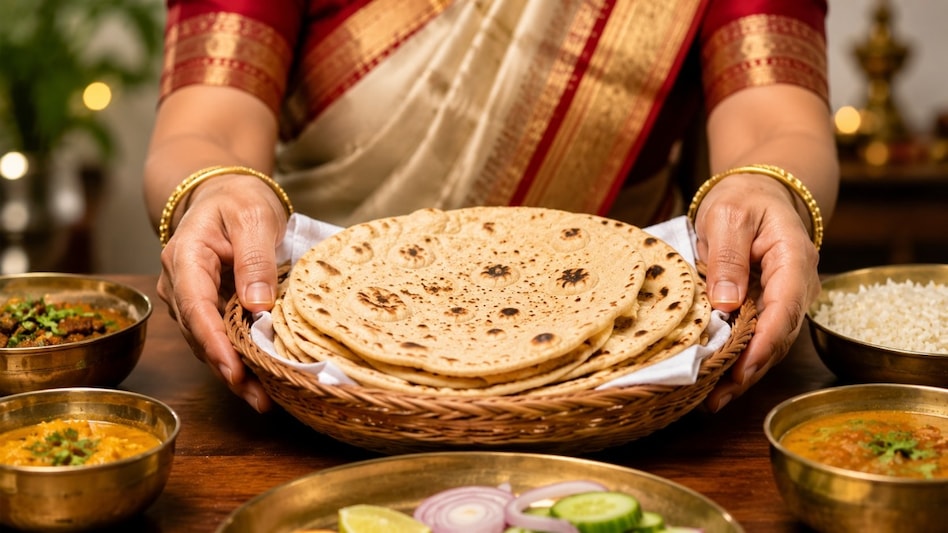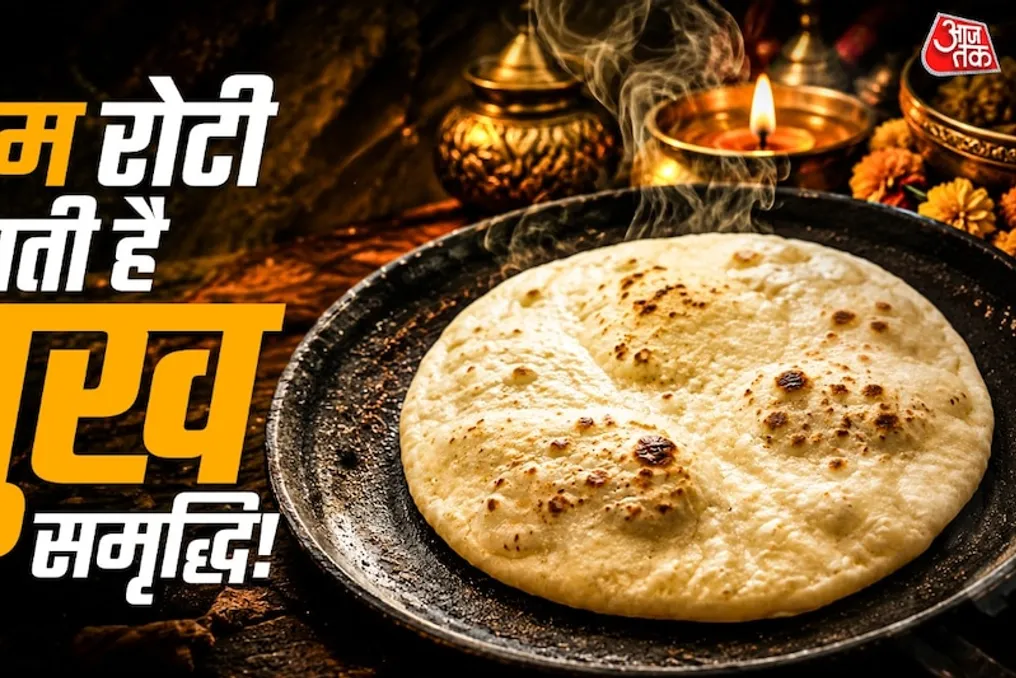
According to Vastu Shastra, the kitchen is considered a sacred place, similar to a temple, because it is from there that the family receives positive energy. The scriptures state that the direction of the kitchen, the thoughts of the cook, and the appearance of the food prepared all influence the overall energy of the dwelling. Bread (roti) plays a central role in this process.
The Significance of Roti Texture in Vastu Shastra
Vastu Shastra indicates that excessively hard or, conversely, very soft and fluffy bread reflects the state of Vastu and the planetary positions in a person's natal chart. If such situations arise during the preparation of roti, there are specific Vastu reasons.
Consequences of Overly Hard Roti
If the roti in the house frequently turns out too dry, hard, or resembles papads, this can have various consequences from an astrological and Vastu perspective. It is believed that hard, burnt, or excessively dry bread is associated with the influence of Rahu and an unfavorable Mars.
According to Vastu, consuming such roti increases the Pitta (heat) level in the body, which can contribute to irritability, anger, and disagreements among family members. Furthermore, if the roti becomes hard despite proper dough kneading, it may indicate contamination of the fire corner in the kitchen or the presence of negative thoughts in the person who is cooking.
Significance of Soft and Fluffy Roti
Soft, white, and well-risen bread strengthens the Moon and Venus. In homes where roti turns out soft and good, family members usually enjoy good health. This is also a sign that positive energy circulates in the kitchen, and the food is prepared with positive intentions.
Such rotis bring satisfaction and happiness to the family, supporting well-being and abundance in the home.
Recommendations When Preparing Roti
Preparing roti requires adherence to several rules. The first roti should always be set aside for the cow, adding a little ghee or maple syrup. This helps to pacify ancestral and planetary defects. The last roti should be left for the dog to eliminate the unfavorable influence of Rahu-Ketu and Saturn.
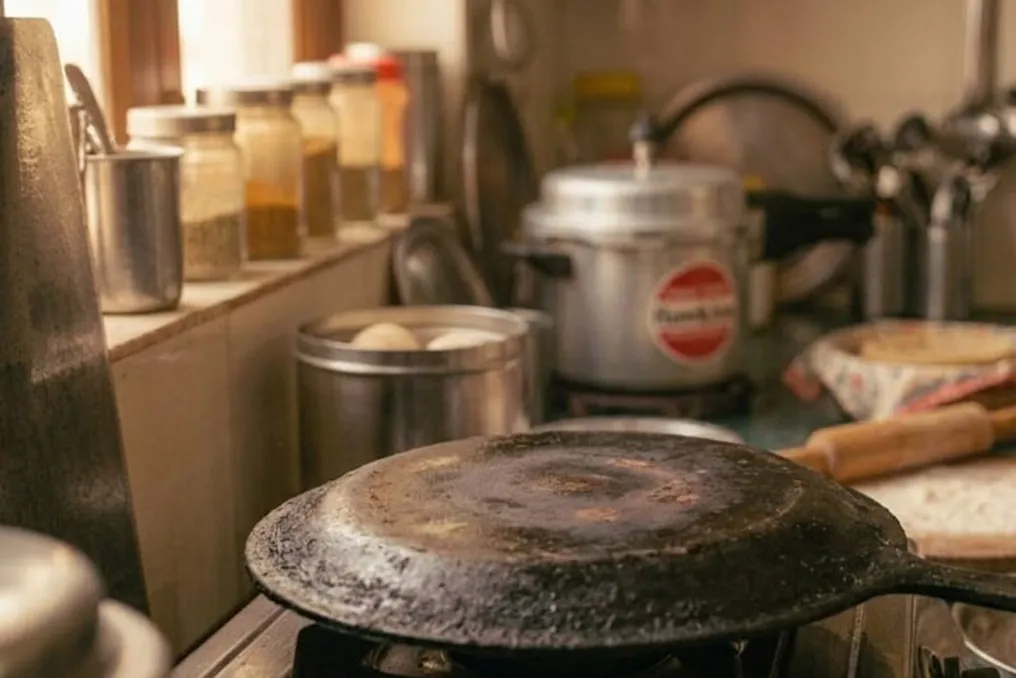
Caution should also be exercised with the stove: after frying the roti, the stove should never be left directly on the gas or placed among dirty dishes in the sink. After cooling, the stove should be washed and put away; keeping a shiny stove visible is considered undesirable in Vastu. It is important that while preparing roti, the face is always turned towards the east, which promotes improved health and prosperity.