In the modern world, which often seems noisy, fast, and overwhelming, finding inner calm can seem like a difficult task. People often experience stress, self-doubt, a tendency to compare, overthinking, and pressure while trying to appear flawless on the outside. Some days can feel heavy without an obvious reason, and emotional exhaustion gradually becomes the norm.
Similar stories
Popular
In such moments, books that feel honest, comforting, and practically applicable can subtly change one's perspective. This is why Vex King's book 'Good Vibes, Good Life' resonates with a large number of readers. It explores themes of self-love, emotional healing, mindset, setting boundaries, gratitude, and personal growth through simple yet significant lessons.
Five Important Lessons from the Book
Below are five significant teachings from 'Good Vibes, Good Life' that can contribute to achieving greater inner peace in daily life.
1. Protect Your Energy
One of the book's strongest messages is that not everything should be given access to your emotional energy. Negative environments, toxic relationships, constant comparison, and unhealthy habits often subtly drain peace of mind. The book encourages readers to approach more consciously who and what influences their emotional well-being.
Protecting one's peace sometimes requires setting boundaries, reducing negative influence, and choosing a healthier environment from an emotional standpoint.
2. Self-Love Is Not Egoism
Many people feel guilty when putting themselves first. However, 'Good Vibes, Good Life' reminds readers that self-care is not arrogance or selfishness, but a necessity. Being kind to oneself, respecting boundaries, resting, and acknowledging one's needs contributes to forming healthier relationships both with oneself and with others.
Inner peace becomes easier to achieve when self-criticism subsides.
3. Stop Seeking External Approval
The constant search for approval is one of the main causes of emotional tension. Whether it's social media, relationships, career, or comparisons, many tie their self-esteem to how others see them. But the book emphasizes that true confidence develops from within, not from endless external praise.
This lesson brings a sense of freedom because peace becomes easier when other people's opinions stop controlling emotions.
4. Healing Takes Time
Many people put pressure on themselves, demanding to 'move on' quickly after difficult experiences. However, healing rarely follows a perfect schedule. Emotional trauma, heartbreak, self-doubt, and painful experiences often require patience and compassion. The book reminds readers that progress is more important than speed.
This lesson is calming, relieving the pressure of needing to recover perfectly.
5. Gratitude Changes Perspective
One of the recurring themes in the book is gratitude. This is not ignoring problems, but being able to notice the good even during difficult times. Focusing solely on what is lacking often intensifies stress. The practice of gratitude gently redirects attention to what already exists: growth, opportunities, relationships, lessons, or small moments of wonder.
This approach gradually contributes to improved emotional balance.
Concluding Thoughts
'Good Vibes, Good Life' offers a gentle yet important reminder: inner peace is not something that is suddenly found, but something that is slowly built. Through self-love, boundaries, gratitude, healing, and emotional awareness, the book encourages readers to build calmer relationships with themselves and life. In a world that constantly sets high demands, peace sometimes begins with something simple: a more patient, kind, and understanding attitude toward oneself.
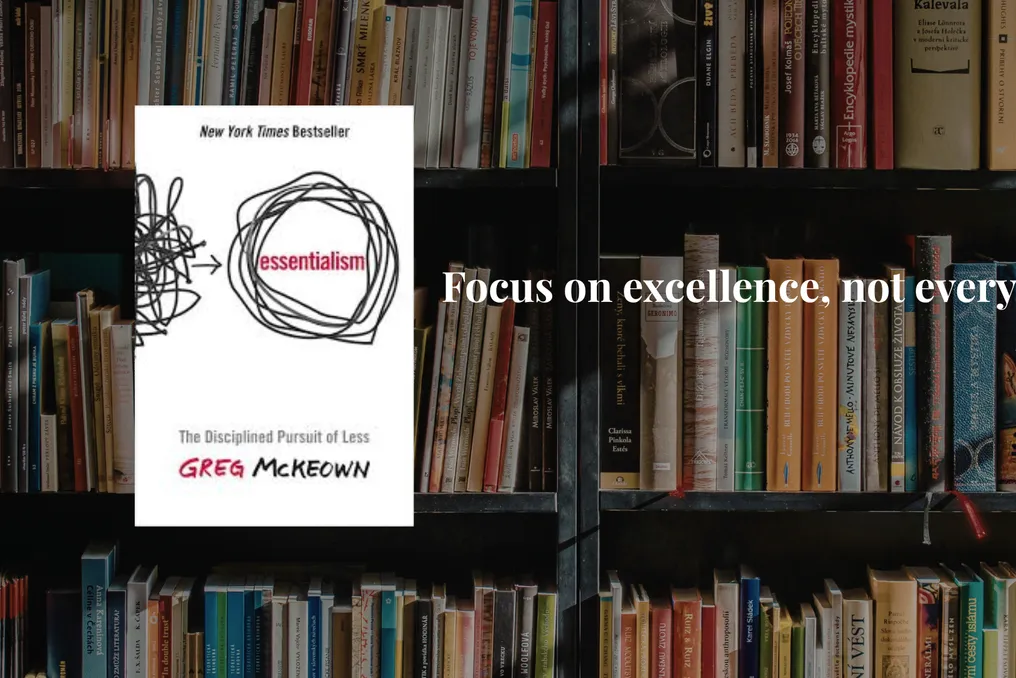
Modern life is often perceived as a race for constant busyness, where people try to cope with an endless number of tasks and high expectations. However, despite the increase in the volume of work, many feel exhausted and overwhelmed. Greg McKeown's book 'Essentialism: The Disciplined Pursuit of Less' offers a different perspective, suggesting that success can come from doing fewer, but more important things. One of the key lessons is that not everything requires the same level of attention, and it is necessary to distinguish what is truly important from everything else. Furthermore, the ability to say 'no' is viewed as a form of self-respect, as constant agreement leads to burnout and loss of focus. It is also emphasized that being busy does not always equal productivity, and deep concentration on a smaller number of priorities can yield stronger results. Finally, the book emphasizes the need to create space for reflection, rest, and intentional work to improve both focus and emotional well-being.