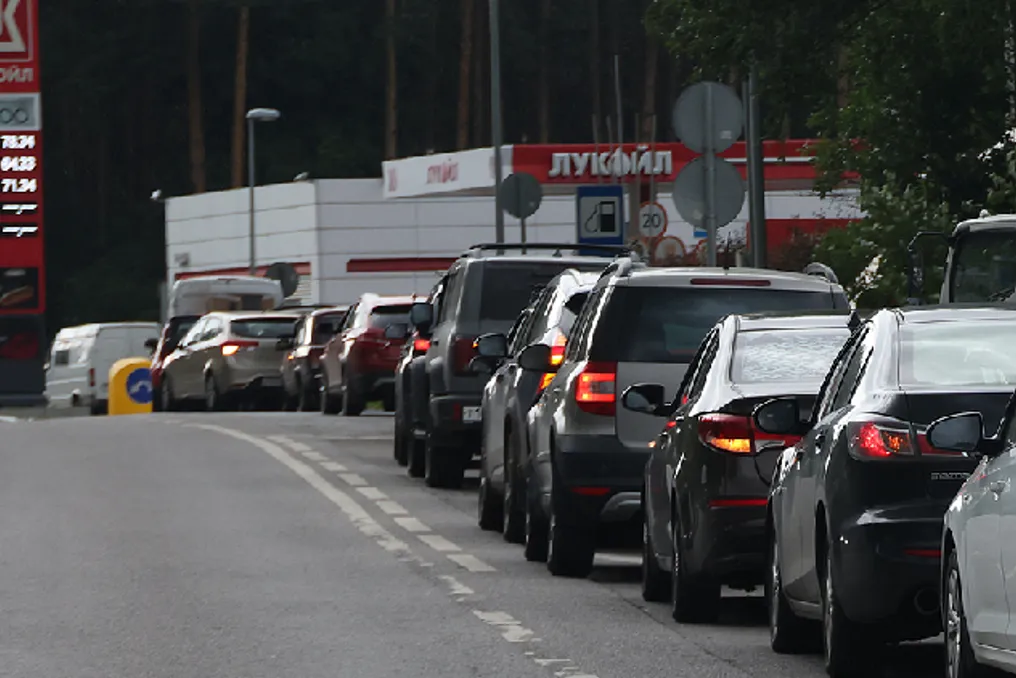
Russia has adopted a set of measures to stabilize the domestic fuel market after Ukrainian drones attacked oil refineries and Russia's energy infrastructure, which led to a temporary decrease in gasoline and diesel fuel production volumes. This was reported by Deputy Prime Minister Alexander Novak on Wednesday.
Measures to increase production
It was noted during the meeting with President Vladimir Putin and the Cabinet of Ministers that despite Russia utilizing the maximum production capacity of existing refineries and releasing reserve fuel stocks onto the domestic market, the overall situation in the fuel market remains difficult.
According to Novak, Russian oil refineries have shortened current maintenance periods and postponed planned maintenance work. The government has activated the production potential of medium and small refineries and introduced a complete ban on the export of gasoline, diesel fuel, and aviation kerosene.
Fuel market structure
Approximately 29,000 gas stations operate across Russia. Of these, only about 9,000 belong to vertically integrated energy companies, including Rosneft, Gazprom Neft, and Lukoil. The remaining stations are managed by independent operators who previously received most of their fuel through commodity exchanges and intermediaries.
Supply and import strategy
Novak added that major Russian oil companies prioritize direct fuel supplies to end consumers through their own retail stations, as well as to regions primarily served by independent fuel suppliers. Starting in July, Russia will begin importing petroleum products and increase the total supply by boosting the output of low-emission fuels. Furthermore, the Deputy Prime Minister confirmed the extension for another year of the zero import duty on petroleum products and fuel additives.