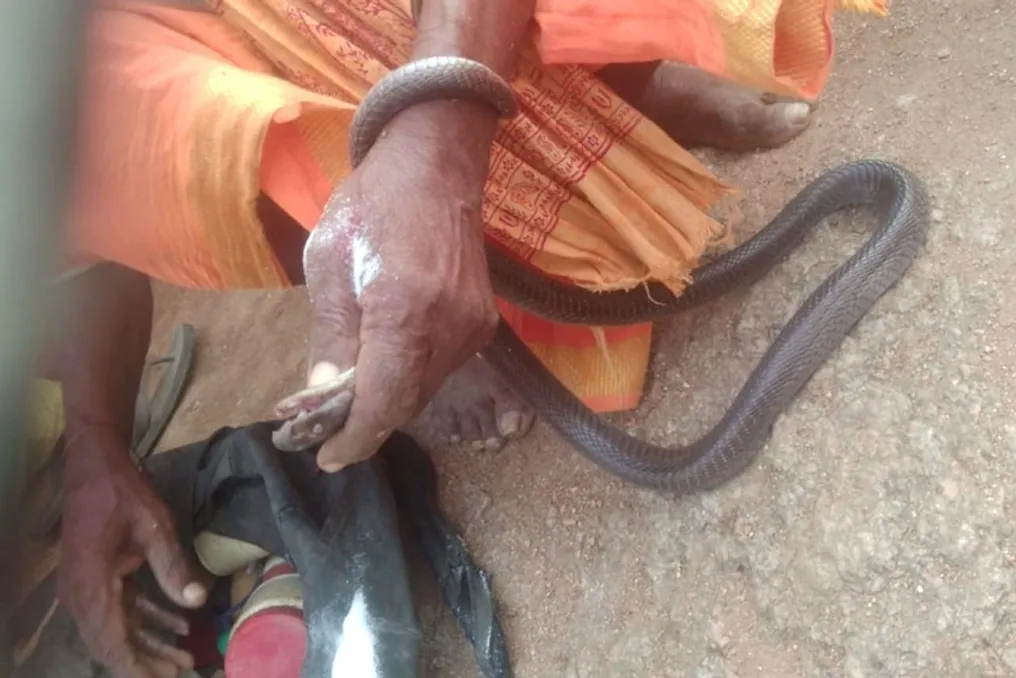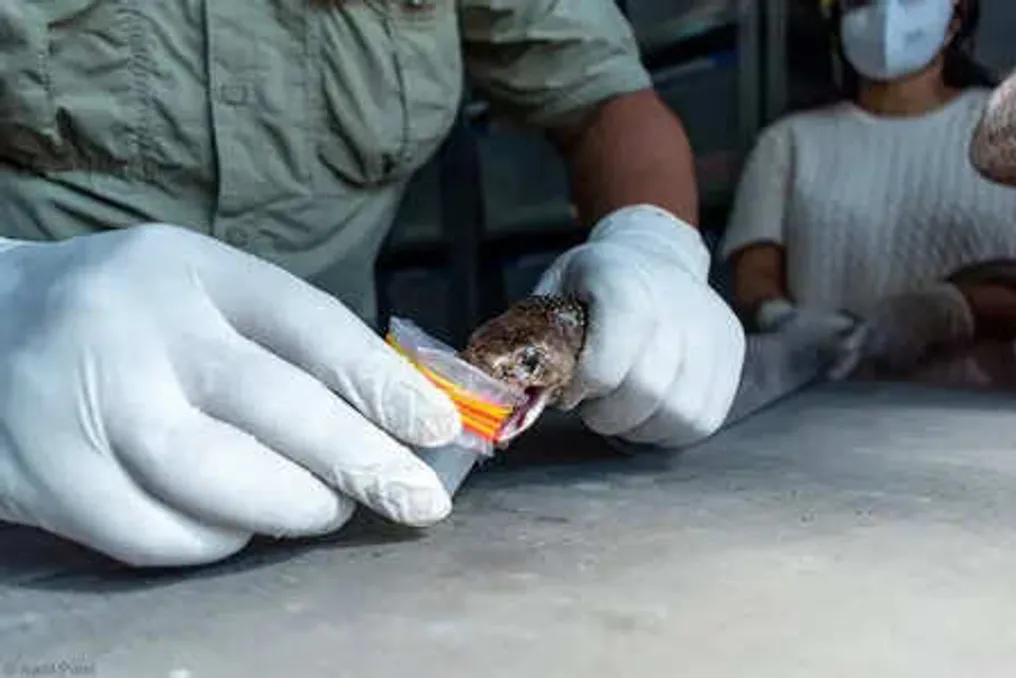
According to a survey conducted in 11 states with the support of the Indian Council of Medical Research (ICMR), snakebite mortality may be much lower than previously assumed.
Survey Results and Statistics
The survey also revealed that 43% of deaths from bites occurred outside hospitals or during transportation. Furthermore, it was found that snake venom infection (SBE) is a poverty-related disease, as 53% of affected individuals were below the poverty line.
The study data indicates that the mortality rate from bites is approximately 0.3 per 100,000 people, which is significantly lower than the previous estimate of 6 per 100,000, based on the 'One-Million-Death study' conducted by the Registrar General of India from 1998 to 2014.
Methodology and Regional Data
An interim report of the survey, published in the scientific journal Nature Communications, is based on a cross-sectional study. Data was collected over one year in each of the 11 states, with all snakebite victims identified by ASHAs (Accredited Social Health Activists) and family members of the affected individuals who consented to participate in the study. The study is not yet complete in Meghalaya and West Bengal.
The report notes that the mortality estimate within the '1-MDS' study appears highly inflated compared to community-collected data. For instance, in Kerala (population 35 million), 31 deaths from SBE were registered in 2024–25, whereas the '1-MDS' estimate would have been 2100.
General Trends and Risk Factors
Extrapolating results from selected areas to national statistics suggests an overall incidence of snakebites in the country at 120,852 cases annually. However, this low figure might be due to the study covering only 13 out of 28 states, excluding large states such as Uttar Pradesh, Bihar, and Madhya Pradesh, where the highest number of deaths are usually recorded.
India bears the largest burden of snake venom infection, accounting for nearly half of global deaths from such bites. This is primarily linked to India's large agrarian population, which is at risk of conflict between snakes and humans.
The four most dangerous venomous species responsible for the majority of infections in India include the Indian cobra, common krait, Russell's viper, and the locust-patterned snake.
Case Details
A total of 7,094 bite cases were registered across 25 project districts during the study period. Of these, 2.7% died, with 57% of them dying in hospital settings. Most victims were men (64.1%), and among age groups, the 30–39 age group accounted for the largest share (20.9%). The most common occupation among participants was unskilled labor (25.4%), followed by agriculture/farming (24.5%). Most bites (62%) occurred during the monsoon season.