The National Association of Automotive Manufacturers (Anfavea) has significantly raised its forecasts for 2026, estimating that the Brazilian market will register sales of over 3.01 million vehicles. This volume would represent the best performance since 2014, exceeding the symbolic milestone of 3 million units for the first time in this period.
Sales Projection Revision
The new estimate reflects an increase of approximately 12.1% compared to the 2.69 million units sold in 2025. This projection drastically surpasses the entity's initial expectation, which predicted a modest growth of only 2.7%, implying about 2.76 million vehicles. The growth was mainly driven by the passenger car and light commercial vehicle segments, whose expected expansion rose to about 13%, although the heavy vehicle sector projects a contraction of 6%.
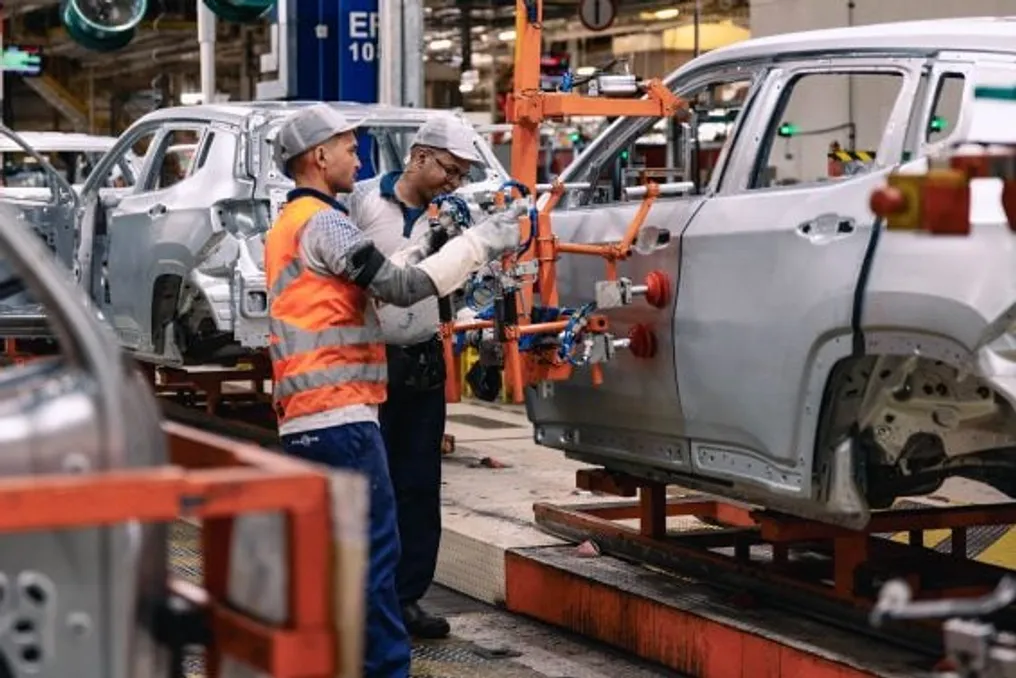
In terms of production, the estimate was also adjusted, moving from a growth of 3.7% to 5.8%, which should result in the manufacturing of approximately 2.8 million units, the best result since 2019. However, Anfavea points to a mismatch between production and sales, attributing this difference to the rapid increase in imports.
Growth Factors in the First Half
The optimism is largely due to the results achieved in the first half. Between January and June, 1.42 million units were registered, an increase of 18.5%, the best result for the period since 2014. Production during the same semester totaled 1.37 million vehicles, representing a growth of 8.8%, the best semester since 2019.
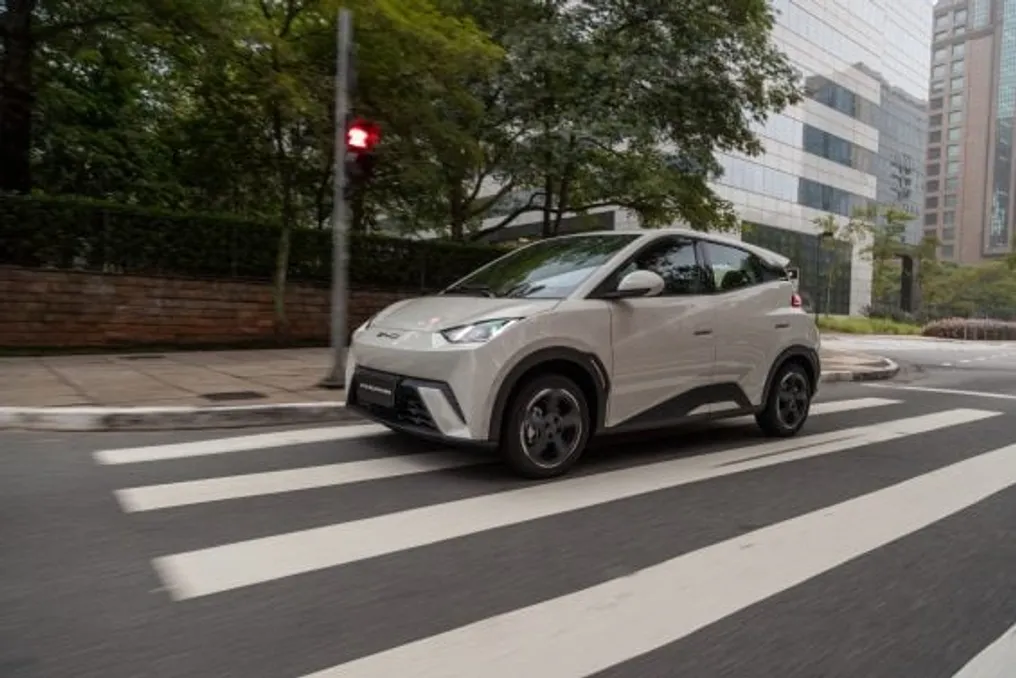
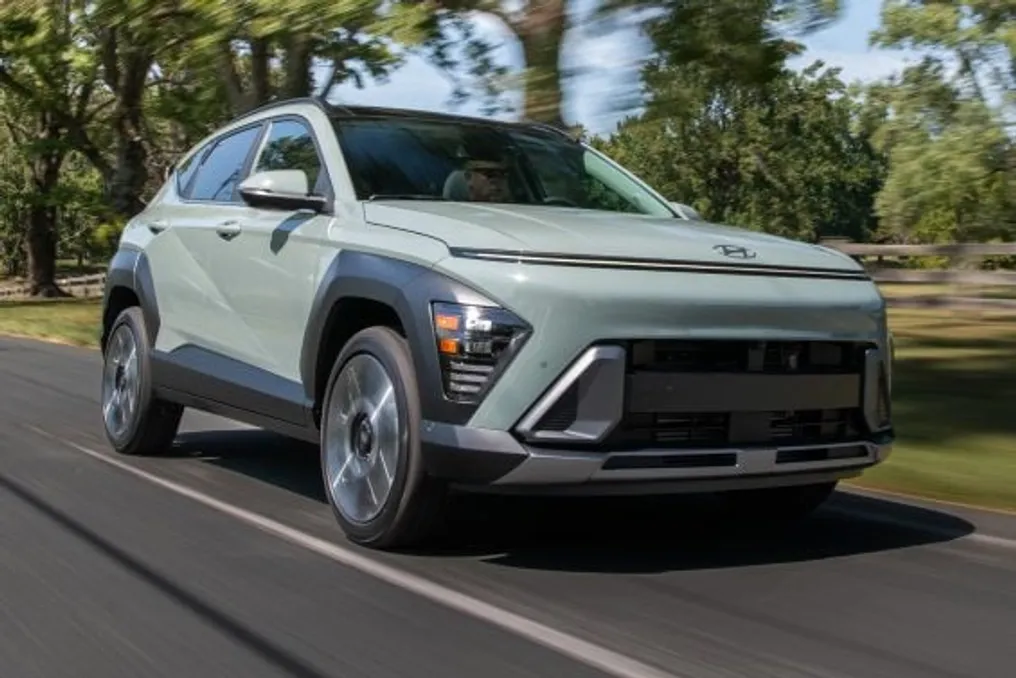
Electrification emerged as the main catalyst for this growth. In June, electrified vehicles reached a record share of 20.9% in light vehicle sales, totaling over 130 thousand units accumulated in the year. However, a considerable portion of this boost comes from abroad, intensifying competition at dealerships. In the semester, 280 thousand imported vehicles were recorded, with about half coming from China, whose shipments to Brazil doubled in twelve months. Furthermore, local incentive policies, such as Sustainable Car and Move Brazil, and the resilience of the domestic market, despite the high Selic rate, contributed to the positive scenario.
Historical Market Context
To understand the importance of the 3 million mark, it is necessary to look at 2014, the year the country reached its historical peak of 3.5 million units. The subsequent recession in 2015 and 2016, marked by two years of GDP contraction, increased unemployment, credit scarcity, and political instability, led sales to fall to just over 2 million, a reduction of about 41% from the peak.
The recovery was slow between 2017 and 2019 but was interrupted by the pandemic in 2020. In the following years, supply was limited by the global shortage of semiconductors, while high interest rates inhibited demand, keeping the market stable around 2.1 million. Only starting in 2023 did the sector manage to resume three consecutive years of growth, although this was slowed by the high Selic rate, particularly affecting heavy vehicles.
Export Performance
While the domestic market shows acceleration, foreign trade presents an opposite trajectory. Exports totaled 216.6 thousand units in the first half, which constitutes a decline of 21.2%. The annual projection was revised from a slight increase, forecast in January, to a decrease of 12.8%. The main destination for Brazilian vehicles, Argentina, was the biggest contributor to this downturn, with drops of almost 60 thousand units, reflecting the Argentine economic slowdown and increasing competition from Chinese and Mexican manufacturers in Latin America. It is important to note that this movement also considers an atypical comparison base, given that exports had grown by 32.1% in 2025, including an 85% jump in sales to Argentina.
Impact of Government Policies
In the heavy vehicle segment, the federal government sought to mitigate the decline through the Move Brazil program, a credit line managed by BNDES aimed at fleet renewal. The first phase, with an amount of R$ 10 billion, was launched in January and exhausted in approximately two months, financing more than 8 thousand operations and 15.6 thousand trucks. In April, the program received a second stage of R$ 21.2 billion, expanding to include buses, minibusses, and road implements, offering reduced interest rates of 11.3% per year and terms of up to ten years for self-employed individuals.
Despite these stimulus efforts, the situation was not entirely reversed: in the semester, truck sales fell by 10.5% and bus sales by 11.6%. Although June showed the best numbers of the year for both segments, they were insufficient to alter the downward trend. The recovery of the heavy sector and the balance between imports and exports will be crucial to confirm whether the 3 million unit target will be reached in December.