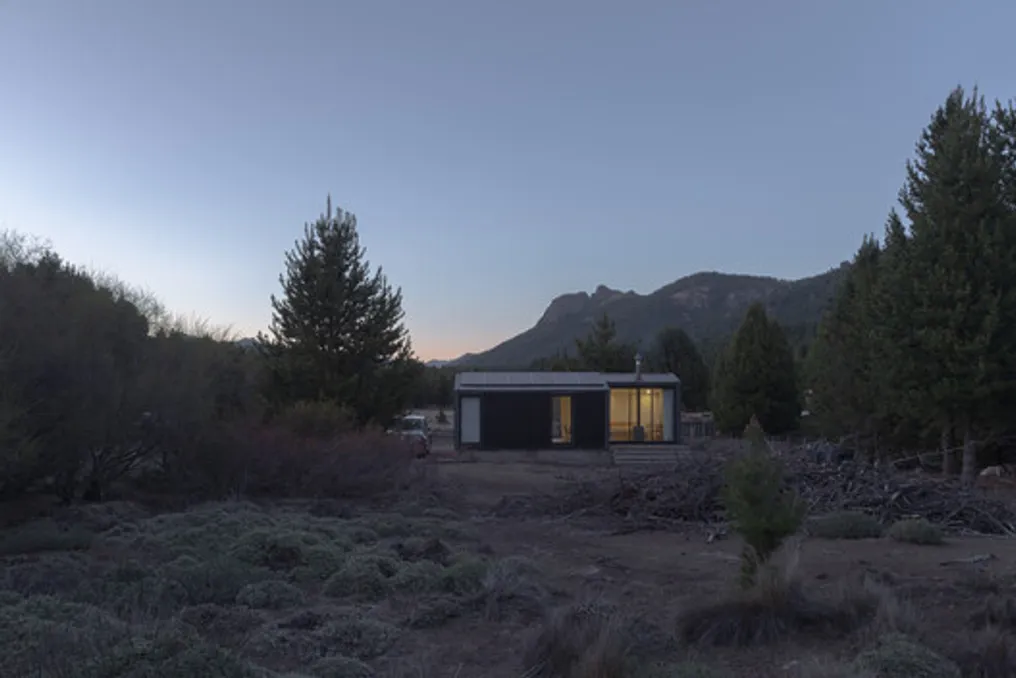
Villa Meliquina is situated in the province of Neuquén, in the Argentine Patagonia region. The concept of 'meliquina' refers to 'four points' and symbolizes the four natural components surrounding the valley.
Villa Meliquina is situated in the province of Neuquén, in the Argentine Patagonia region. The concept of 'meliquina' refers to 'four points' and symbolizes the four natural components surrounding the valley.
This name alludes to the natural elements present around the valley, specifically the river, the lake, the forest, and the mountain range.
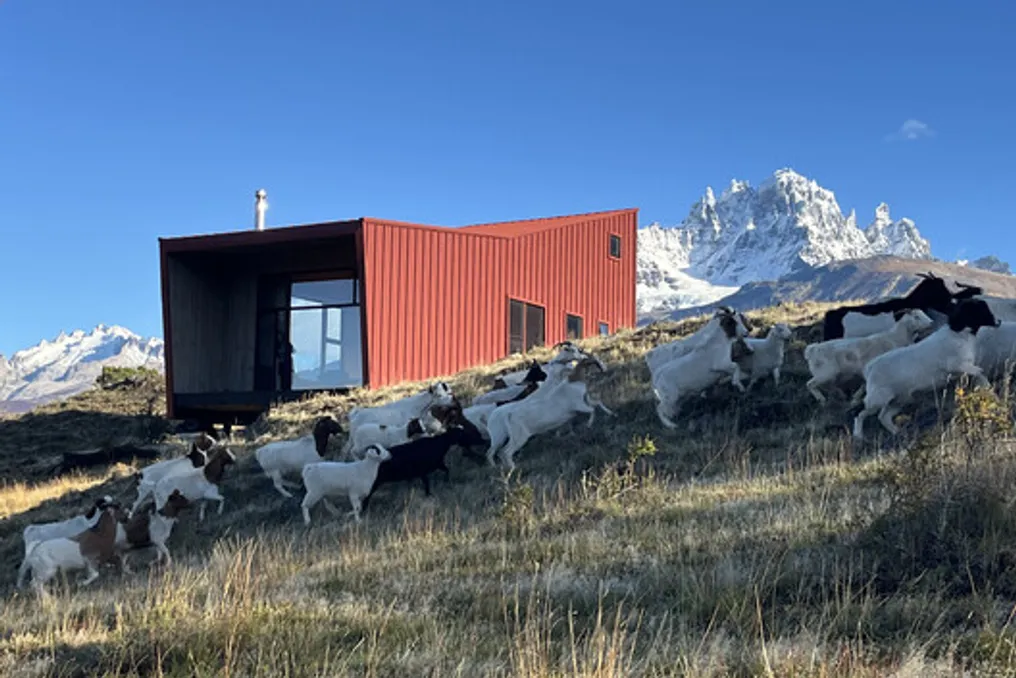
The Refúgio La Oveja project is located in Cerro Castillo, in Chilean Patagonia. This territory is notable for its vast landscape, strong climatic variations, and the characteristic isolation of Austral Patagonia. Given this large territorial scale, the strategy adopted by the project is concentration. The architecture was designed to create an interior that is precise, compact, and efficient. The main objective of the design is to provide shelter and comfort to the occupants, contrasting with the adverse conditions of the external environment.
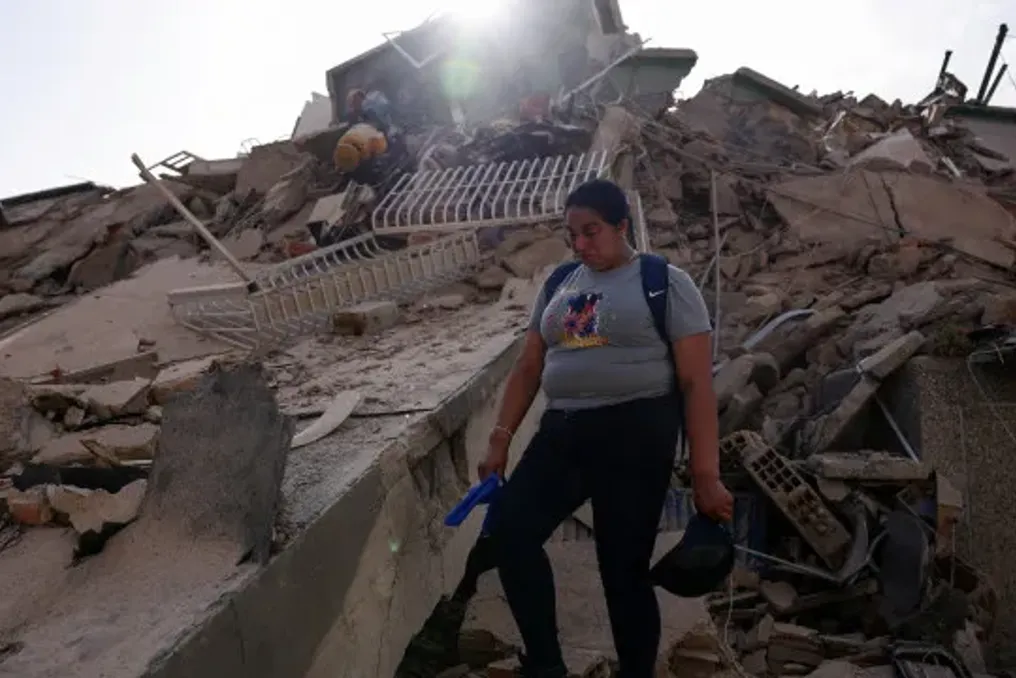
In the city of Catia La Mar, people were seen leaving a partially fire-damaged supermarket, taking bags of food supplies, while rescue teams continued search and rescue operations. The French agency AFP reported that these loitering incidents occurred in one of the areas most affected by the earthquakes, where many buildings collapsed or sustained serious damage. Difficulties with the supply of essential goods persist in this same area. Venezuelan authorities have not yet published official statistics on these incidents nor announced any arrests related to acts of looting. The country was affected by two strong earthquakes with magnitudes of 7.2 and 7.5, registered within less than a minute, which is a rare seismic phenomenon known as a 'seismic doublet'.