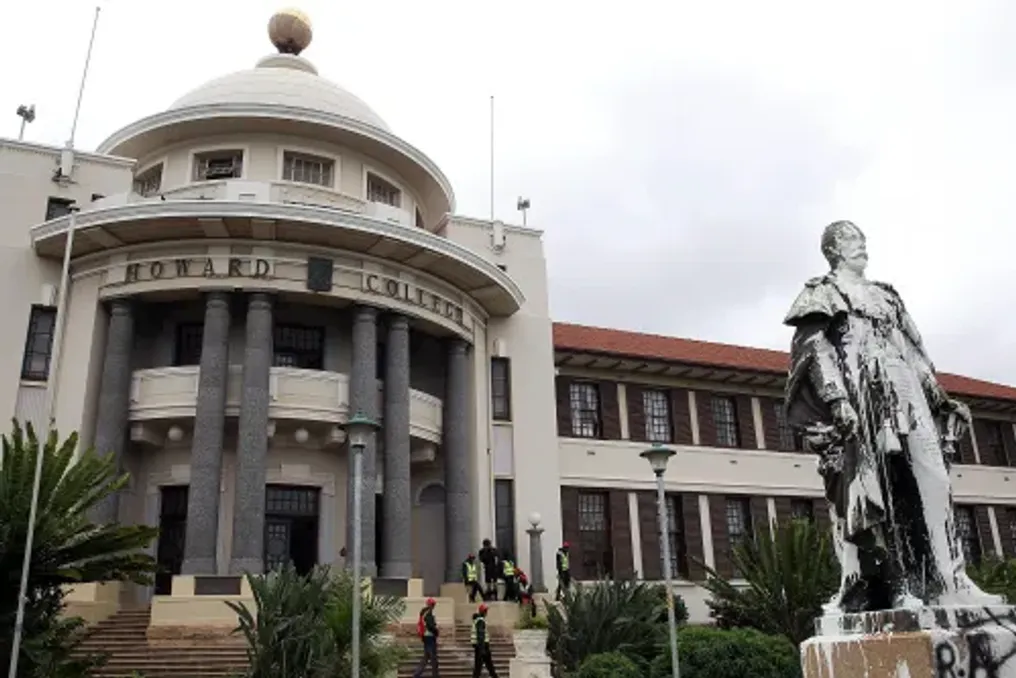
The University of KwaZulu-Natal (UKZN) has decided to conduct special examinations for affected students in the School of Law after it was confirmed that several exam papers were compromised through a leak.
Reasons and timelines for re-examinations
The institute announced that the re-examination of the affected exams will take place once students return to campus in the second semester. This decision was made after a comprehensive assessment of the incident and is aimed at protecting the integrity of the assessment process. The UKZN Corporate Communications department stated that the re-examination is necessary to maintain the integrity of evaluation procedures and trust in the university's degrees.
The university acknowledged that this decision may cause inconvenience for many students not involved in the leak, but emphasized that maintaining fairness in the examination process is a primary objective. To minimize disruptions to the curriculum, the School of Law will develop a catch-up plan and provide academic support to students so they can meet the requirements of the second semester.
Investigation and security measures
Furthermore, UKZN has implemented additional security measures before conducting the special examinations. The university has commissioned an independent external forensic investigation to determine the source, nature, and scale of the compromise of the examination materials. According to the statement, this investigation will establish the circumstances of the incident and identify those responsible.
UKZN added that appropriate disciplinary, civil, and, where applicable, criminal action will be taken against those found guilty. The university affirmed its commitment to resolving the situation quickly and fairly while adhering to the highest standards of academic integrity and institutional governance.
Position of legal experts
Legal expert and attorney Yolanda Celeste Akram noted that the leak of exam papers violates the principles of higher education fairness and unfairly punishes students who prepared honestly for the exams. She described students forced to retake exams due to the misconduct of others as 'victims of circumstances entirely beyond their control.'
Akram stressed that the emotional and psychological impact of such a decision cannot be underestimated. Many students meticulously plan their preparation, sacrifice employment opportunities, and postpone family obligations for one exam. Learning about this later, due to the wrongful actions of others, causes understandable frustration.
The expert also pointed out practical consequences: many students may have already booked travel, accepted jobs, or made financial commitments based on the original schedule. The requirement to retake the exam disrupts these plans and creates additional burden on those who acted diligently.
Legal obligation of universities
Despite the difficulties faced by innocent students, Akram stated that universities have a legal obligation to ensure the validity of assessment processes. She explained that if there is convincing evidence of exam compromise, the institution may have to require a re-examination to preserve the value of each student's qualification and public trust in the institution.
Akram strongly urged that those responsible should face the full consequences of their actions. Therefore, it is crucial that universities not only thoroughly investigate the source of the leak but also hold those responsible fully accountable by conducting appropriate disciplinary and, if applicable, criminal proceedings. She also advocated for strengthening preventive measures to prevent similar incidents in the future.
In conclusion, Akram noted that while re-examining the exams may be the fairest solution to protect the integrity of UKZN's qualifications, the university must acknowledge the burden placed on law-abiding students and take reasonable steps to minimize disruptions, ensure transparent communication, and provide appropriate academic and psychological support throughout the process.