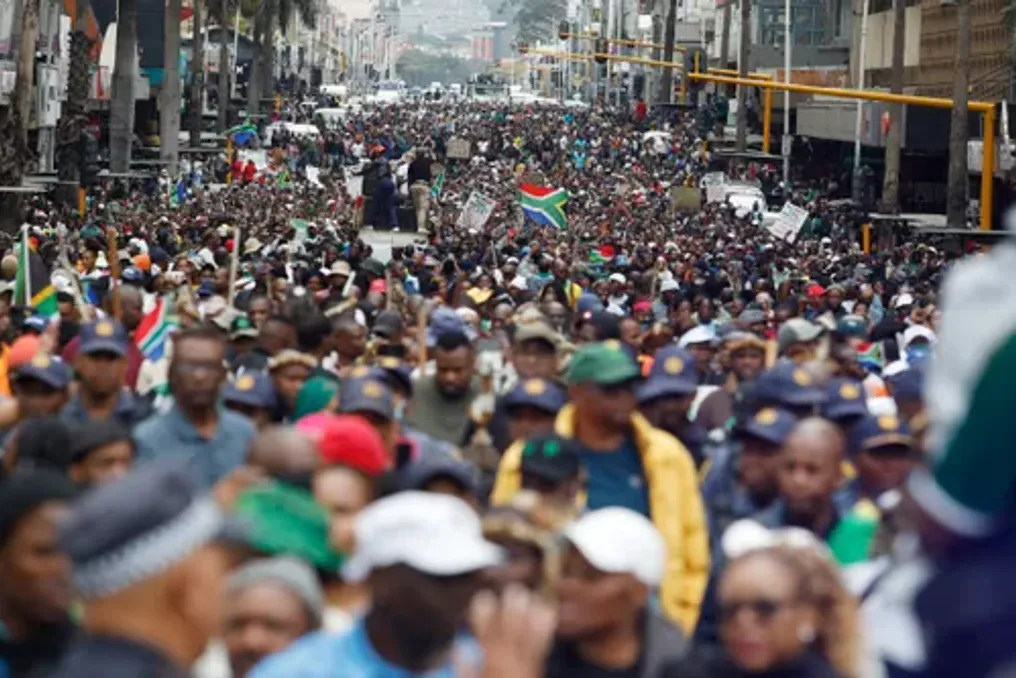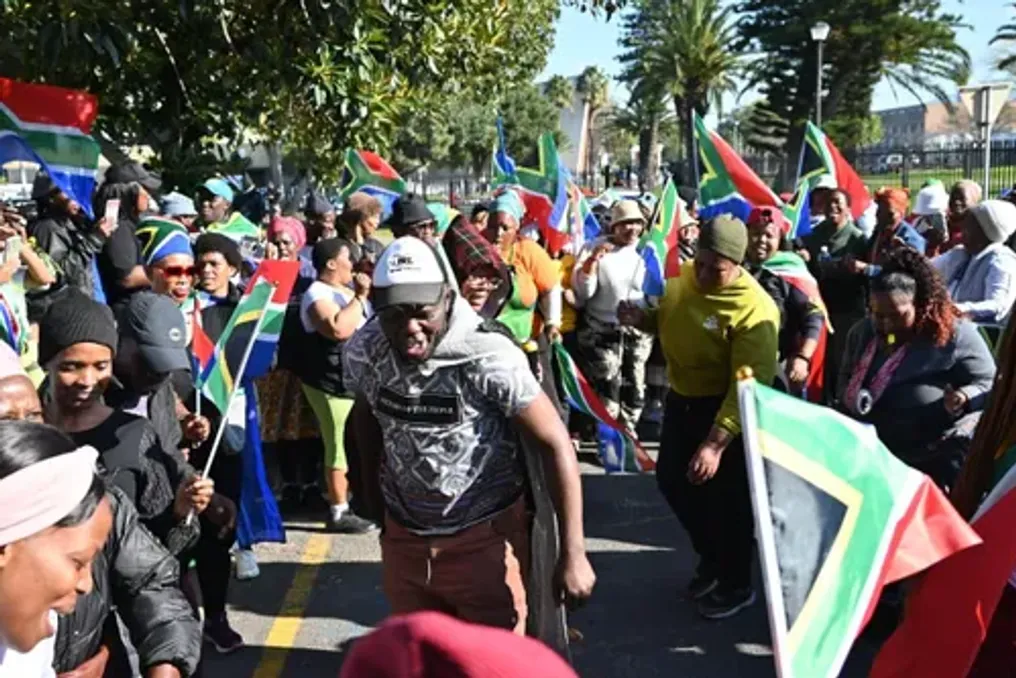
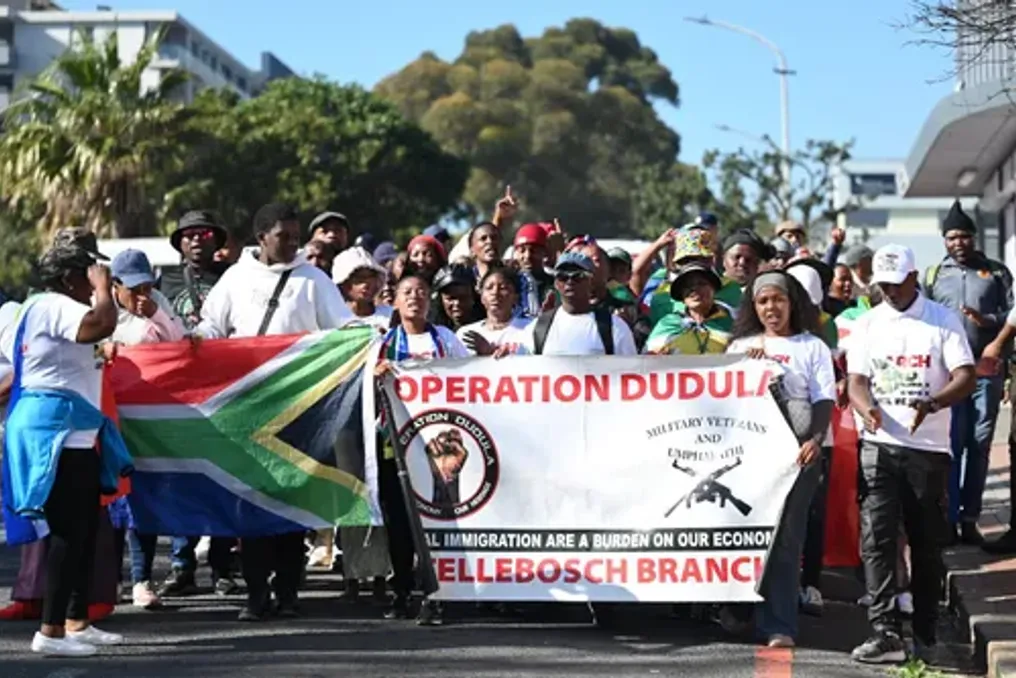
Residents of Cape Town are holding demonstrations demanding greater transparency in the process of issuing permits for informal trade and better access to these opportunities for South African citizens. The protests were organized by members of the Laboratory and Civil Organization (LACO) and the Operation Dudula movement.
Protesters' Demands
The groups marched to the offices of the Passenger Rail Agency of South Africa (PRASA) and Parliament, demanding an expansion of opportunities for informal trade among South Africans and increased openness regarding the distribution of trade permits in various areas of Cape Town. Among their demands, they proposed setting a quota: 80% of spots should go to South African citizens, and 20% to foreign nationals. They argue that more trading spaces must be provided to unemployed South Africans, especially youth looking to start small businesses. Furthermore, activists questioned the methods used for distributing permits in the city's busiest commercial zones.
City Council's Position
The City of Cape Town stated that such a policy, providing informal trade opportunities in an 80% ratio for South African citizens and 20% for foreigners, does not exist. The city clarified that no such quota is enshrined in applicable constitutional, national, or local regulations. Instead, permits are issued according to the City's Informal Trade By-law and approved distribution procedures, with applications assessed based on established criteria, not citizenship.
Conditions for Foreign Applicants
The city reported that foreign nationals can apply to participate in informal trade provided they have legal right to reside and conduct economic activity in South Africa. To submit documents, they must provide proof of legal stay and any applicable work or business authorization. The city reserves the right to verify immigration documents through the Department of Home Affairs before issuing permits.
Data and Policy Issues
However, when asked about the number of active permits held by South African citizens, permanent residents, refugees, asylum seekers, and other foreigners, the City responded that this information is not immediately available. It was stated that the breakdown of permit holders by citizenship or immigration status is not stored in a format allowing for immediate reporting and would require data extraction and verification, which may take reasonable notice.
Activist Activity and Concerns
Despite the recent demonstrations, the City has not approved any changes to its policy, distribution process, or enforcement measures regarding informal trade. Wendy Somlayi, LACO Coordinator in the Western Cape, emphasized that the organization's campaign aims to create jobs for South Africans who cannot secure a spot in the informal economy. She noted that she has compiled a list of about 70 South African vendors and small business owners needing trading space. Somlayi also expressed concern over trading stalls located on the so-called 'upper deck' in Cape Town's central business district. She cited an example where only about 15 out of 356 such stalls are occupied by South African citizens, with the rest being migrants, and demanded clarification on the fairness of their distribution process.