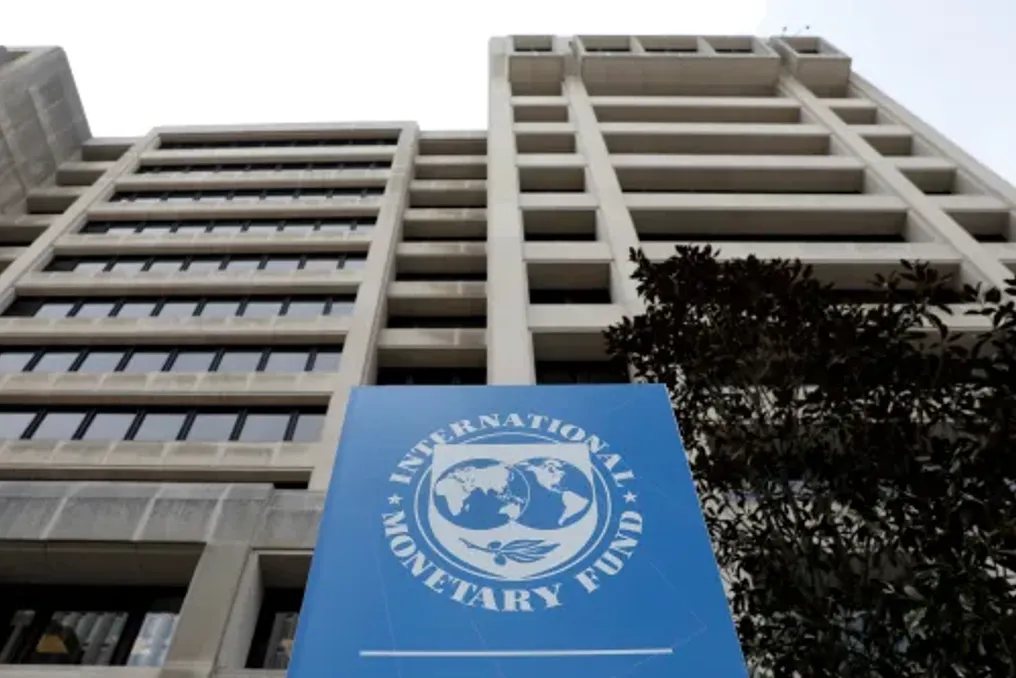
The International Monetary Fund (IMF) has lowered its global growth forecast for 2026 to 3%, which is below the initial estimate of 3.3% at the beginning of the year. The IMF also noted that the trend of slowing inflation observed since early 2024 has ceased.
In issuing its Global Economic Outlook, the IMF warned that ongoing risks associated with the war in the Middle East could lead to trade fragmentation, increased volatility in commodity prices, and further disruption to supply chains. Furthermore, this could cause price increases and negatively affect global financial conditions.
The situation intensified after the resumption of US attacks in Iran, following Iranian attacks on vessels passing through the Strait of Hormuz, which led to a visible breach of the fragile peace agreement between the US and Iran.
The IMF indicated that a possible correction in technology-based expectations added risks to the forecast, while weakening policy buffers could also amplify these dangers. Nevertheless, the global creditor stated that the world economy avoided a sharper downturn thanks to an impulse driven by demand in the technology sector, supported by the growing use of artificial intelligence (AI), compensating for the energy supply drop related to the war.
The Fund forecasts that growth should recover to 3.4% in 2027, although this figure remains below the average rate of 3.5% recorded in 2024 and 2025. The IMF highlighted the uneven nature of the situation: 'The war shock puts pressure on energy-importing countries and vulnerable economies, while AI-driven demand supports countries integrated into the global value chain technology.'
According to the forecasts, global inflation will rise from 4.1% in 2025 to 4.7% in 2026, before falling to 3.9% in 2027. These upwardly revised forecasts indicate that the trend of slowing inflation, present since early 2024, has stalled. The IMF recommended that countries implement structural reforms to enhance energy security and AI readiness.
Energy prices are currently 25% higher compared to the period before the war began on February 28, and they are expected to remain high. The new forecast suggested that the Strait of Hormuz would begin to recover in mid-July, reaching pre-war conditions by March 2027. The forecasts look more optimistic for energy exporters and countries closely linked to the technology sector, while raw material importers who are not prepared to benefit from AI development have generally seen lower growth forecasts, including many low-income countries.
Global trade growth is projected to slow sharply to 3.5% in 2026 compared to 5% in 2025, which was marked by strong front-loading of volumes before the imposition of US tariffs. It is then expected to recover to 4.3% in 2027. Despite higher prices and reduced confidence, the release of strategic oil reserves and commercial stocks, along with increased energy efficiency, helped offset supply shortages. The private sector also adapted quickly, finding alternative routes and sources of supply.
A warning has emerged that the resumption of conflict in the region would put the world economy in a worse position than the first time. For emerging markets and developing economies, the growth forecast was lowered by 0.1 percentage point to 3.8% in 2026, while the forecast for 2027 was raised by 0.3 points to 4.5%. China's growth is expected to reach 4.6% in 2026, up from the April forecast of 4.4%. India, one of the world's fastest-growing economies, also received a slight forecast reduction to 6.4% from 6.5% in April. IMF economists noted that 'the entire world economy has weathered the war shock better than feared so far.' Oil-producing countries in the Middle East were hit hardest by the war, and they are expected to face a sharp contraction this year.