As South Africans prepare to commemorate Nelson Mandela's passing on July 18th, millions of people will once again dedicate 67 minutes of their time to improving life in their communities.
Call to Action from WWF
While many people volunteer in schools, cafeterias, and charities, WWF South Africa urges citizens to focus on issues in their immediate surroundings on Mandela Day. The organization believes that caring for nature is one of the most significant ways to perpetuate Mandela's legacy of service.
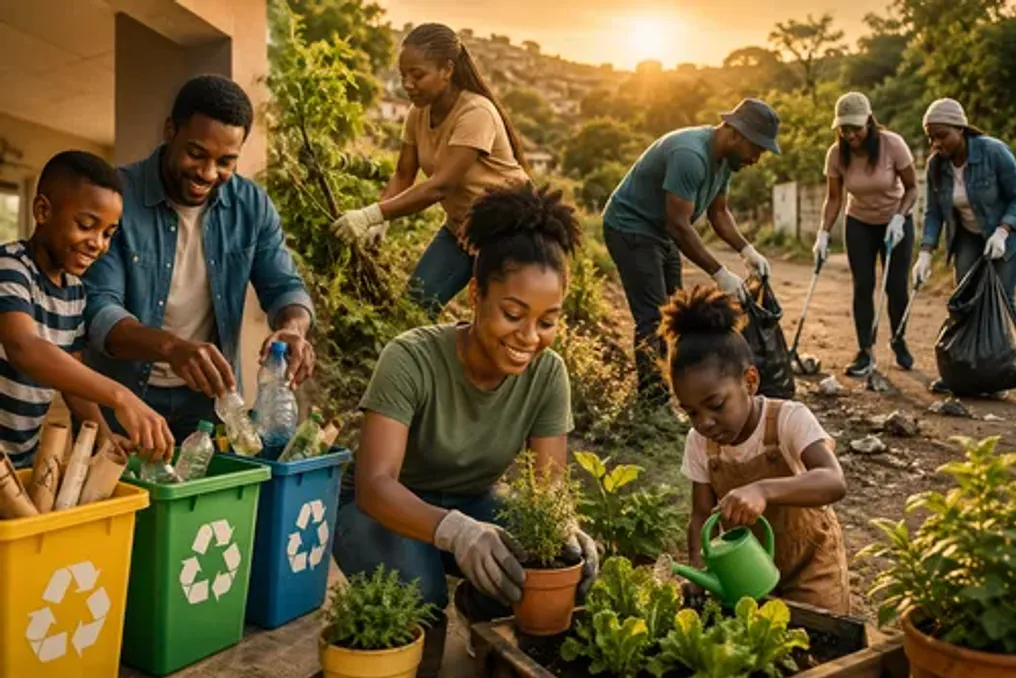
As part of its 'This Is Where We Live' campaign, the conservation organization encourages South Africans to spend their 67 minutes protecting the environment by taking simple actions at home and in their neighborhoods.
The Importance of Personal Actions
The organization notes that Mandela Day reminds every person of their ability to initiate positive change. Caring for the places we call home is one of the simplest ways to achieve a long-term effect.
Specific Ecological Suggestions
Practical tips include removing invasive alien plants that threaten biodiversity and consume valuable water resources. Residents are also advised to clean streets and storm drains of litter to prevent plastic waste from entering rivers and oceans.
WWF points out that households can contribute to positive changes by implementing recycling and composting systems, switching to eco-friendly cleaning agents such as vinegar and baking soda, and reducing food waste.
Supporting Local Production
Furthermore, the organization calls on South Africans to support local farmers by preparing meals from locally sourced seasonal produce and starting small vegetable or herb gardens, even if they are placed in pots or on balconies.
Another simple yet effective way to help is neighborhood clean-up: communities are encouraged to jointly restore parks, sidewalks, and other public spaces.
Seven Ways to Use 67 Minutes
WWF believes that Mandela Day should inspire the formation of sustainable habits, not just one-off acts of service. The campaign is built around the idea 'Nature Is Our Home,' urging South Africans to realize that protecting nature also protects human health, livelihoods, and future.
The seven suggested ways include: removing invasive plants to conserve water and protect biodiversity; collecting trash and cleaning drains to prevent river pollution; starting home recycling and composting; using eco-friendly cleaning products; buying and cooking with local seasonal produce; growing herbs or vegetables at home; and neighbors participating in cleaning a local park or street.
The organization emphasizes that achieving change does not require extensive travel or large expenditures. Small actions repeated over time can have a lasting impact on both communities and the environment.