Global financial markets experienced renewed pressure on Wednesday after United States President Donald Trump stated that the truce with Iran was effectively over. This declaration reignited concerns about further escalation in the Middle East, leading to a sharp rise in oil prices.
Reaction of Global Markets
After the US struck dozens of Iranian targets in response to attacks on vessels in the Strait of Hormuz, the price of Brent crude rose nearly to $79 per barrel. This escalation reversed the downward trend in oil prices that had been observed for several weeks amid optimism following the announcement of a peace agreement just three weeks prior.
Neil Wilson, an investment strategist at Saxo UK, noted that Trump's remarks significantly worsened already fragile market sentiment. He commented: 'President Trump woke up in a very bad mood. Stock markets plummeted, and oil soared after Trump said the truce between the US and Iran was over.'
Situation Analysis and Forecasts
Wilson added that while markets reacted sharply, a complete breakdown of negotiations is not yet the most likely scenario. He suggested that Trump tends to make threats, and both sides need to return to some kind of 'foggy pre-war normality.' Nevertheless, he acknowledged that the risk of a complete collapse of talks has increased, and markets are reflecting this new dynamic.
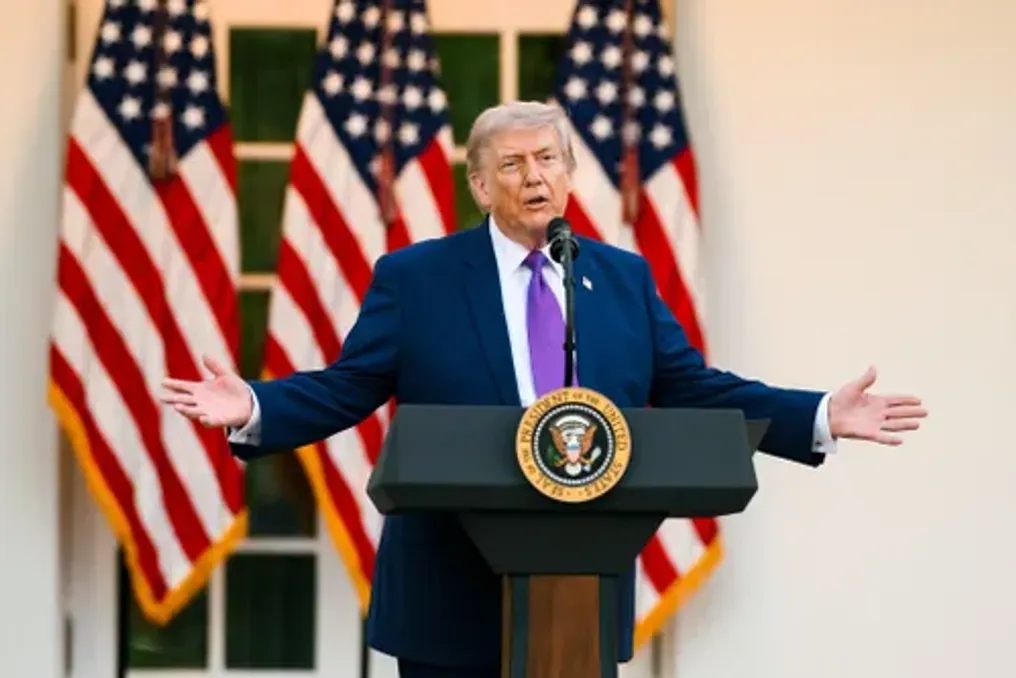
Trump rejected any possibility of further negotiations with Iran, stating: 'For me, I think it's over. As far as I know, it's just a waste of time.' He also expressed extremely negative views of the country, calling them 'scum' and 'crazy.'
Financial Consequences of Military Action
According to Anchor Capital, the conflict premium quickly returned after the latest military operation. The investment firm noted that 'US military forces struck dozens of Iranian targets in response to tanker attacks.' The price of Brent crude rose from approximately $71 to over $76 during two trading sessions, and then continued to climb after Trump's comments, reflecting renewed concerns about supply disruptions through the Strait of Hormuz.
The Johannesburg Stock Exchange (JSE) was also noticeably affected by the deteriorating geopolitical outlook. The All Share Index fell by 0.8%, closing at 110,325.50, with platinum producers, gold miners, banks, and telecommunications companies suffering the largest losses as investors reduced their exposure to risky assets. Tech stocks showed support: Naspers rose by 5.2%, and Prosus by 4.2%.
Market Dynamics by Region
Global stock markets demonstrated an overall decline in risk-related sentiment. In the United States, the S&P 500 index fell by 0.4%, Nasdaq dropped by 1.2%, and the Dow Jones Industrial Average slid by 0.2%. Semiconductor companies remained under pressure: Intel lost 9.7%, AMD fell by 6.5%, and Micron Technology by 4.7%.
European markets weakened sharply following Trump's statements. Wilson reported that European stock indices initially fell by about 1% and then continued to drop to more than 2% during the session. The DAX fell by 2.3%, and the CAC by 2.1%. The FTSE 100 lost slightly less, thanks to active trading by Shell and BP, but this was insufficient to offset significant losses in airlines, the tourism sector, housing construction, and mining.
Wilson also added that banks were under pressure, while US futures sharply declined. Bond yields rose due to inflation fears, and the dollar strengthened. Brent crude, which was trading 3% higher after the strikes but before Trump's comments, continued to rise, reaching 6% and approaching $79.
Asian markets showed a mixed picture as investors assessed the latest developments. Japan's Nikkei 225 fell by 0.7%, South Korea's Kospi dropped by 1%, while Hong Kong's Hang Seng rose by 2%. Energy companies benefited from rising oil prices: Devon Energy rose by 5.1% in the US, Diamondback Energy by 3.9%, and Chevron by 3.5%.
Meanwhile, gold initially fell by 1.6% before recovering some losses as investors returned to traditional safe-haven assets. The Rand weakened against the US dollar amid heightened geopolitical tension, although it moderately recovered to 16.26 per dollar at the start of Wednesday. South Africa's 10-year government bond yield rose slightly to 8.34% due to renewed inflation concerns alongside rising energy prices.
Other Economic Events
In other news, Germany showed a positive economic surprise as industrial production increased by 0.9% year-on-year for May, and the UK recorded its first monthly house price growth in four months. Corporate activity also drew attention after Abu Dhabi National Oil Company agreed to acquire Shell's fuel business in South Africa, expanding the UAE state energy company's presence in Africa's largest economy. Anchor Capital characterized this deal as 'part of a broader drive by Gulf states to enter African energy markets.'
Investors will now closely monitor developments in the Middle East, as oil prices, inflation expectations, and central bank policies are expected to remain highly sensitive to any further escalation.