Uzbekistan has begun implementing its integrated cotton production cluster model in Azerbaijan. This model covers the entire industrial cycle, from raw material cultivation to the production of finished textile products.
Uzbekistan has begun implementing its integrated cotton production cluster model in Azerbaijan. This model covers the entire industrial cycle, from raw material cultivation to the production of finished textile products.
Huram Teshabaev, a deputy minister of Investments, Industry and Trade of Uzbekistan, presented this strategy in an interview with the news agency Report.az. According to him, specific land plots for cotton clusters have already been identified, leading investors have been attracted, and organizational management structures have been created within the framework of the Industrial Cooperation Program between the two states, approved in June 2025.
Teshabaev explained that the essence lies in replicating the fully successful 'farm-to-finished product' production model in Uzbekistan. This cycle includes all stages: cotton cultivation, deep processing, and the output of high-value textile products.
Parallel to textile projects, pilot initiatives are being launched in the dairy sector. These efforts aim to introduce modern processing technologies, increase livestock productivity, and create effective sales and marketing systems for dairy products. Partner countries plan to systematically scale up these endeavors as practical results are achieved.
Furthermore, Huram Teshabaev noted Uzbekistan's readiness to share its extensive experience in creating technological parks and industrial zones with partners from Azerbaijan, with a particular focus on high-tech and manufacturing industries. The deputy minister concluded that there is a steady transition from individual pilot projects to the formation of full-fledged production ecosystems based on localized production, the use of modern technologies, and the creation of high added value.
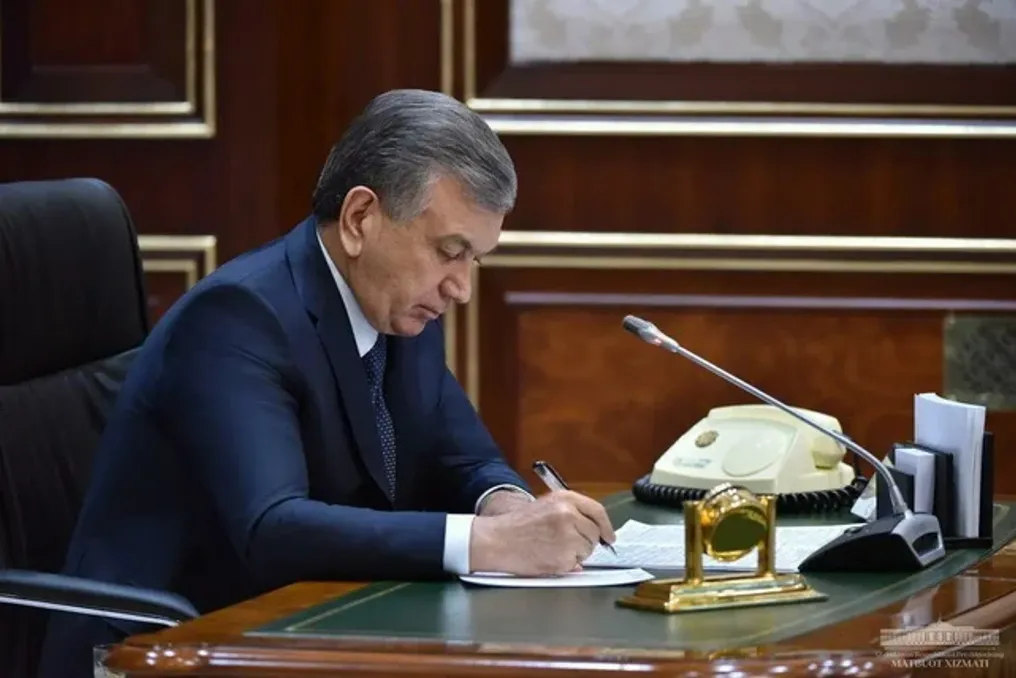
The President of Uzbekistan signed a decree that establishes a number of measures to enhance financial stability in the cotton textile sector and provides additional support for deep fiber processing (PP-246).
The Ministry of Justice reported that the document contains a set of state support measures for this sector. These measures include subsidies, compensation for part of the interest expenses on loans, as well as accelerated VAT refund.
According to the decree, in 2025, cotton textile clusters and enterprises created by them and growing raw cotton on designated land plots will be eligible for a subsidy of 3 million soms per hectare. To receive this subsidy, confirmation must be obtained from the Agency for Space Research and Technology (Uzkosmos) that the raw cotton was indeed grown within the specific boundaries provided by the Ministry of Agriculture.
The document also provides for the allocation of subsidies for projects related to the production of dyed fabric, as well as blended and dyed yarn, implemented before June 1, 2026. These funds will be drawn from the remaining balance of funds previously allocated for subsidizing the purchase of dyeing equipment, according to the amounts set by Presidential Decree No. UP-53 dated January 21, 2022.
Furthermore, until July 1, 2027, cotton textile clusters and textile enterprises with an 'A' category rating or higher in business sustainability ranking will receive a negative VAT deviation refund within 20 days without an audit.
Starting from the 2026 harvest, raw cotton producers will begin receiving compensation for part of the interest payments on preferential loans. This compensation will amount to up to 2.5% if the loan is repaid on time, and up to 5% if it is fully repaid by December 31. For cotton and textile clusters, reimbursement of part of the interest on commercial loans taken out for the purchase of raw cotton is provided, specifically the portion of the interest rate exceeding 8% per annum but not exceeding 16%.
As of September 1, the Agro-sphere Payments Agency will begin compensating farmers for part of the costs of electronic invoices issued when selling cotton. Additionally, cotton textile clusters and textile enterprises will reimburse part of the costs incurred when purchasing raw cotton using their own funds.
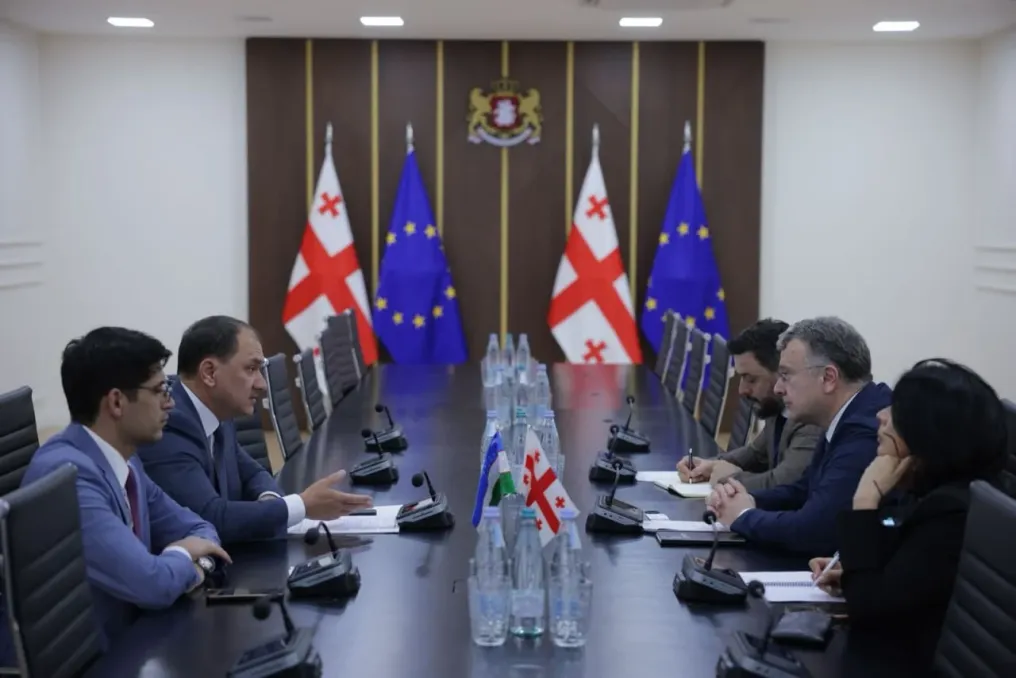
Uzbekistan and Georgia have reached an agreement to expand interaction in the agricultural field. These agreements were concluded during a working trip of the Uzbek delegation to Georgia, led by Deputy Minister of Agriculture Kakhramon Yuldashev.
During the visit, a meeting took place between Kakhramon Yuldashev and the Deputy Minister of Agriculture of Georgia, Lashe Dolidze. The parties discussed the potential for joint work in areas such as viticulture, winemaking, olive cultivation, combating land degradation, and digitalization of water resource management.
As a result of the negotiations, preliminary agreements were reached on the formation of a joint working group under the ministries of agriculture of both countries. It is planned that the first meeting of this group will take place on the territory of Uzbekistan.
Participants in the meetings expressed confidence that the reached agreements will contribute to the development of practical cooperation in the agrarian sector and expand the exchange of experience between Uzbekistan and Georgia.