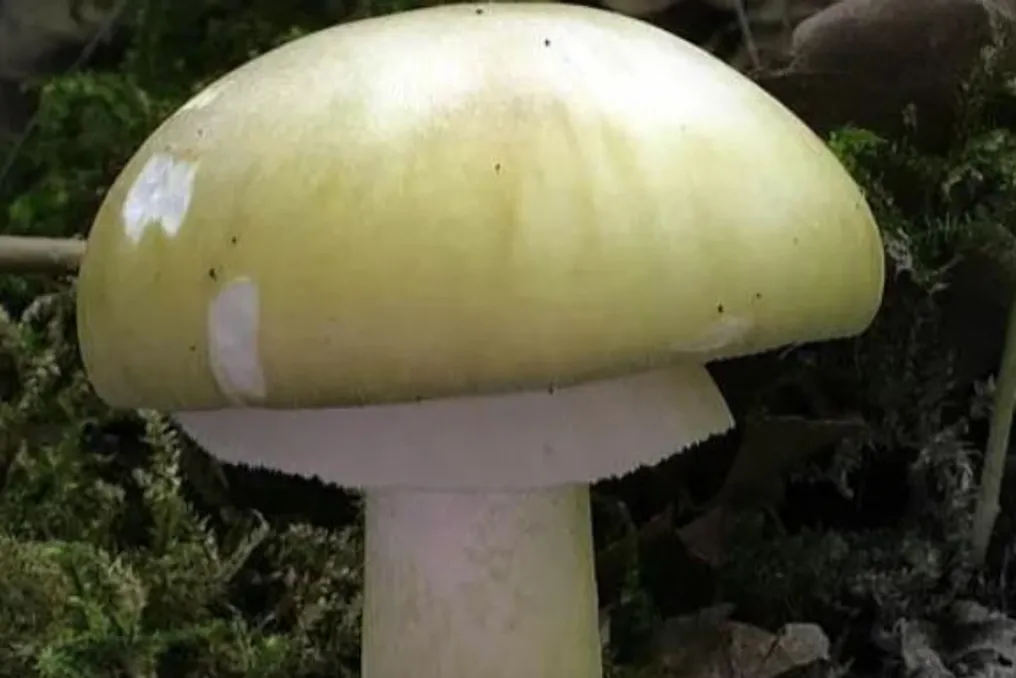
Due to the noted increase in cases of 'Death Cap' mushroom poisoning in the Western Cape, the Department of Health and Wellness strongly recommends that the public refrain from consuming wild mushrooms. Even a single bite can be fatal.
Risks of consuming wild mushrooms
As the rainy season has led to an abundant appearance of mushrooms throughout the province, this warning takes on particular significance. The Department warns that wild mushrooms are now frequently found in gardens, parks, vineyards, and forests. Experts emphasize that it is impossible to determine a mushroom's safety based solely on its appearance, even if some species look harmless or resemble edible counterparts.
Danger of the 'Death Cap'
One of the most dangerous species is the 'Death Cap' mushroom (Amanita phalloides), which is considered one of the most poisonous in the world. Consuming even a small amount of this mushroom can cause severe liver failure and lead to death. Toxins remain deadly even if the mushroom has been cooked, dried, or frozen.
Signs of poisoning and symptoms
The description of the dangerous mushroom includes a smooth olive-green or yellowish cap (color can range from pale green to almost white), white gills under the cap, a white stalk with a ring-like rim, and a cup-shaped sac (volva) at the base of the stalk, which is often hidden under soil or fallen leaves. Symptoms of poisoning usually appear six to twenty-four hours after consumption and include severe vomiting, diarrhea, and abdominal pain. After these signs appear, the person may seem recovered, but this is deceptive, and urgent medical intervention is still required to prevent organ damage or death.
Increase in incidents
Carin Marx, Director of the Tigerberg Poison Information Centre, expressed serious concern over the recent rise in poisoning cases. She noted that previously the National Poison Hotline received only one or two confirmed cases of 'Death Cap' poisoning annually across South Africa. However, five confirmed cases have been registered in the last two weeks, all of which occurred in the Western Cape.
Expert advice
Marx also stated that there is no reliable home test to distinguish between edible and poisonous mushrooms, and even experienced foragers can mistakenly identify a deadly mushroom as edible. Her advice is simple: do not collect or eat wild mushrooms unless they have been unequivocally identified as safe by a recognized mycologist. If mushroom poisoning is suspected, Marx insists: 'Do not wait for symptoms to develop. If someone has eaten a wild mushroom, seek medical help immediately, even if they look healthy. Early treatment can save a life.'
Vulnerability of children
Dr. Bradley Brown, Director of the Red Cross Hospital Poison Information Centre, specifically highlighted the vulnerability of children. He noted that a mushroom growing in a garden or park might seem harmless but poses a life threat. He urged parents and caregivers to inspect areas where children play and remove wild mushrooms if possible.