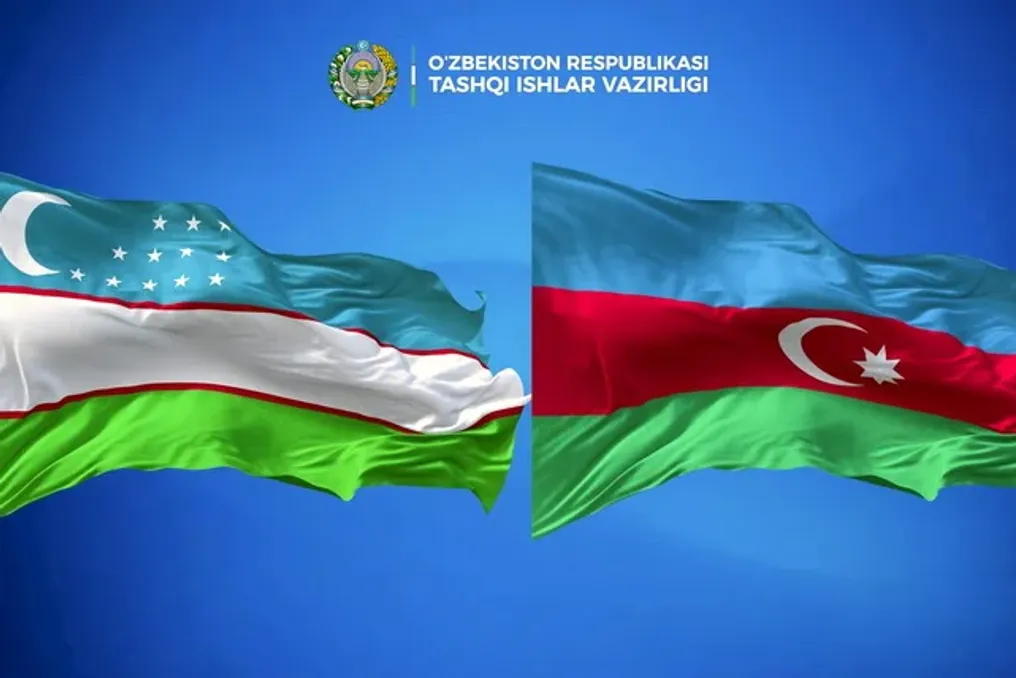
A joint logistics center between Uzbekistan and Azerbaijan is planned. This center will be located on territory fully integrated with the infrastructure of the International Seaport of Baku.
A joint logistics center between Uzbekistan and Azerbaijan is planned. This center will be located on territory fully integrated with the infrastructure of the International Seaport of Baku.
Details of this project were presented by the Deputy Minister of Investments, Industry, and Trade of Uzbekistan, Hurarm Teshabaev, in an interview with the Azerbaijani publication Report.az. According to the deputy minister, this center will be directly connected to Azerbaijan's railway network and major international transport routes connecting Central Asia, the South Caucasus, and Europe.
Teshabaev specified that the logistics center will perform a number of functions, including cargo consolidation, storage and goods processing, multimodal container transit, as well as accelerated customs and transit clearance.
The relevance of this project increases against the backdrop of the implementation of the China–Kyrgyzstan–Uzbekistan railway route. The deputy minister believes that this railway will significantly increase the volume of cargo flow from China and Central Asia towards the Caspian region. Under these conditions, the Port of Baku is intended to become a key transit hub for subsequent delivery of goods to European markets via the Middle Corridor.
Teshabaev emphasized that the implementation of the project will help optimize logistics processes, reduce delivery times along the Tashkent–Baku route, and increase the overall competitiveness of transport operations. He noted that he views this initiative not only as a bilateral undertaking but also as an important element of the emerging Eurasian transport architecture aimed at strengthening ties between Asia and Europe.
The Minister of Transport of Uzbekistan, Ilhom Makhamov, stated in an interview with the channel O‘zbekiston 24 that Uzbekistan intends to establish its own port infrastructure in Georgia and fully transition to an electronic system for exchanging permits for international road transport.
These new agreements were reached during the state visit of the President of Uzbekistan, Shavkat Mirziyoyev, to Georgia last week. One of the most important outcomes of the negotiations was an agreement on the full transition to a digital system for exchanging road transport permits, which will apply to both bilateral transit between the two countries and transport involving third countries.
Makhamov noted that implementing the electronic system will ensure procedural transparency, reduce document processing time, and create additional conveniences for participants in the transport market. According to the minister, more than 60% of Uzbek carriers currently use the Georgian route for international shipments.
Furthermore, the parties reached an agreement with the management of Georgian Railways to expand the tariff discount system. Previously, a discount of up to 70% applied exclusively to container transport along the CASCA+ international transport route connecting six countries; now, the tariff reduction will also be extended to other types of railway wagons.
During the meetings, special attention was paid to the development of maritime logistics. Makhamov reported that Uzbekistan and Georgia agreed to create specialized Uzbek infrastructure in Georgian seaports. To implement this project, a consortium of major forwarding companies is planned, which will cooperate with Uzbek exporters and importers in the construction of port infrastructure facilities.