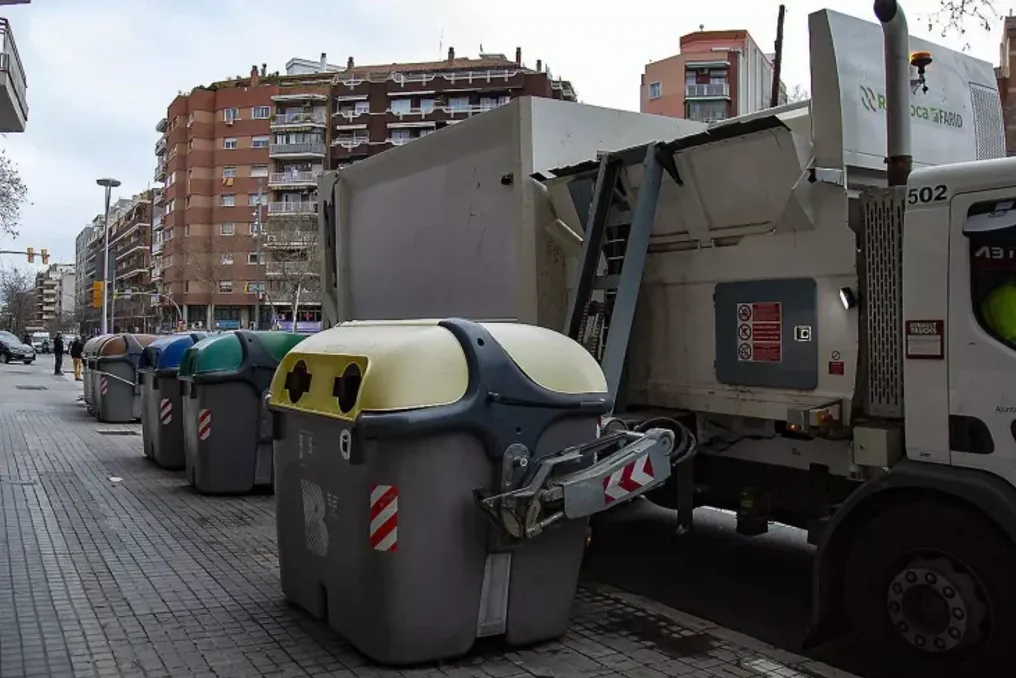
Jordi Molina, a garbage truck driver with 35 years of experience in Barcelona, describes the early mornings in the Catalan capital as an increasingly hostile environment, characterized by disorder, illicit substance use, and disregard for traffic rules.
Routine and Daily Challenges
Molina, who inherited the profession from his father, starts his shifts around 10 PM, leaving from the Free Zone to provide services to CLD, one of the four companies responsible for waste collection in the city. Among the daily challenges, he points to the lack of consideration from cyclists, electric scooter users, and ride-share drivers, who frequently disobey signage and invade the heavy vehicle's maneuvering area. This problem, according to the driver, has intensified since the pandemic period.
Reports of Nighttime Disorder
Molina's most serious reports focus on neighborhoods such as Raval and Poblenou. He reported encountering extreme situations, such as people defecating, urinating, or having sexual relations in public streets, individuals under the influence of drugs in front of him, and intoxicated people trying to climb onto the truck. The driver correlates part of this behavior with the social disparity between districts, observing a greater concentration of people in the streets starting from Avenida Diagonal, although he acknowledges that this analysis might be perceived as classist.
Safety and Health Data
Molina's concerns echo Barcelona's safety data. According to information from the Ministry of the Interior released by the Spanish press, there was an approximate 6% drop in crime in the city compared to 2024, however, significant increases were recorded in drug trafficking (27%), incidents involving bladed weapons (23%), and sexual assaults (4.4%). Furthermore, a municipal survey indicates that a portion of residents feel more vulnerable due to the growth of crime and the perception of reduced policing.
Working Conditions and Complaints
Molina's workday starts at noon, resulting in only six or seven hours of sleep. He has always felt that he worked with great freedom during night shifts, but the rotating weekend shifts are the most difficult because they require the worker to be very agitated, preventing rest. At each stop, with the help of two monitors and four cameras, he manages to unload over 2,000 liters of trash in a few seconds. The constant tension generated by the work has begun to impact his health, causing anxiety episodes. Currently responsible for a fixed route in the Les Corts district, he demands greater recognition for his category, which he considers vital but is often seen as an obstacle to urban flow. He emphasizes that without his work, there would be a serious risk of rat and disease proliferation, something that not everyone understands.