A delegation from the Tax Committee of Uzbekistan is participating in the meeting of the Working Group on implementing taxpayer-oriented principles in the activities of tax services of CIS member states. The event is taking place in the city of Ufa.
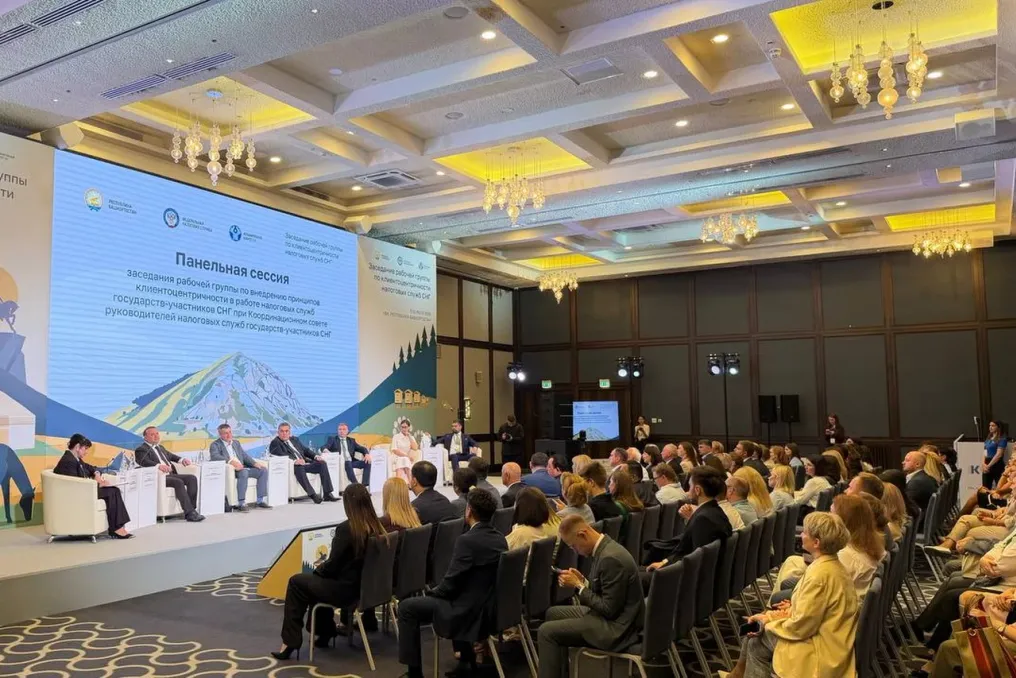
A delegation from the Tax Committee of Uzbekistan is participating in the meeting of the Working Group on implementing taxpayer-oriented principles in the activities of tax services of CIS member states. The event is taking place in the city of Ufa.
The opening ceremony was attended by the Head of the Republic of Bashkortostan, Rady Khabirov, the leadership of the Federal Tax Service of the Russian Federation, representatives of the CIS Executive Committee, as well as heads and representatives of the tax administrations of the Commonwealth countries.
During the meeting, issues regarding the application of taxpayer-oriented approaches in tax administration, the development of digital services, the use of artificial intelligence technologies, and the improvement of interaction mechanisms with taxpayers and staff training were discussed.
It was noted that the Republic of Bashkortostan is one of the leading regions in Russia for implementing modern digital solutions and taxpayer-oriented practices in public and tax administration. Participants also emphasized the significant potential for further cooperation between Uzbekistan and the Republic of Bashkortostan.
Among the promising areas identified were the development of trade, economic, and tourism ties, the exchange of experience in the field of digital transformation of public services, and the improvement of tax administration.
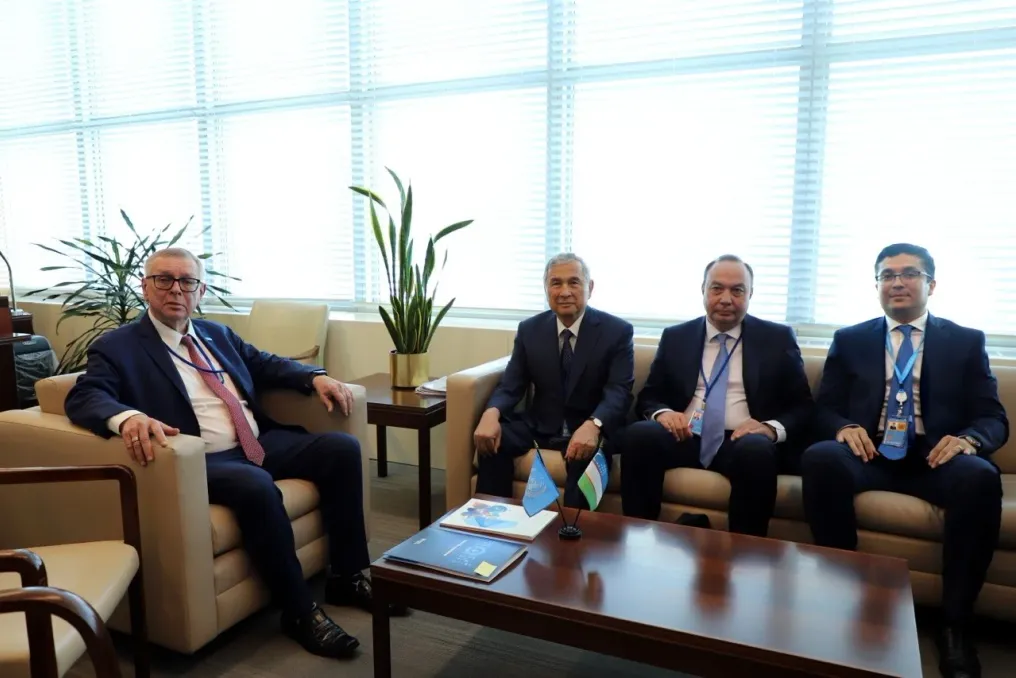
As part of the UN Week on Counter-Terrorism, the delegation of the Republic of Uzbekistan, led by B. Tursunov, First Deputy Head of the State Security Service, met with Alexander Zoyev, Assistant Secretary-General and Acting Head of the UN Office of Counter-Terrorism (UNOCT), on June 29, 2026, in Tashkent.
The parties highly praised the dynamic of cooperation and the successful implementation of joint projects. These programs include improving the qualifications of law enforcement officers, countering the use of new technologies by terrorists, and preventing terrorist financing.
Participants paid special attention to the prospects of establishing an International Competence Center for the Rehabilitation and Reintegration of Persons Returned from Conflict Zones. This initiative was proposed by the President of Uzbekistan, Shavkat Mirziyoyev, during the UN General Assembly session on its 80th anniversary in September 2025.
It was noted that this structure, building on the successful experience of Central Asia, could become a global knowledge platform for developing flexible rehabilitation strategies. The Center is expected to focus on training and professional development of specialized personnel, creating educational and career paths for returning citizens, as well as implementing measures for the prevention and preemptive counteraction of extremism.
During the meeting, a new cooperation plan between Uzbekistan and the UN Office of Counter-Terrorism for the period 2026–2027 was signed. This document marks a transition to a new stage of strategic partnership and will provide Uzbekistan with extensive expert and technical support in the fight against terrorism.
In New York, the Uzbek delegation also held talks with Natalia German, Executive Director of the UN Counter-Terrorism Committee (CTED) Secretariat, to discuss joint security initiatives.
Specifically, the parties considered the possibility of joining the Institute of Strategic and Regional Studies (ISRS) under the President of the Republic of Uzbekistan to the CTED Global Research Network. It was emphasized that this would provide full access to research from leading global analytical centers in the field of counter-terrorism.
At the conclusion of the meetings, the parties stressed the importance of continued close interaction in combating the terrorist threat.
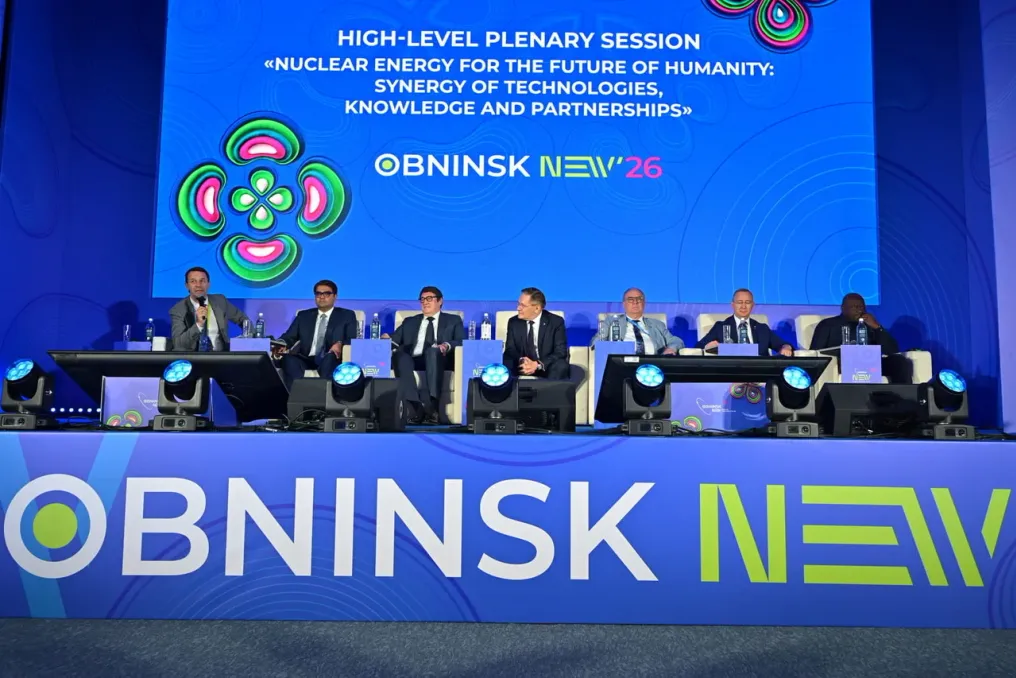
A delegation from Uzbekistan, led by Azim Ahmedhadyiev, Director of the Atomic Energy Agency under the Cabinet of Ministers of the Republic of Uzbekistan, attended the International Youth Nuclear Forum "Obninsk NEW." The event took place in Obninsk, Russia, and gathered over 500 young specialists, students, and representatives of the nuclear industry from 70 countries worldwide.
The forum coincided with the 72nd anniversary of the launch of the world's first nuclear power plant, which began operations in Obninsk on June 26, 1954. The event served as an international platform for exchanging experience, discussing prospects for the development of nuclear energy, and strengthening cooperation among young leaders and industry specialists.
Official delegations from ten countries, along with representatives from international organizations, the scientific community, educational institutions, and nuclear industry enterprises, participated in the forum. Thousands of additional students joined the forum's events online through a network of partner platforms.
The central theme of the forum focused on the role of youth in the development of high-tech industries and shaping the future of global nuclear energy. The program included discussions on international youth cooperation, training the next generation of engineering personnel, promoting scientific research, and implementing innovative technologies.
Azim Ahmedhadyiev, Director of the "Uztom" Agency, delivered a presentation at the main plenary session titled "Nuclear Energy for the Future of Humanity: Combining Technology, Knowledge, and Partnerships." Participants discussed the importance of international partnership for the sustainable development of the nuclear industry, the training of qualified specialists, and the application of advanced technological solutions.
Special attention was paid to expanding the applications of nuclear technologies. Within thematic panel discussions, experts examined the prospects for the development of nuclear medicine, quantum technologies, and modern nuclear education, as well as their contribution to improving the quality of life and achieving sustainable development goals.
The forum venue also served as a meeting place for young representatives and leaders of relevant agencies and organizations from various countries. Participants included representatives from Kazakhstan, Uzbekistan, China, Rwanda, Hungary, Vietnam, and South Africa, as well as leaders of international scientific and industrial organizations, including the International Atomic Energy Agency (IAEA).
A special session was held during the forum dedicated to developing a Youth Declaration on Nuclear Cooperation. Participants presented the collection "Living Principles," reflecting the vision of the younger generation regarding the development of international cooperation in the nuclear sphere. The delegation from Uzbekistan also participated in this discussion.
The "Obninsk NEW" forum confirmed the high level of youth interest in the nuclear sector and became an important platform for establishing new international partnerships, exchanging knowledge, and promoting innovative initiatives in the peaceful use of nuclear energy. The event was organized with the support of the State Atomic Energy Corporation Rosatom, the Government of the Kaluga Region, and the National Research Nuclear University MEPhI.