According to GoSolr, consumers in South Africa are facing rising electricity tariffs and fixed bills, which undermines energy-saving efforts and reduces the appeal of using solar systems.
According to GoSolr, consumers in South Africa are facing rising electricity tariffs and fixed bills, which undermines energy-saving efforts and reduces the appeal of using solar systems.
The electricity crisis in South Africa has entered a new phase: households are suffering not only from power outages but increasingly from rising costs. This makes reducing electricity consumption a less effective way to lower monthly bills.
GoSolr's latest quarterly report, titled Light Paper, warns that the country's energy problem has transformed into an accessibility crisis caused by tariff hikes, increased fixed charges, and inconsistent municipal pricing structures.
The report states that electricity tariffs have increased by over 1100% since 2007. To this have been recent price increases from Eskom of 8.76%, followed by another 8.83%. Municipal customers often pay even more after local surcharges are applied.
GoSolr notes that one of the most serious issues is the sharp rise in fixed charges. This means consumers are forced to pay significant amounts just to be connected to the grid, regardless of how much electricity they consume.
The report emphasized that reducing electricity consumption no longer guarantees substantial savings, especially for small businesses and middle-income households who are already under financial strain. Furthermore, electricity bills do not reflect the full cost of the entire South African energy system.
In addition to the cost of consumed electricity, consumers indirectly finance grid infrastructure, system losses, electricity theft, unpaid bills, emergency diesel generation, and various municipal surcharges. Many families also incur extra costs due to backup power sources, damaged equipment, and reduced productivity during power interruptions.
Andrew Middleton, CEO of GoSolr, stated that South Africa's power supply system remains strained despite improvements in supply stability. He noted: 'South Africa's energy system is under pressure, but it is not hopeless.'
Middleton believes that the current situation is a result of outdated pricing models that aim to maintain the status quo and protect revenue, rather than adapting to the rapidly changing energy landscape. Although there have been fewer outages in South Africa in recent months, Middleton cautioned that stability itself is not a success if electricity continues to become less accessible.
He added: 'The system is currently sending wrong signals, encouraging inefficiency and punishing progress, while subtly redefining electricity as something not everyone can afford.'
The report revealed significant differences between municipalities, indicating that inconsistent tariff structures create inequality across the country. Cape Town was mentioned as an example of a relatively balanced approach with moderate increases in fixed charges and an optional time-of-use tariff structure. Meanwhile, Johannesburg was presented as an example of how pricing structures can put consumers at a disadvantage, as some households reported fixed charges of up to 1761 South African Rand per month before consuming a single unit of electricity.
GoSolr also warns that current pricing structures may discourage the installation of rooftop solar panels and battery storage when South Africa should be encouraging broader distributed power generation. The company argues that penalizing customers who invest in self-generation could contribute to what they call a 'slow price spiral decline,' where reduced consumption forces utilities to further raise tariffs to recoup revenue.
To address accessibility, GoSolr calls for greater transparency in electricity pricing, a clear separation of infrastructure and consumption costs, standardized rules for embedded generation, and reforms to municipal financing models that reduce reliance on electricity sales. Middleton concluded that South Africa has a chance to build a more resilient and inclusive energy system if policymakers align incentives with changing consumer behavior.
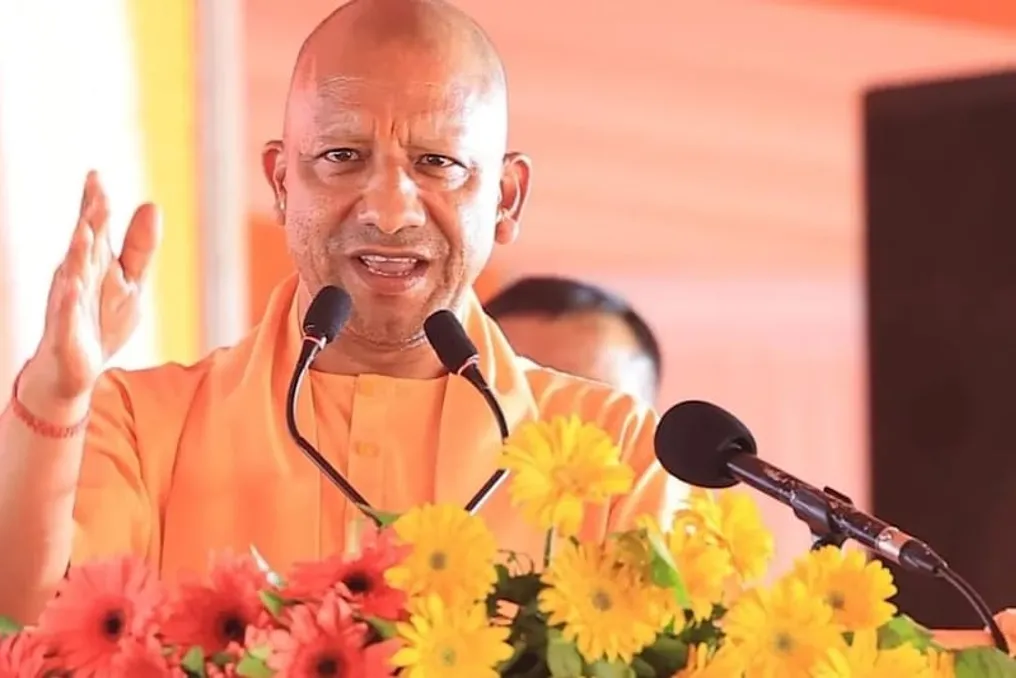
The government of Uttar Pradesh has made a significant decision aimed at stimulating the use of electric vehicles (EVs) and encouraging the maximum adoption of solar energy. Now, during designated solar hours, from 9 AM to 4 PM, a 20 percent discount will be provided on EV charging tariffs in the region.
According to the government, this measure helps increase the number of electric vehicle users and accelerates the transition to clean energy. Energy Minister Arvind Kumar Sharma announced this during a press conference on Friday, emphasizing that the state's goal is to ensure the maximum utilization of cheap solar energy available during the day.
The minister noted that this step will not only strengthen the EV charging infrastructure but also be important in protecting the environment and promoting green energy. He also mentioned that under the leadership of Chief Minister Yogi Adityanath, the state of Uttar Pradesh is constantly setting new records in terms of electricity production, supply, and consumer interests.
Arvind Kumar Sharma stated that for the seventh consecutive year, there have been no increases in electricity tariffs in the state. Existing tariffs remain unchanged for all categories of consumers, which provides relief to poor sections of the population, farmers, households, and other consumers. He added that Uttar Pradesh is among the states in the country with the lowest electricity tariffs and the best quality of power supply.
Recently, the state set a new national record by successfully meeting the highest electricity demand—32,673 megawatts. According to the energy minister, unlike previous governments when thermal generation was limited to approximately 5,180 megawatts, work is now actively underway to increase production solely through solar energy. Solar parks with a capacity of about 4,000 megawatts are currently being developed, and under the 'Prime Minister's Solar Adoption Home' program, capacity development of about 2,500 megawatts is planned.
Furthermore, work is actively underway on new thermal power plants in Mirzapur, Medh, and other areas. The government has also significantly improved the efficiency of old thermal power plants. If these plants previously operated at a Plant Load Factor (PLF) of about 65 percent, their efficiency has now increased to almost 85 percent. Arvind Kumar Sharma expressed confidence that under the leadership of Chief Minister Yogi Adityanath and guided by Prime Minister Narendra Modi, Uttar Pradesh is moving towards self-sufficiency in the energy sector and strengthening its reputation as a model state for the country in terms of power generation, green energy, and uninterrupted supply.
Although South Africans are facing far fewer power outages compared to previous years, many households are noting an increase in electricity bills.
These increases occur despite improvements in energy supply and a sharp reduction in outages. Eskom reported that in March, South Africa reached 300 days without power cuts, and the average number of unplanned interruptions decreased by 53% compared to the same period last year. The improved performance helped Eskom achieve financial turnaround, and Reuters reported the company's first annual profit in eight years. However, NERSA states that the approved tariffs are part of the framework for Eskom's regulated revenue recovery to cover approved expenses.