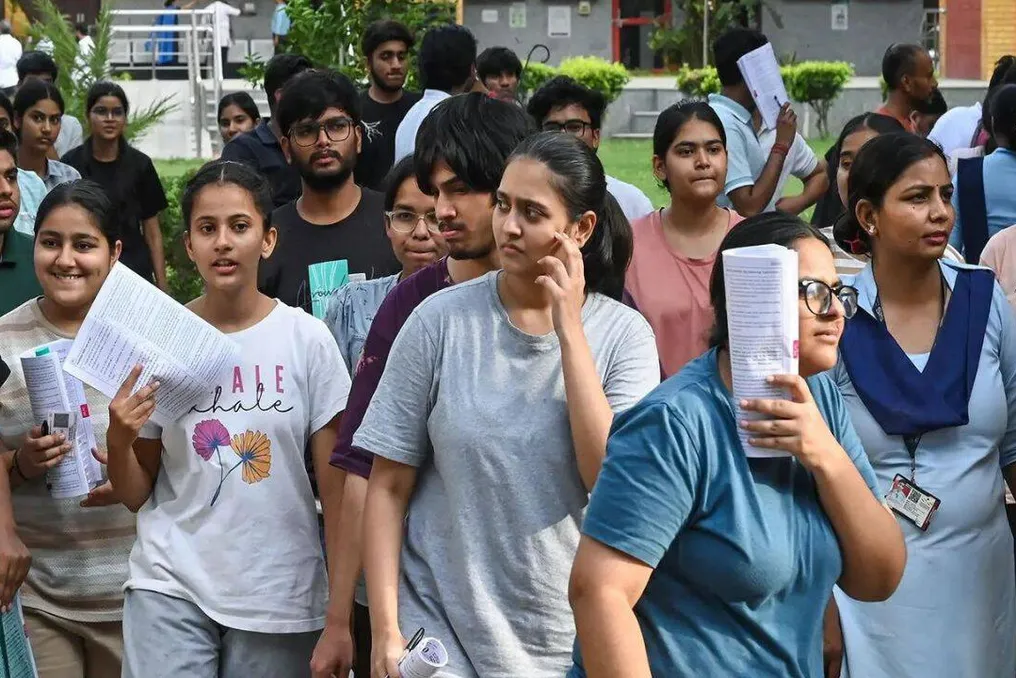
Information about the upcoming changes is important for applicants preparing for NEET-UG and their parents. The government plans to conduct a large-scale reform of the entire examination system, which is a significant transformation.
New Examination Schedule
According to media reports and sources from the Ministry of Education, the National Testing Agency (NTA) is developing a special plan for NEET. Instead of the traditional format where 22-23 million students took the exam in one day in one session, this approach will be abolished starting with NEET UG 2027. The new plan provides for conducting the exam not in one day, but over five to six days, dividing it into multiple sessions on different days.
Transition to Computer Test
The second key element of this plan is the shift from a paper test to a computer-based test (CBT). This is being done to minimize the risk of material leakage that exists when using OMR sheets and printing tests. With CBT, the test remains completely 'digitally locked' and opens on the student's screen only a few minutes before the exam begins, minimizing the probability of leaks.
Change in Examination Center Structure
To address issues of malpractice previously recorded in private schools and colleges, the government is reducing the number of examination centers from 5000 to 1000. These new centers will be located exclusively in reliable government institutions, such as Central Schools and Navodaya schools.
Implementation of Normalization Process
To alleviate student concerns regarding potential unevenness in exam difficulty, NTA will apply a 'normalization process.' This method is similar to what is used in JEE Main and assesses not the absolute score, but the student's percentage relative to the results of other participants in their session, ensuring fairness.
Retention of Curriculum
It is important to note that the curriculum for Physics, Chemistry, and Biology will remain unchanged. However, students will need to start practicing with computers instead of filling out bubbles. These reforms are based on the recommendations of Committee K. Radhakrishnan, former head of ISRO, with the aim of improving the entire NTA system by October 2026.