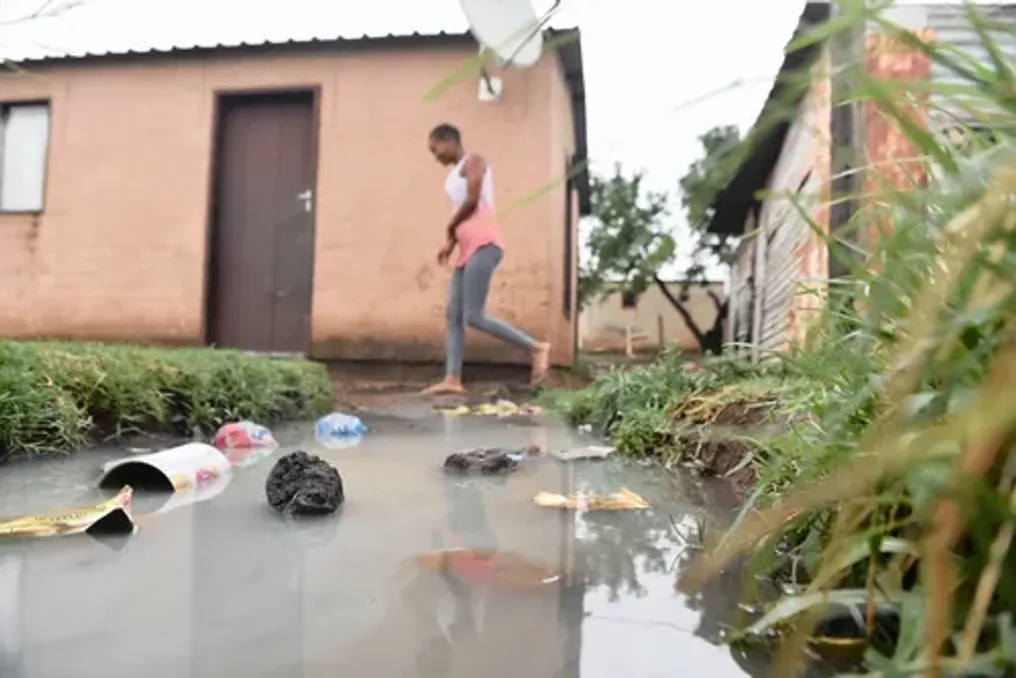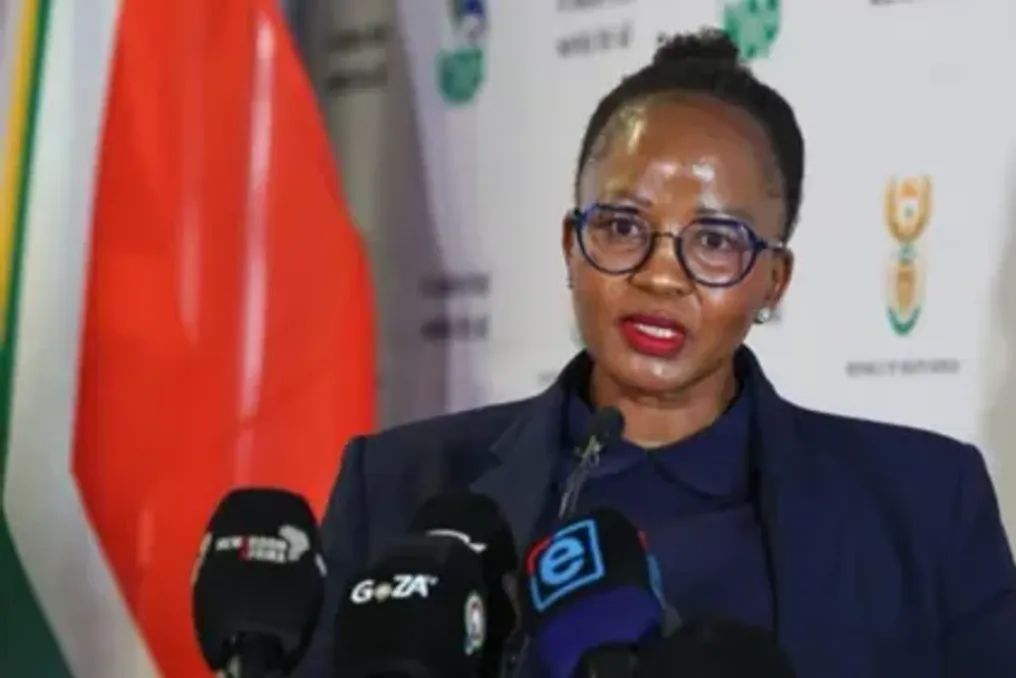
The National Treasury has announced the suspension of equal share transfers amounting to 13.5 billion rands for 69 municipalities that failed to comply with financial norms and other financial management requirements. This decision was made as part of efforts to implement financial discipline.
Conditions for Resuming Payments
According to Ogalaletsenga Gaarekwe, Deputy Director General of the National Treasury, the withheld funds can be transferred to the affected municipalities within a week or a month, provided the respective councils demonstrate compliance with the requirements. The total equal share for municipalities in the new fiscal year amounts to 110 billion rands, of which only 13.5 billion has been frozen.
Reasons and Control Measures
Gaarekwe made this statement after the department reported on Monday the suspension of transfers to ensure proper management of public funds, eliminate unauthorized, irregular, fruitless, and wasteful expenditure (UIFWE), and hold municipal officials and officers accountable if provided for by law. Funds will be released once the municipalities provide proof of meeting the established conditions.
She specified that after receiving the documents, a portion of the funds, likely one-third, will be allocated so that municipalities can repay debts to creditors according to agreements. The time required to unblock the funds depends on the promptness of the municipalities themselves, which may take from a week to a month.
Notification Process and Deadlines
The first batch of letters was sent to 99 councils on June 22 and 23. As a result, 30 councils responded appropriately, and their funds were not frozen. The Chief Director for Local Government Budget Analysis, Jan Hattingh, stated that the councils were given seven days to respond, and only 69 failed to provide the necessary documents. Legislation provides a maximum period of 120 days for fund unblocking, but according to Hattingh, no more than 30 days have passed during this entire period.
The National Treasury has been sending notifications to municipalities since 2015. Gaarekwe noted that in recent years, the number of municipalities with frozen transfers had been decreasing, but in August 2025, it sharply increased to 75. She expressed hope for a reduction in the number of affected municipalities in the near future.
Consequences and Support
Gaarekwe emphasized that the constitutional provision used to suspend transfers was applied as a last resort, as they do not wish to do so constantly while waiting for behavioral change. Municipalities were required to commit to unpaid budgets, sign payment plans with creditors, and develop strategies to reduce unauthorized expenditures.
Meanwhile, departments that do not pay municipalities will soon face similar measures. Finance Minister Enoch Godongwana notified Parliament of the intention to suspend equal shares to departments that owe municipalities 15 billion rands for unpaid tariffs and water and electricity services. Gaarekwe reported that national departments were sent letters in February warning of transfer suspensions, and provincial departments in April, with a response deadline of May 29.
She also mentioned the large number of disputed amounts claimed by municipalities, insisting that a payment plan should be provided for non-disputed accounts, and that funds should be paid in the current year, not stretched over several years. The Minister made it clear that disputed amounts must be settled within three months, as 'one cannot argue forever.'
Objective and Assistance to Municipalities
Gaarekwe stated the aim is to correct behavior across all spheres of government, emphasizing the need to establish the habit of paying creditors. She affirmed the seriousness of the National Treasury regarding legal compliance, noting the importance of adherence to current legislation at all three levels of government.
Gaarekwe assured that the suspension of funds would not affect the provision of public services. Municipal budgets amount to about 750 billion rands, while the National Treasury transfers less than 200 billion rands to them annually. She noted that municipalities have a greater capacity to increase revenue from the Constitution than provinces, which collect less than 30 billion rands per year, whereas municipalities collect almost 500 billion rands from their own revenues.
Hattingh reported that similar actions against councils failing to meet debt obligations to water companies yielded positive results. He noted that through joint action with the Department of Water and Sanitation, two water companies on the verge of closure were saved and continue to operate. He added that the intervention resulted from findings by the Auditor-General's office regarding some councils adopting unpaid budgets. Part of the work involves assisting municipalities in preparing funded budgets and solving planning problems in advance, as poor planning and overspending are considered unauthorized expenditures.
National Treasury staff detailed the support provided to municipalities on a financial level. Hattingh stated that they collaborate with provincial treasuries and their counterparts, including SALGA, to help municipalities improve planning and budgeting systems, ensuring proper use of funds and citizen benefit from resources allocated by Parliament.