Apple announced on Thursday an increase in prices for its MacBook computers, iPad tablets, and other products. The reason for this decision is the growing cost of memory and storage driven by the development of artificial intelligence (AI).
Market Reaction and Price Changes
These price increases, which are the first concrete step following repeated warnings from CEO Tim Cook about rising costs, led to a drop in Apple's shares of more than 4.7% during morning trading.
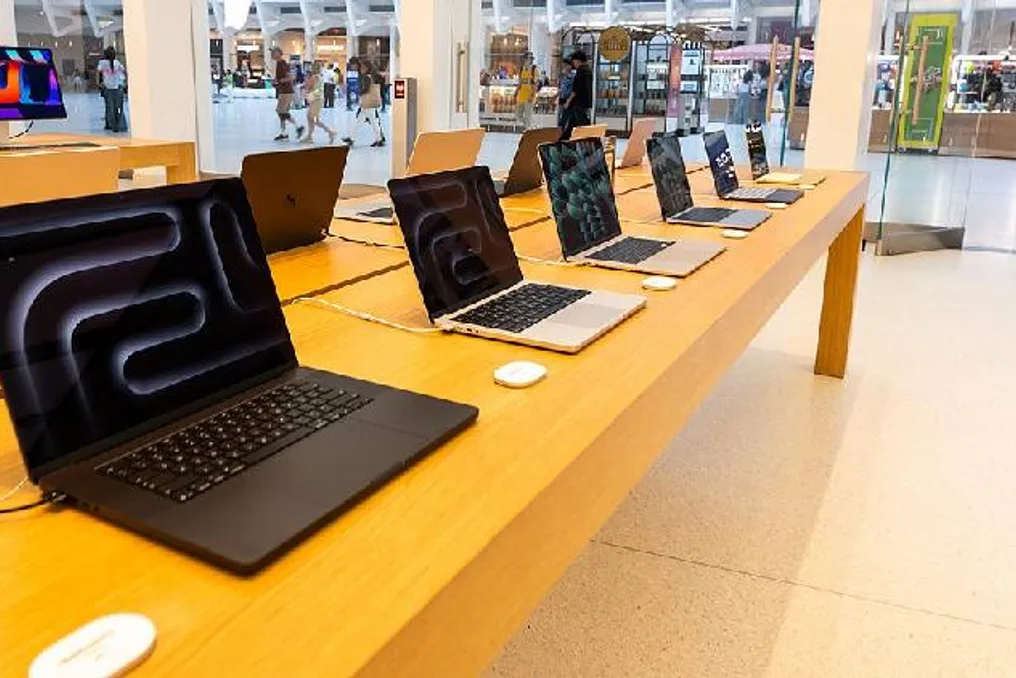
On the American website, the price hikes ranged from $30 to $300. For example, the 14-inch MacBook Pro, previously priced at $1700, now sells for $2000, and the iPad Air increased from $600 to $750. Additionally, the Apple TV streaming device rose from $130 to $200.
Company Stance and Reasons for Increase
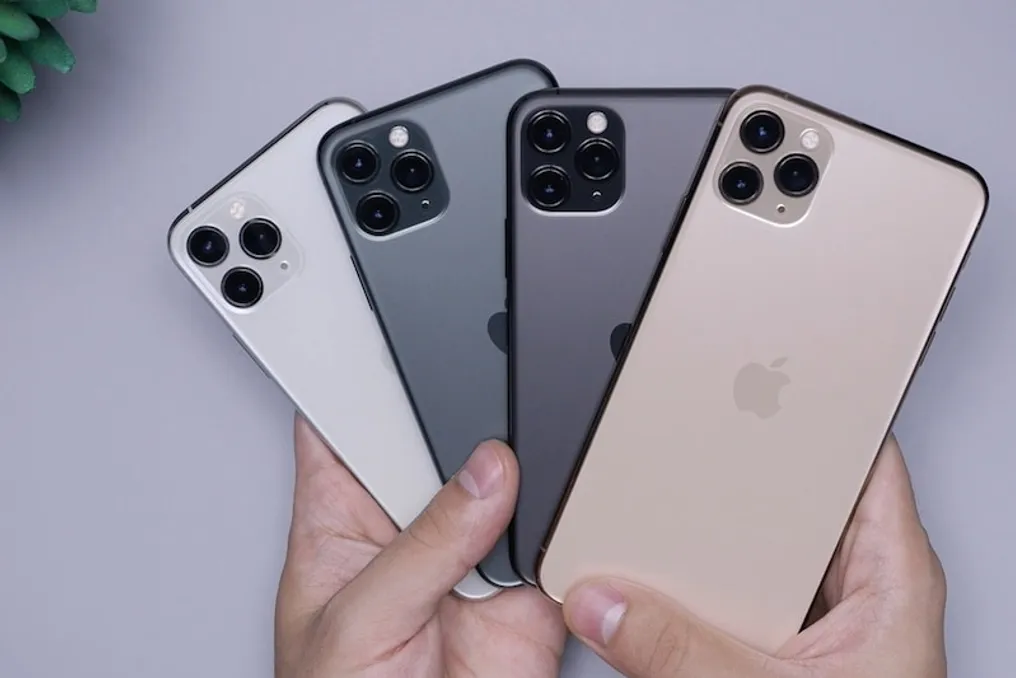
Meanwhile, the price of the iPhone, the company's main source of revenue, remained unchanged. An Apple representative stated in a press release sent to various media outlets that 'the rapid expansion of AI data centers has created an extraordinary surge in demand for memory and storage.'
He added: 'We have never seen such a significant and rapid increase in component prices.'
The Cupertino, California tech giant, which achieved record revenues of $416 billion last fiscal year, insisted that it had been 'protecting its customers from these increases,' but can no longer do so.
Executive Warnings
Last week, Cook paved the way for this by telling The Wall Street Journal that price increases were 'inevitable.' He noted: 'With less supply when consumers want devices, and memory manufacturers passing on huge price increases,' calling the price jump a 'century flood.'
The rapid development of AI data centers has led to a sharp increase in the cost of memory chips and RAM, as these components are used in almost all electronic devices. Since late 2025, the prices for these chips have risen by at least 50% quarterly.
Future of Apple's Leadership
The responsibility for the consequences of these changes at Apple will fall to John Ternus, who will take over as CEO after Tim Cook on September 1st, just days before the presentation of the new generation of iPhones.