Researchers Dr. Blessing Masuku and Dr. Colletta Gandidzangwa are studying how urban farming contributes to feeding the poorest households in Johannesburg while creating greener and more climate-resilient communities.
The Need for Support and Investment
The authors argue that for these community-managed food systems to withstand growing challenges of food insecurity and climate change, additional investment, training, and support are urgently needed.
Urban agriculture, which includes growing plants and raising livestock within city limits, is increasingly recognized and promoted as a solution to food shortages and a way to green cities for climate adaptation. It encompasses vertical growing systems, green roofs, garden gardening, and communal spaces.
Research Methodology
As interdisciplinary scientists, their research interest extends beyond agriculture, economics, geography, and urban studies. Most of their projects focus on the intersection of climate, health, food systems, water, energy, and traditional knowledge systems.
In a recent study, they analyzed how home and community gardening can strengthen household food security while promoting urban greening as a path to climate resilience. They interviewed 40 gardeners from the Alexandria settlement in Johannesburg, South Africa.
Gardening Practices in Alexandria
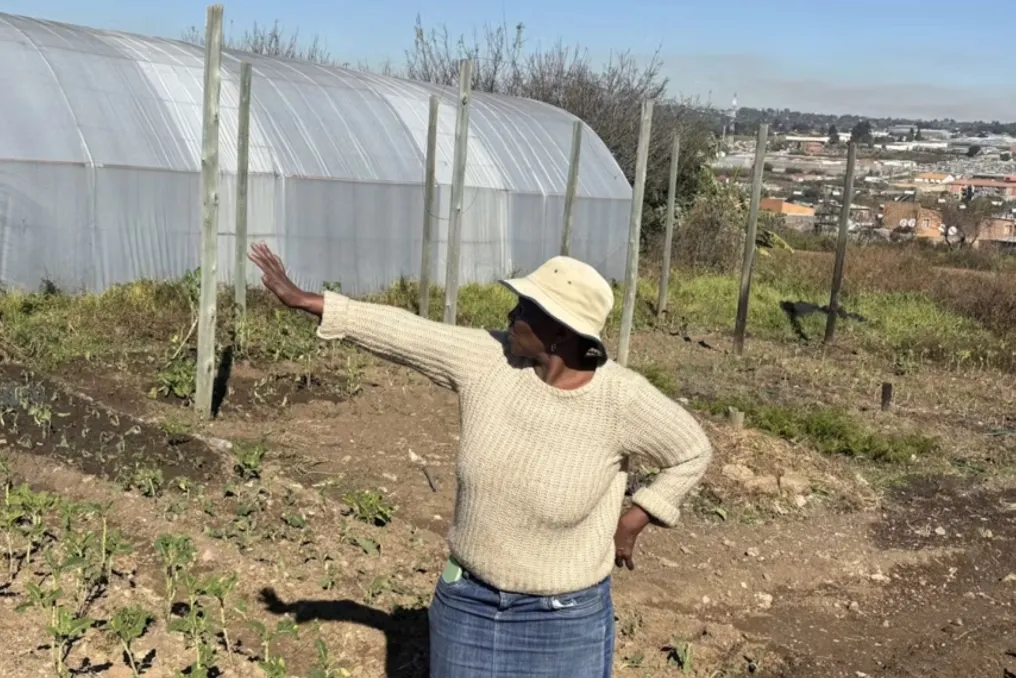
These 40 gardeners cultivate home and kitchen plots, as well as gardens in schools and clinics, and in public cooperatives of up to 20 people. Farmers also use abandoned land and road verges to grow crops.
It was found that most urban farmers are women from various nationalities and ethnic groups who have been doing this for at least 10 years. Community gardens were significantly larger in area than other types of gardens. Smaller gardens yielded modest profits, often limited to vegetables and herbs grown in compact raised beds and containers.
These communities utilize food gardens and plant trees and flowers in public areas to cope with climate and environmental changes. However, they lack the necessary support to respond to intensifying climate shocks. These households and farmers need more assistance to adapt to climate change, including access to funding, training, and basic services.
The Potential of Urban Agriculture
Governments can also strengthen urban agriculture by promoting technologies such as smart irrigation and online markets, alongside organic farming and composting, to improve food production, sustainability, and market access.
Community and Income Benefits
Urban farmers grew leafy fresh vegetables such as spinach, kale, lettuce, pumpkin leaves, sweet potato leaves, and cucumber leaves. They also grew herbs, sweet potatoes, and pumpkins. The study showed that gardening methods in Alexandria benefit the community. As one farmer from the Lenin Drive community garden explained: 'The funny thing is that many city dwellers unfamiliar with our local food plants consider them weeds.'
Most households did not plan gardening with climate change in mind, but many of their practices helped them cope with environmental pressure using natural, low-cost solutions. For example, residents also mentioned using art and culture as practical tools to respond to environmental and climate issues.
The main river flowing through the area (Jukskei) often floods, partly because trash clogs drains and waterways. In response, locals, working with NGOs and researchers, created projects such as trash collection nets and transformed illegal dumpsites into green areas, art installations, and community meeting spots.
Another way of adapting to climate change, as one female farmer said, was by growing flowers and herbs such as mint, African sage, Bambara groundnuts, beans, sweet potatoes, and carrots in a public space that was previously an illegal dump. These crops greened the area and could withstand heatwaves.
Farmers noted that the leafy vegetables they grew alone could not provide the entire food supply. However, they are a useful supplement to the main maize meal dish eaten by most families and can be used as medicine.
Limitations and Future Steps
Gardeners reported that they were limited by the lack of ownership rights to the cultivated land. They mainly farmed in cooperatives on land leased from the municipality. Most surveyed farmers also had plots smaller than a football field for the entire group, which limited the variety of crops they could grow, such as leafy vegetables, tubers, and herbs.
Farmers would like to grow a more diverse range of crops, including maize, rice, and local staples such as sorghum and millet. However, the size of available land made this impossible. Other problems included pest and insect infestations, rainwater scarcity, and the inability to afford irrigation. Fencing was expensive, and vegetables were often stolen from unprotected plots.
The key issue is that many low-income communities and small farmers lack the funding, training, and support necessary to withstand climate shocks. Governments and other stakeholders must invest in helping them develop the skills and resources needed for long-term adaptation.
The study also indicated that further research is needed on the fact that urban agriculture is not just about growing vegetables in cities. It plays a role in providing vital services, from food provision to mitigating climate change and social benefits. For instance, the findings show that urban farming helps people acquire new skills, become more engaged in their communities, and take greater responsibility for local spaces, thereby strengthening community bonds and helping to address hunger and exclusion issues.