Large-scale work is underway in the Urta Chirchik district to develop tourist infrastructure, implement new investment projects, and increase the flow of tourists in recent years. This plays a key role in boosting the district's economic activity, ensuring employment for the population, and developing the service sector.
Current Tourist Base
According to estimates, there are currently 28 service facilities for tourists operating in the district, which have 198 rooms and 616 beds. The majority of these facilities are family guesthouses focused on ecotourism and rural tourism. Additionally, tourists are provided with services from three resort complexes, three hostels, hotels, and sanatorium-pension resorts.
Historical and Natural Heritage
The appeal of Urta Chirchik to visitors is due not only to its natural landscapes but also to its rich historical and cultural heritage. The district has 11 state-protected cultural heritage sites, 7 of which are archaeological monuments and 4 are scenic spots. Local and foreign tourists are particularly interested in the 'Kuk Buloq Ata' sites in Obod village and the 'Kindiktepa' archaeological monument on the shore of the Tashkent Sea near Oltiugil village.
Development of the 'Tashkent Sea'
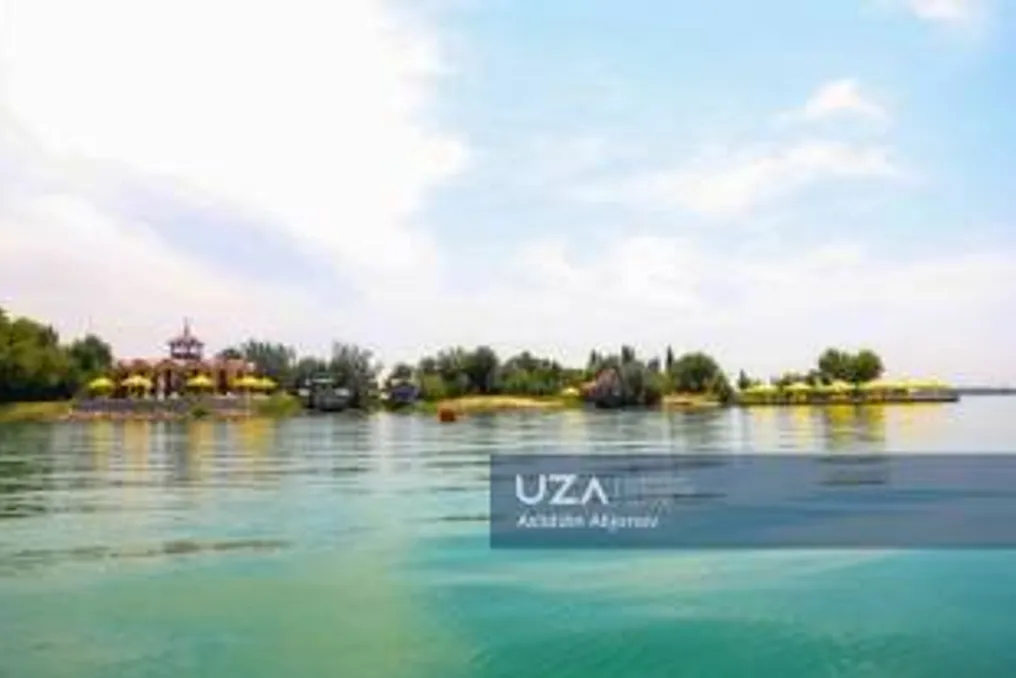
One of the most important factors increasing the district's tourist attractiveness is the Tuyabugiz reservoir, known locally as the 'Tashkent Sea.' In recent years, tourist services in this area have significantly improved. Especially during the summer season when the swimming period begins, the reservoir becomes one of the most visited places for local residents. The expansion of beach areas, opportunities for family recreation, fishing, and ecotourism contributes to the annual growth in the number of tourists.
Investments and Sector Growth
Today, the 'Tashkent Sea' is being shaped not just as a place of recreation, but as a unique tourist brand for Urta Chirchik. The growth in visitor numbers stimulates the development of the service sector, small businesses, and private entrepreneurship. The growth dynamics in the district's tourism sector are clearly visible in examples of investment projects. This year, a modern resort complex worth 32 billion sums is planned to be commissioned, which is being implemented by the 'GOLDEN FISH' company in Burgalik village. Additionally, resort complexes worth 25 billion sums each are being built in Oltiugil village with the participation of 'TEXTILE MILL TASHKENT' and 'ZELAL TEXTILE'. Furthermore, the 'Tashvegas' company is implementing a project for a modern tourist group that includes a hotel, extreme tourism, and fishing. These efforts are vital for improving tourist infrastructure, creating new jobs, expanding the range of services, and forming a more comfortable environment for guests.
Statistics and Forecasts
According to statistical data, in the first quarter of 2026, 12,284 foreign and 50,491 local tourists visited the district. The planned targets for local tourists were met at 115 percent. During this period, the export of tourism services reached 900 thousand US dollars. It should also be noted the steady growth in tourist flow in recent years. For example, in 2023, 41 thousand local and 13 thousand foreign tourists arrived in the district, while in 2024 these figures were 42.1 thousand and 24.5 thousand, respectively. In 2025, the number of local tourists reached 46.3 thousand, and foreign tourists reached 36.8 thousand. These figures demonstrate a constant increase in Urta Chirchik's tourism potential year over year. Notably, only in April of this year, 815 foreign tourists, 15,302 local tourists, and 5,521 domestic tourism participants visited the district. This shows that the tourism sector is becoming one of the key drivers of the economy, making a significant contribution to the development of the service market and the growth of household income.
Overall, historical sites, natural resources such as the 'Tashkent Sea,' and the implementation of new investment projects are transforming Urta Chirchik into one of the most promising tourist regions of the Tashkent region. This creates a solid foundation for the future growth of the region's economy, job creation, and increased volume of tourism service exports.