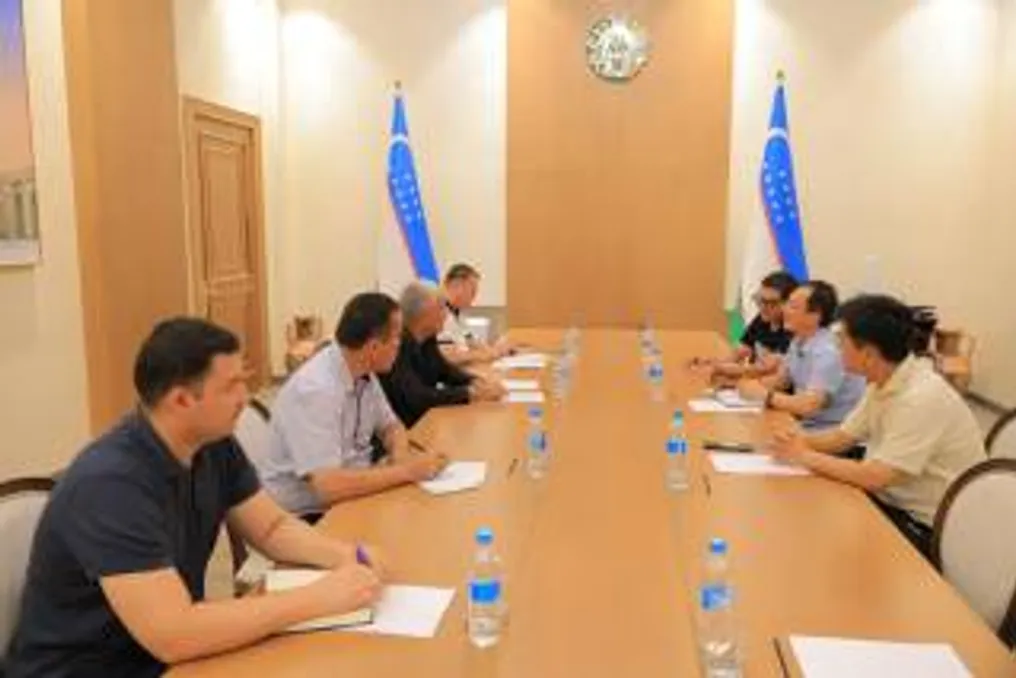
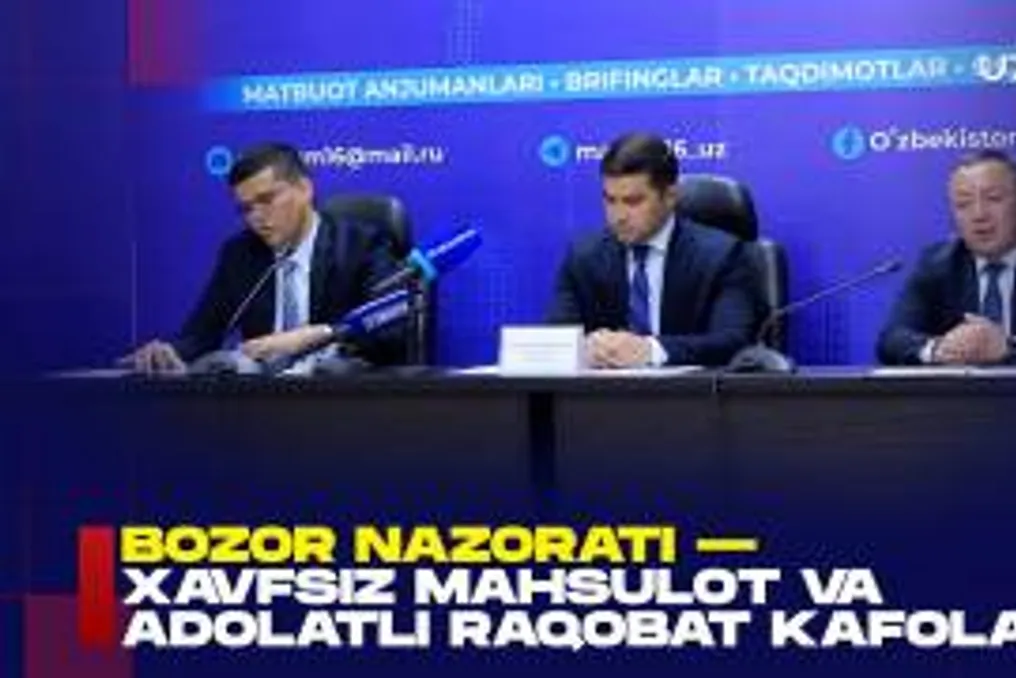
A forum dedicated to market control was held at the National Center for Mass Information of Uzbekistan. The event took place with the participation of representatives from the Technical Regulation Inspection.
Overview of Activities and Reforms
The forum reviewed ongoing reforms in this area, specifically the transition from traditional control procurement to a modern market supervision system. A report on the results of work for January-May of the current year was also presented. The inspection's management emphasized that systematic work is being carried out to ensure product safety and protect consumer rights.
Inspection Results
During the past period, the inspection conducted state supervisory activities in 222 enterprises. In the course of inspections, 252 types of products were examined, and it was found that 214 of them, or almost 85 percent, did not comply with established technical regulations and standards. The total value of non-compliant products exceeded 4.3 billion sums.
Furthermore, the forum specifically highlighted 48 cases of selling uncertified products, totaling 12.5 billion sums, as well as 20 types of products that did not meet quality requirements at all.
Metrological Control
Representatives of the inspection also paid attention to metrological requirements alongside product quality. It was found that 6,635 out of 8,258 inspected measuring instruments had not been calibrated according to established procedures. This indicates that measurement accuracy was not ensured in production and service provision processes.
Main Violations and Regions
The majority of violations are related to the production of building materials, the chemical industry, electrical engineering, light industry, metallurgy, machine building, and boiler equipment. It was separately noted that the share of non-compliant products is higher in regions such as Tashkent, Fergana, Samarkand, Bukhara, Khorezm, and Surkhandarya.
Measures Taken Against Violators
Measures taken against violators were disclosed. According to responsible persons, administrative protocols were drawn up against 223 managers and employees. Fines amounting to 172.5 million sums have been imposed on 206 of them, of which 84.6 million sums have currently been collected; legal proceedings are ongoing for the remaining cases. Additionally, documents for financial fines totaling almost 8 billion sums have been prepared against 61 enterprises.
The inspection also reported that demands for voluntary payment totaling 6.6 billion sums were sent to 47 enterprises, and lawsuits amounting to 1.4 billion sums have been filed in court against 15 enterprises.
Preventive Work and Certification
Regarding preventive measures, it was stated that warning letters were sent to 7,954 business entities since the beginning of the year. Ninety control procurements were conducted to protect the consumer market, and 163 product samples were tested in laboratories. According to preliminary results, it was found that 61 products do not meet safety requirements, while 73 products were deemed compliant. Testing of the remaining 29 products is still underway.
It was emphasized that official warnings were sent to the Customs Commission and conformity assessment bodies to restrict the free circulation of these products until deficiencies are rectified.
Certification Body Operations
The activity of the certification system and laboratories was also discussed at the forum. Upon reviewing 500 documents issued by 51 certification bodies, deficiencies were found in 485 of them, and corresponding instructions were issued. During the inspection of laboratory technical capabilities, 194 premises were examined, of which accreditation was confirmed in 183, and 13 laboratories that did not meet the requirements were rejected.
Future Plans
At the conclusion of the event, inspection representatives agreed on future plans. Specifically, increased supervision is planned for January-September 2026, conducting 6,450 preventive measures, 135 control procurements, and sending 6,300 warning letters to entrepreneurs based on risk analysis. During the forum, journalists received answers to their questions in an atmosphere of open dialogue.