The Minister of Investment, Industry and Trade of Uzbekistan, Laziz Kudratov, made a working trip to Minsk on June 29. The main goal of the visit was to strengthen bilateral economic dialogue and define new directions for expanding industrial interaction between the two states.
Agreements on Joint Projects
As a result of the negotiations, the parties reached agreements on the implementation of joint investment projects. These projects are designed to ensure capital inflow, transfer of modern technologies, and the creation of new jobs in Uzbekistan.
Dialogue and Trade Turnover
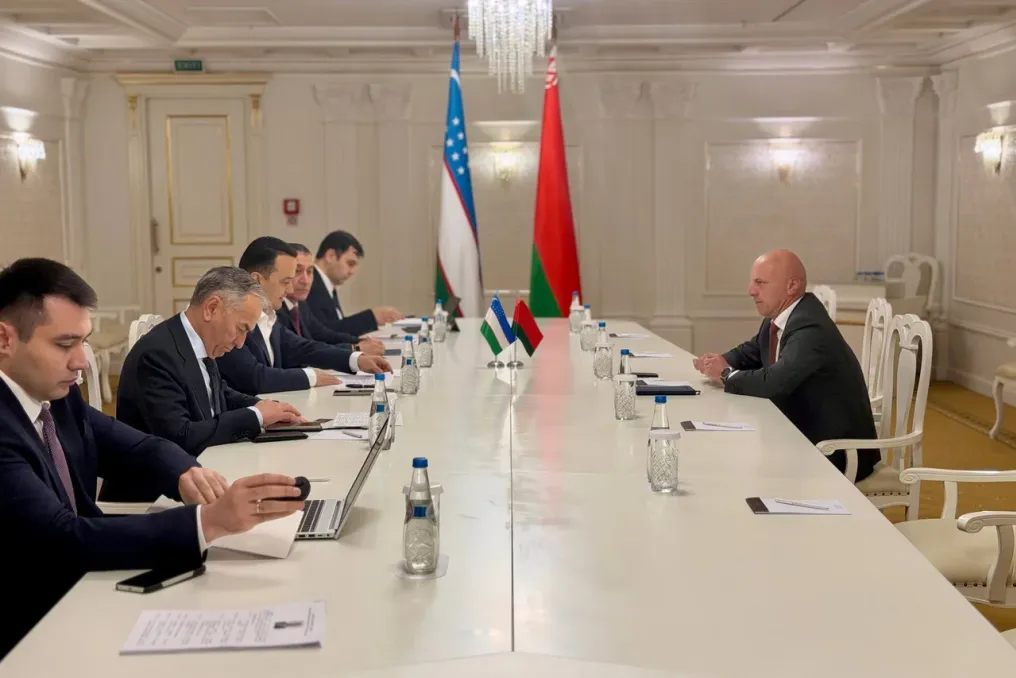
During the visit, the head of the Uzbek ministry held talks with the Deputy Prime Minister of Belarus, Yuriy Shuleiko. The participants noted the stable dynamics of mutual trade, which reached 965 million US dollars by the end of last year.
Currently, 250 enterprises with Belarusian capital operate in Uzbekistan, while 110 companies with Uzbek investments operate in Belarus. The parties discussed in detail the preparation of a joint roadmap for developing cooperation, as well as the organizational aspects of holding the third Interregional Forum, scheduled to take place in Minsk from July 6 to 8.
Areas for Strengthening Cooperation
The officials paid particular attention to the prospects of creating livestock clusters in Belarus and increasing cooperation in the fields of food production, light industry, furniture, chemical products, and building materials.
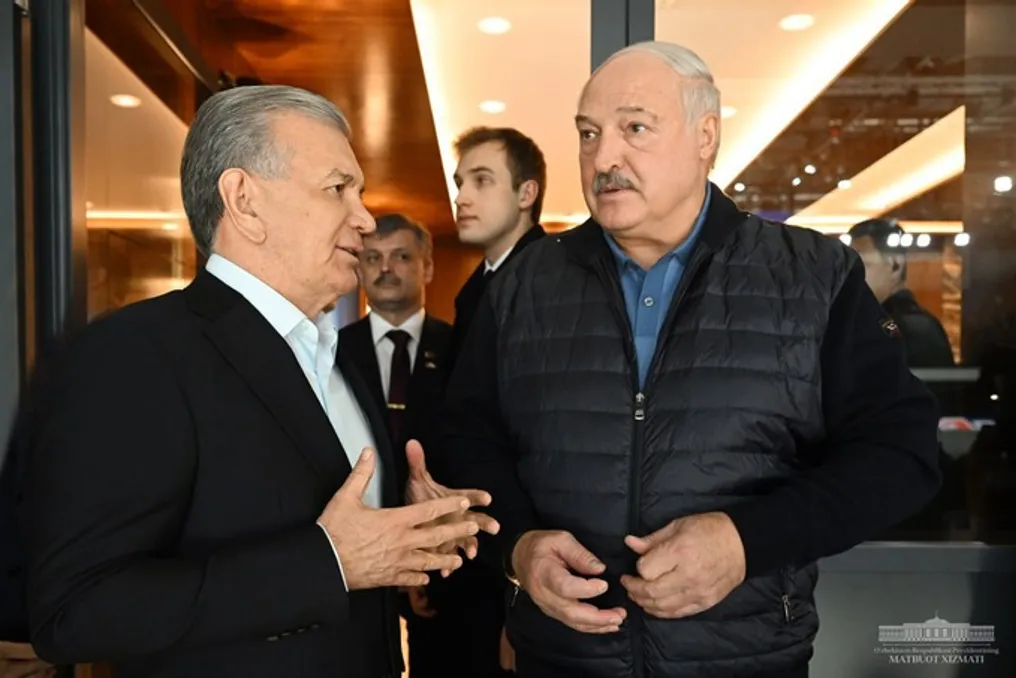
The meetings were also an important step in completing the organizational and substantive preparations for the upcoming official visit of the President of Uzbekistan, Shavkat Mirziyoyev, to Minsk.
Sectoral Discussions
Laziz Kudratov's visit program included meetings with leaders of major Belarusian companies. In the pharmaceutical sector, possibilities for localizing drug production and forming specialized scientific and production clusters in Uzbekistan were discussed. In the food industry segment, the minister discussed launching projects for the production of dairy products, confectionery, and baby food with partners.
Furthermore, after negotiations with representatives of the textile and woodworking industries, specific plans were outlined for organizing joint production of clothing, furniture, polymer products, and other in-demand goods.