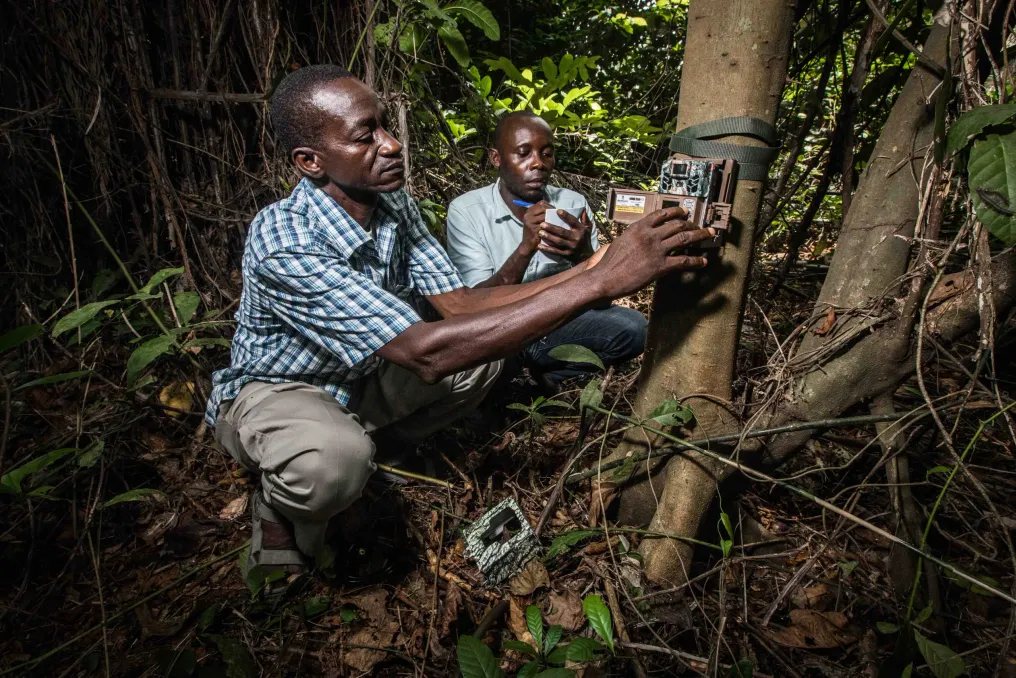
Nature conservationists have received a new tool. Global collaboration, led by the Wildlife Conservation Society (WCS), has launched the COMET platform. This free, open online platform is designed to help conservation practitioners more effectively track and measure the results of their activities.
This new resource integrates monitoring methods proven in field conditions worldwide. It allows organizations to choose practical and cost-effective approaches while fostering interaction within the conservation sector. The platform, known as the Conservation Monitoring Effectiveness Techniques platform or COMET, was developed through the Conservation Measures Partnership (CMP)—an international network of environmental organizations working to improve ecological indicators globally.
Conservation projects rely on accurate monitoring to determine whether efforts to protect wildlife, habitats, and ecosystems are yielding significant results. Previously, there was no centralized library offering practical guidance on selecting the most effective monitoring methods across different contexts. COMET solves this problem by providing free access to a growing collection of validated methodologies covering species populations, habitat, environmental threats, and human well-being.
According to Dr. Gautham Suri, a conservation planning scientist at WCS, monitoring often requires significant time, funding, and expertise. By simplifying access to reliable methodologies, specialists can spend less time building monitoring systems from scratch and more time improving conservation outcomes.
A key feature of COMET is its emphasis on traditional knowledge and the involvement of local communities. The platform contains specific materials that help conservation specialists respectfully engage with indigenous peoples and local communities. It acknowledges that knowledge based on generations of experience can provide valuable insights into ecosystems and biodiversity.
The traditional knowledge component was curated by Dr. Xiaowei Li from Southern Methodist University, who stressed the importance of viewing communities as equal partners, not just data sources. By combining scientific methods with the knowledge systems of indigenous and local residents, COMET aims to support more inclusive, equitable, and sustainable conservation practices worldwide.
The platform also promotes knowledge sharing within the global conservation sector. Project experts believe that COMET fills a long-standing gap between conservation planning and conservation measurement. While existing initiatives focus on identifying effective measures and planning strategies, COMET provides practical recommendations on how to consistently and effectively measure progress. Conservationists are encouraged to share their own monitoring methods for peer review, allowing the platform to expand as new techniques and innovations emerge.
As biodiversity faces increasing pressure globally, access to reliable monitoring tools can play a vital role in helping conservation specialists understand what works, adapt their strategies, and achieve better outcomes for both nature and people.