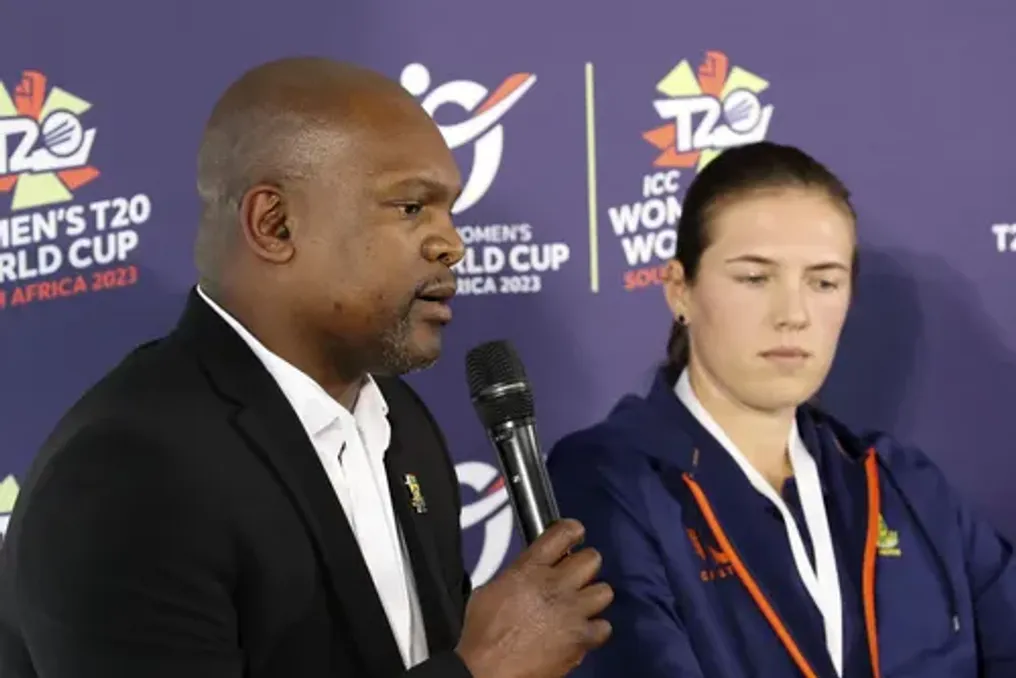
Enoch Nkwe, the cricket director of South Africa (CSA), expresses hope that establishing an 'A' level women's team in South Africa will help bridge the gap between domestic cricket and the main Proteas Women's team.
Context and Team Issues
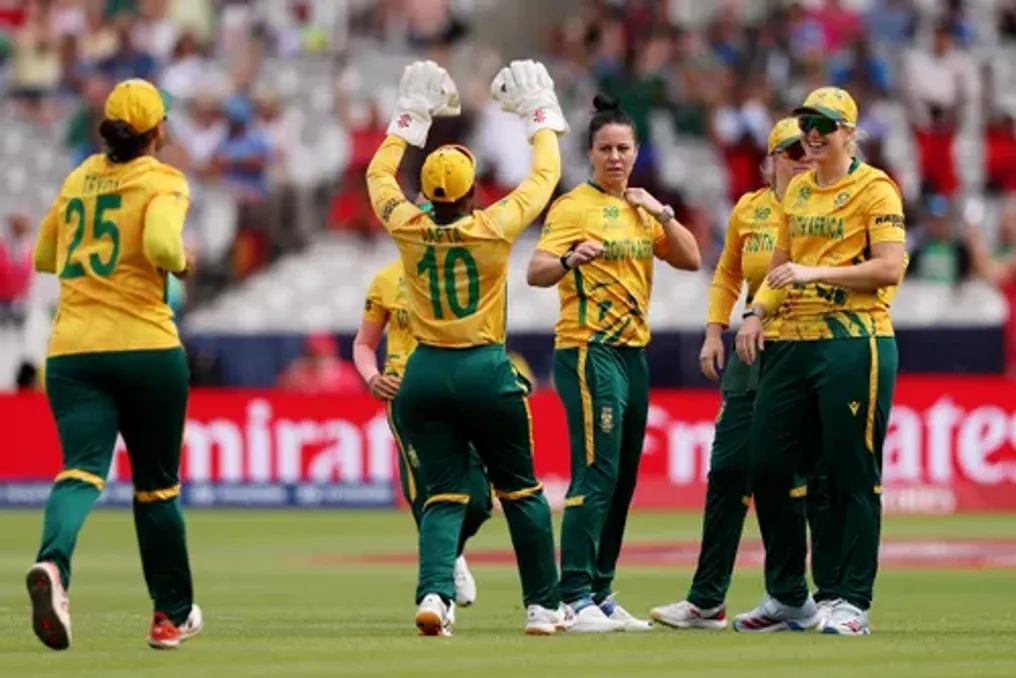
The national team, under coach Mandla Mashimi, recently suffered a crushing defeat in the T20 World Cup semi-final held in the UK, despite featuring a very experienced squad. The 15-player lineup included seven players who participated in the 2017 ODI World Cup semi-final, and the average age of the Proteas team was among the highest in the tournament.
Mashimi favors experienced players, recently bringing back Dane van Niekerk (33) and Shabnim Ismail (37) to the Proteas after long absences from international competition. This philosophy is often rooted in the belief that the current domestic structure of South African women's cricket, which includes the Hollywoodbets Pro50 and Hollywoodbets Pro20 leagues, has not yet reached the necessary standard to prepare young athletes for intense international competition.
Development Strategy Through the 'A' Team
CSA is actively implementing structures to elevate the next generation's game through the SA Emerging Women XI, which is set to play a home series of the baseball format against Bangladesh Emerging Women starting July 29. However, Nkwe's plan aims for a more significant elevation of standards by creating the SA 'A' Women's team.
Similar to the men's structures, this team will provide a second tier for players on the fringes of the main squad, allowing them to approach international standards. Nkwe exclusively told Independent Media: 'The plan is to create an SA 'A' program. Obviously, there are many players in the Proteas squad, but they are not getting enough game time, and it would be useful for us to have this SA 'A' level.'
He added that while the Emerging XI shows promising results, the next step is needed towards the Proteas level. Since touring players differ from them, they require better international exposure, such as experience in high-quality international cricket. Nkwe compared this to how England 'A' teams play against India or Australia, noting that it is time for South Africa to move in this direction.
Potential of Young Talent
Nkwe believes the current structure possesses promising young athletes, such as batter-wriser Karabo Meso (18), fast bowler Ayanda Khulubi (21), all-rounder Kayla Reineke (20), and top-order batter Mian Smith (21), who are honing their skills at the highest level.
In Nkwe's view, this will aid in their development and gap identification, while also providing a clearer picture of what is expected of them upon selection for the Proteas. He stressed that the goal is not for players to enter the Proteas merely for training. When they join the main squad, they must deliver results and help the team become a strong, stable, and dominant force in world cricket. He sincerely believes that the SA 'A' program will accelerate the learning process, without using the term 'fast track,' but will allow them to dominate with serious confidence, especially at the international level.