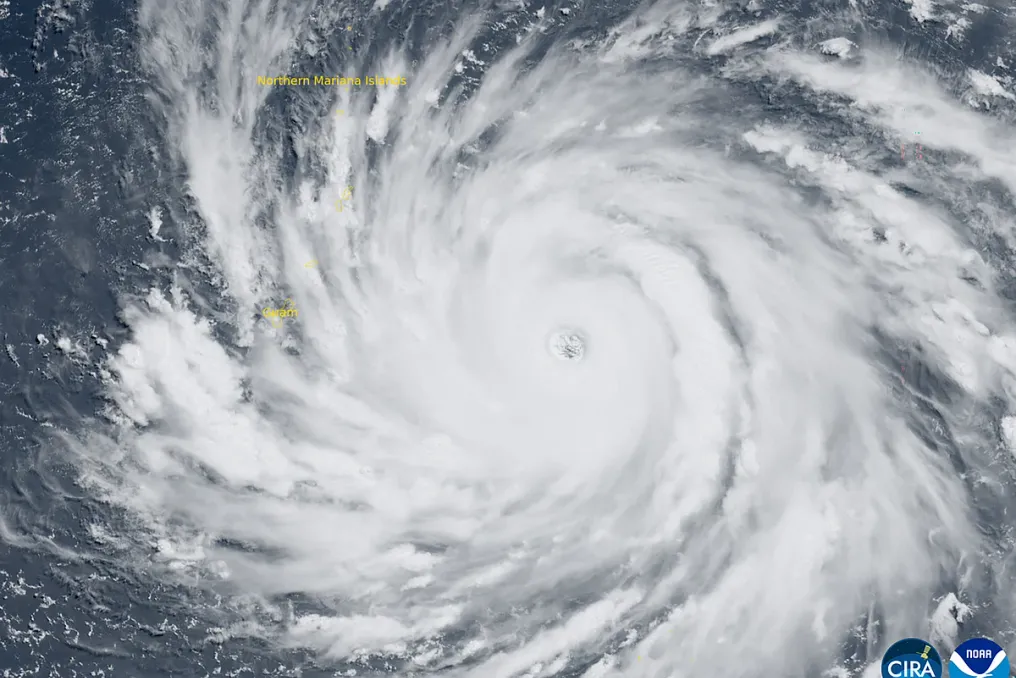
According to a report issued by the Philippine Civil Defense, Super Typhoon Bavi is 1,405 kilometers away and is on a course approaching the island of Luzon, the most populous region of the archipelago where Manila is located.
Movement and Impact Forecasts
Authorities estimate that Bavi will continue its northward movement until next Friday. The forecast indicates that on that day, it may head towards southern Japan and northern Taiwan.
Civil Defense has issued a warning about the possibility of heavy rainfall in Luzon, home to approximately 64 million inhabitants, as well as in other central areas of the country. However, there is an expectation that the storm will begin to weaken starting Thursday.
Safety Measures and Alerts
The Philippine Coast Guard announced in a press release that it is on maximum alert. Actions include preparing plans for a possible early evacuation of residents in high-risk coastal zones, in addition to monitoring maritime navigation safety.
Bavi, classified as a Category 5 typhoon, the highest, hit the coast of Rota Island on Monday. This island is part of the U.S. territory of the Northern Mariana Islands.
Meteorological Data and Consequences
According to data provided by the U.S. National Weather Service, the storm generated wind gusts reaching up to 290 kilometers per hour, along with waves with a maximum height of 7.6 meters. A cyclone is classified as a super typhoon when it records sustained winds of 241 kilometers per hour or higher.
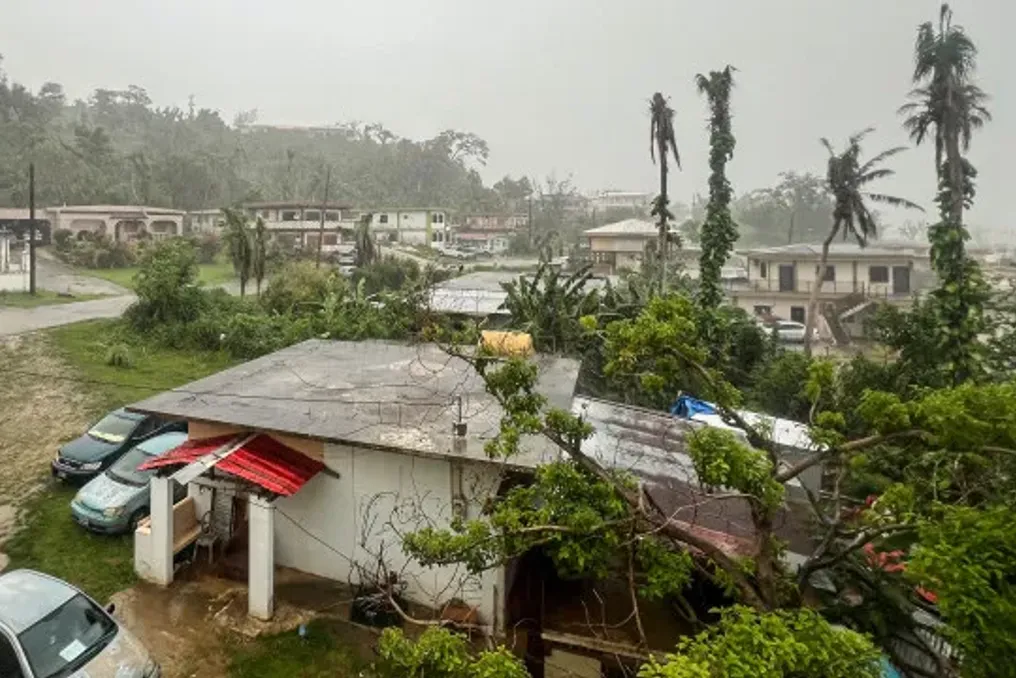
Northern Mariana Islands authorities reported that tens of thousands of residents lost electricity on Tuesday due to Bavi's passage through the archipelago.
Regional Alerts and Seasonal Context
Taiwan's Central Meteorological Administration signaled that if forecasts are confirmed, it may issue a maritime warning on Thursday, given the approach of this super typhoon, which is considered one of the most severe storms of 2026.
Typhoons are recurring events in this region during the summer and autumn months. This occurs because the warm waters of the Pacific Ocean favor the formation of these cyclones, which frequently cause considerable damage and disruption to transport and economic activities.
The Philippines was among the Southeast Asian countries most affected by cyclones in 2025, citing Kalmaegi and Super Typhoon Fung-wong, the latter causing over 200 deaths and affecting millions of people in November.