
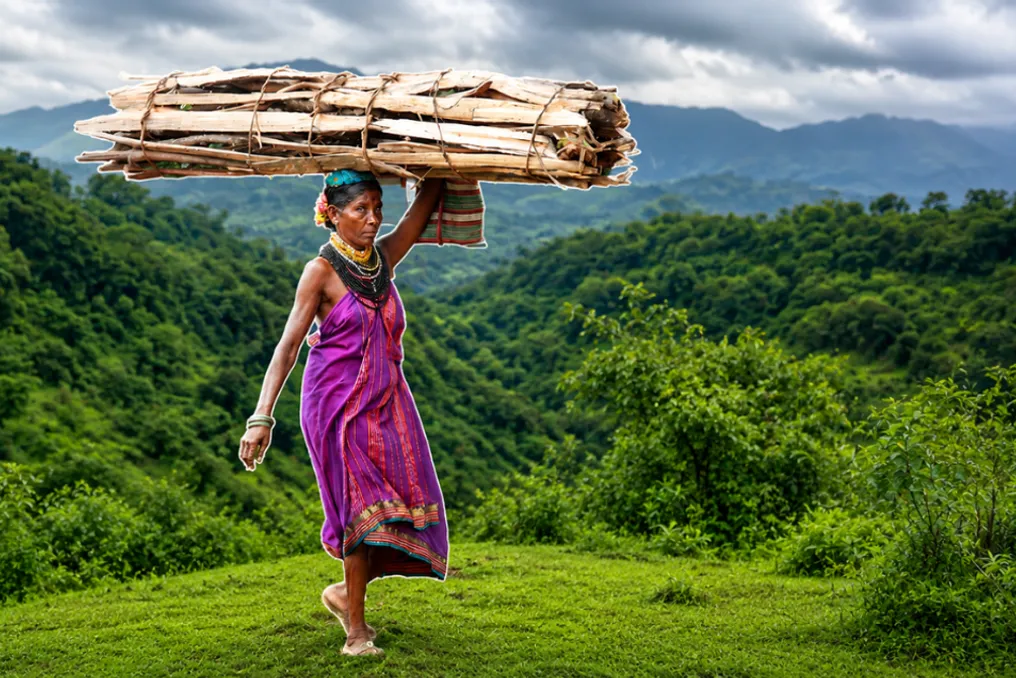
The Mahadev Koli tribe, an indigenous population residing in the state of Maharashtra, utilizes deep knowledge of nature to predict climate change. They are able to notice signs of changing seasons or weakening monsoons even before these changes are reflected in official climate data.
Knowledge Passed Down Through Generations
This community lives in the Western Ghats, one of the world's most biodiverse regions. For many generations, they have accumulated knowledge about the local environment, understanding how forests react to ecological stress, which plants signal seasonal changes, and how rainfall patterns shift.
For the Mahadev Koli, this knowledge is an integral part of a lifestyle shaped by centuries of agriculture, foraging, and close coexistence with nature. Despite this extensive knowledge base, little is known about the tribe and its heritage.
Research and Traditional Medicine
In 2025, the Centre for Resilience Studies (W-CReS) of the Watershed Organisation Trust (WOTR) documented part of this vast system of knowledge. The research highlighted the community's profound understanding of medicinal plants, biodiversity, and ecological transformations.
Traditionally hunters and gatherers, community members are now primarily engaged in agriculture, growing rice, sorghum, millets, and wheat, as well as engaging in animal husbandry and dairy production. However, their connection to the land extends beyond farming.
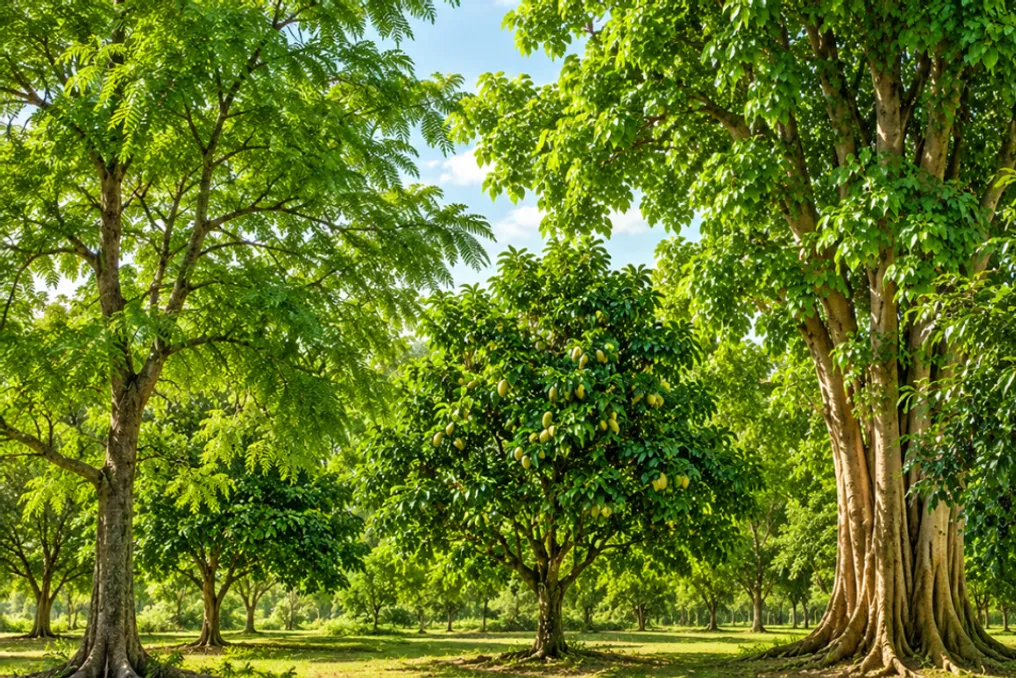
According to the study, the community uses 51 species of local trees belonging to 41 genera and 25 plant families to treat a wide range of ailments. These include fevers, coughs, dysentery, skin infections, joint pain, diabetes, snake and scorpion bites, using remedies derived from bark, leaves, and fruits.
Ecological Indicators and Observation
The elders of the community possess high accuracy in their knowledge: they know which species grow in specific locations, when their medicinal properties are strongest, and how seasonal fluctuations affect the efficacy of various remedies. Researchers refer to this as Traditional Ecological Knowledge (TEK)—a body of knowledge based on long-term interaction with local ecosystems.
The Mahadev Koli protect the forest not because they view it as separate from their lives, but because their health, livelihoods, and future directly depend on the forest's well-being. Instead of statistical data on precipitation, an elder can describe climate change through the late flowering of a tree or the earlier arrival of birds.
The community relies on seasonal calendars, local classifications of flora and fauna, and ecological markers to interpret environmental changes. While satellites and weather stations provide a broad overview of landscapes, communities like the Mahadev Koli offer ground-level understanding of how ecosystems change daily, noting shifts that often go unnoticed by standard monitoring systems.
Nature Conservation in Daily Life
Although community members do not label themselves as environmental activists, nature conservation is woven into their daily lives. For generations, they have relied on their knowledge of medicinal plants, seasonal changes, shifts in animal behavior, and the careful use of natural resources.
Today, as governments and conservation groups seek ways to protect ecosystems and enhance climate resilience, many scientists are turning their attention to tribes like the Mahadev Koli.
A New Generation of Nature Defenders
Some members of the tribe are becoming active nature defenders. For example, Madhura Ghane, known as Mahi G, is an engineer who became a rapper at around twenty years old. Through her music, she spreads themes related to forests, indigenous rights, and climate justice far beyond her village in Maharashtra.
Her debut rap, 'Jungle Cha Raja,' celebrated the close bond between indigenous communities and forests while simultaneously questioning the threats facing both aspects. Her songs address issues of climate change, environmental destruction, social equality, and the rights of marginalized groups.
Lessons from Community Life
Travel writer Oindrila Soni, who visited the Purushwadi village inhabited by the Mahadev Koli in the Sahyadri of Maharashtra, expected to learn about tribal life. However, she was most impressed by the values shaping this culture. In her 2018 account of the visit, Soni noted the community's self-sufficiency, where families grew most of their food and kept livestock. She was struck by the caring attitude towards animals, the strength and leadership of women, and the strong sense of community.
The most noticeable aspect was the absence of excess: crops were grown based on family needs, food went directly from farm to table, and neighbors regularly helped each other with gardening and household chores. The W-CReS study also emphasizes the need for greater recognition of Traditional Ecological Knowledge (TEK) in climate adaptation planning and conservation efforts.
The main lesson the Mahadev Koli teach us is that nature conservation begins with establishing relationships with nature, not just with regulation. Their long-standing practice is based on the principle of consuming only what is necessary, understanding seasonal rhythms, and recognizing the deep interconnectedness between human health and the health of nature.