Preparing the perfect grilled steak requires attention to detail, starting from choosing the right cut of meat to knowing when to flip and rest it. Several simple tips can drastically change the outcome, making every meal special.
Choosing the Right Meat
The foundation of successful barbecue is selecting the ideal cut of meat, as this determines the taste, texture, and cooking time. Several types are highlighted as best options for grilling:
Ribeye is distinguished by its high marbling, which makes it juicy and rich in flavor. Sirloin steak offers a balance of tenderness and rich flavor, suitable for those who prefer leaner meat. T-Bone combines parts of sirloin and tender fillet, offering the best of both worlds. Porterhouse is similar to the T-Bone but has a larger portion of fillet, making it ideal for hearty feasts.
Rump should also be considered, as it is rich in deep meat flavor and best cooked medium, while Fillet is the most tender cut, although its mild flavor can be enhanced by adding spices or brushing with oil.
Preparing the Steak for Grilling
The secret to an incredible steak begins even before it hits the heat. To ensure a perfect result, several preparatory steps must be taken.
Bringing to Room Temperature
Before cooking, the steak should be taken out of the refrigerator at least 30–45 minutes in advance. This guarantees even cooking and prevents a cold center.
Simplicity in Seasoning
To enhance the natural flavors of the meat, it is sufficient to use coarse salt and freshly ground black pepper. If you wish to improve the taste, you can lightly rub the meat with garlic, rosemary, and olive oil.
Avoiding Heavy Marinades
If you are not working with tougher cuts, you should refrain from using heavy marinades, as they can mask the natural flavor of a good steak. It is important to maintain simplicity in seasoning.
Creating the Grill Fire
A good grill is impossible without properly prepared fire. Here is how to achieve ideal conditions:
Fuel Selection
For the best smoky aroma, it is recommended to use charcoal, flavored wood, or quality briquettes.
Importance of High Temperature
Steaks require intense heat for proper searing. The target temperature should be around 230–260°C.
Using Two-Zone Fire
It is recommended to organize two temperature zones: one side of the grill should be very hot to create a crust, and the other should have a lower temperature to rest thicker pieces without the risk of burning.
Perfect Crust and Texture
The moment of magic arrives—achieving perfect caramelization on the outside while maintaining tenderness inside.
Hot Grate
The grate is considered perfectly hot if you cannot hold your hand over it for more than two seconds.
Do Not Press or Poke
Every time you press down on the steak or pierce it with a fork, you lose precious juice.
Flip Only Once
To achieve the best crust and juiciness, allow the steak to sear on one side until it naturally releases from the grate, after which it should be flipped.
Resting and Serving the Dish
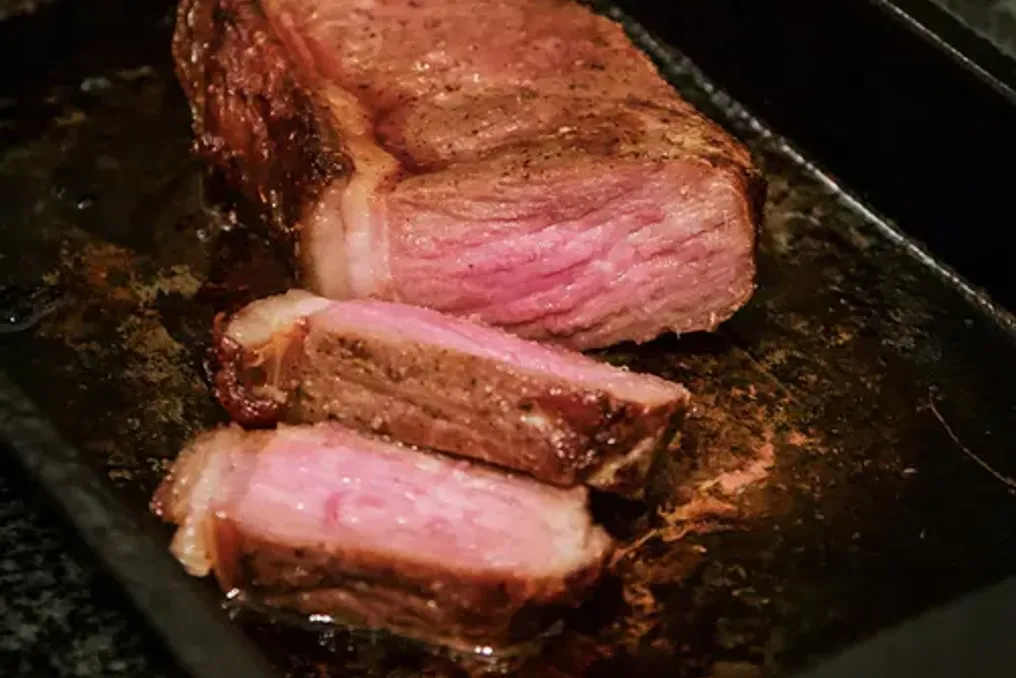
After the steak is removed from the grate, it needs to rest for five to ten minutes. This period allows the juices to distribute evenly throughout the piece, ensuring juiciness and tenderness with every bite.
Slicing Against the Grain
Slicing the steak across the muscle fibers makes it even more tender.
Final Flavor Touch
Before serving, adding a piece of garlic butter melting on the steak will give the dish an extra level of sophistication.