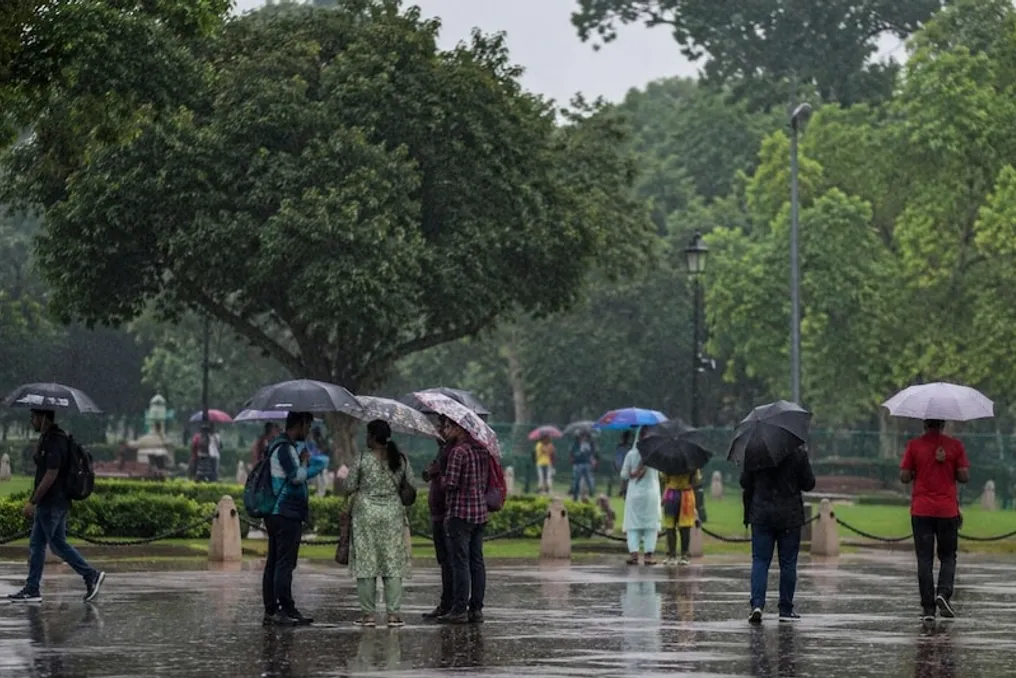
Thanks to the activation of the monsoon season in the country, the situation regarding rainfall deficit has begun to improve. The central government reported on Tuesday that as of July 7, the rainfall deficit in the country had decreased to 12 percent. During the first week of July, precipitation recorded exceeded the norm.
High-Level Discussion on the Situation
According to the Prime Minister, a high-level meeting was held under the chairmanship of the First Secretary of the Prime Minister, P.K. Mishra, due to the condition of crop cultivation and the potential impact of El Niño. During this meeting, the Indian Meteorological Department (IMD) presented data on rainfall and the state of the monsoon in the country from June to July 7.
Monsoon Status and Forecasts
The IMD specified that in the states of Gujarat, Madhya Pradesh, Chhattisgarh, and Maharashtra, the delay in the onset of the monsoon was about ten days. Nevertheless, by July 7, the rainfall deficit across the country had reduced to -12 percent, and the monsoon activity in the first week of July was better than normal. The government emphasized that July accounts for more than 30 percent of the entire monsoon season, so the situation is under constant monitoring. According to the meteorological service forecasts, weak or moderate El Niño is expected in July and August.
Monitoring of Agricultural Crops
The Ministry of Agriculture provided information at the meeting regarding the potential impact of El Niño and readiness for the cropping season. The government is continuously monitoring rainfall levels, water reserves in water bodies, crop sowing, availability of fertilizers and seeds, market prices, and pest outbreaks. Plans for managing agricultural disasters were updated for 262 vulnerable districts of the country. Furthermore, the Indian Council of Agricultural Research (ICAR) issued guidelines for agricultural research centers on combating El Niño risks. It was noted that in years with low rainfall, grain production was maintained through the use of climate-adapted seeds and new technologies.
Resource and Health Control
The meeting also analyzed grain stocks, fertilizer availability, drinking water, power generation, and livestock feed conditions. The government stated that current levels of reserves in water bodies and groundwater are normal, but monitoring will continue throughout the monsoon season. The Ministry of Health advised states to remain vigilant regarding diseases such as heat and humidity-induced fever and dengue. In turn, the Ministry of Rural Development reported that under the 'Guarantee Employment and Livelihood of Developed India' mission, approximately 10 million man-days of employment were provided from July 1 to date.
Instructions for Government Agencies
The PMO directed all ministries and states to constantly monitor the state of the monsoon and vulnerable areas to take necessary measures in a timely manner if required.