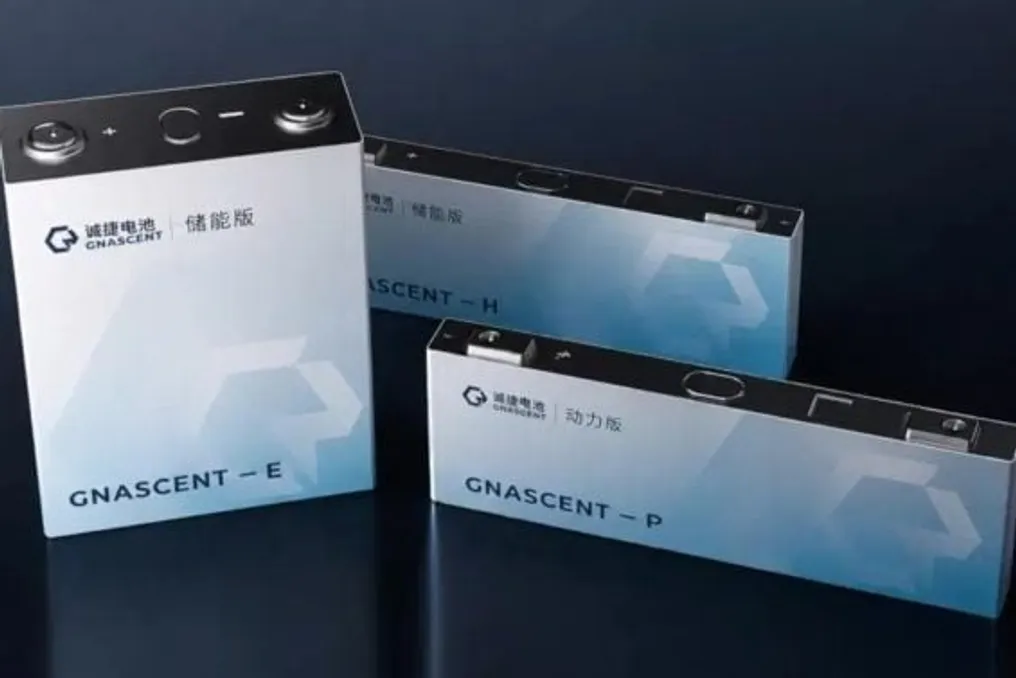
China's strategy to make electric cars affordable has encountered a dilemma: to reduce the cost of sodium-ion batteries, considered a promising option for sustainable mobility, the domestic industry has begun using coal.
China's strategy to make electric cars affordable has encountered a dilemma: to reduce the cost of sodium-ion batteries, considered a promising option for sustainable mobility, the domestic industry has begun using coal.
Unlike lithium-ion batteries, sodium batteries use more accessible and abundant raw materials, which should lower the final price of vehicles. However, the technological shift presented a significant technical challenge: since sodium ions are larger than lithium ions, they prevent the use of graphite anodes. Therefore, manufacturers had to develop the capability to produce so-called 'hard carbon,' which fulfills this function in sodium cells.
Initially, this hard carbon was extracted from biomass, mainly carbonized coconut shells, which were imported from Southeast Asia. Although this solution worked, it created external dependence that Beijing wished to avoid and could not meet demand. Domestic coconut production would only be sufficient for about 6.3 GWh of batteries annually, a volume much lower than the sector's projection of over 100 GWh by 2027.
To eliminate this dependence, the industry turned to anthracite coal, a resource widely available in Chinese territory. Despite seeming contradictory to use a fossil fuel in an ecological technology, this choice is seen as strategic. The hard carbon anode accounts for between 10% and 20% of the cell mass, and chemical companies are already adjusting their production lines to transform coal into high-purity hard carbon.
Furthermore, there is a notable gain in efficiency: while processing agricultural waste, such as coconut shells, recovers approximately 2.5% of usable carbon, the process with anthracite can reach about 45%. This change has already impacted costs, causing the price of hard carbon to drop to less than 30,000 yuan per ton (about 23,000 Brazilian reais at the current exchange rate). The sector is now aiming for an even more ambitious target, aiming for a cost below 20,000 yuan (approximately 15,000 Brazilian reais) per ton.
With this, China is advancing in building an almost self-sufficient supply chain for sodium batteries. By reducing costs, this technology is expected to be adopted more widely compared to lithium iron phosphate batteries, especially in entry-level electric models, where price remains the determining factor for the consumer.