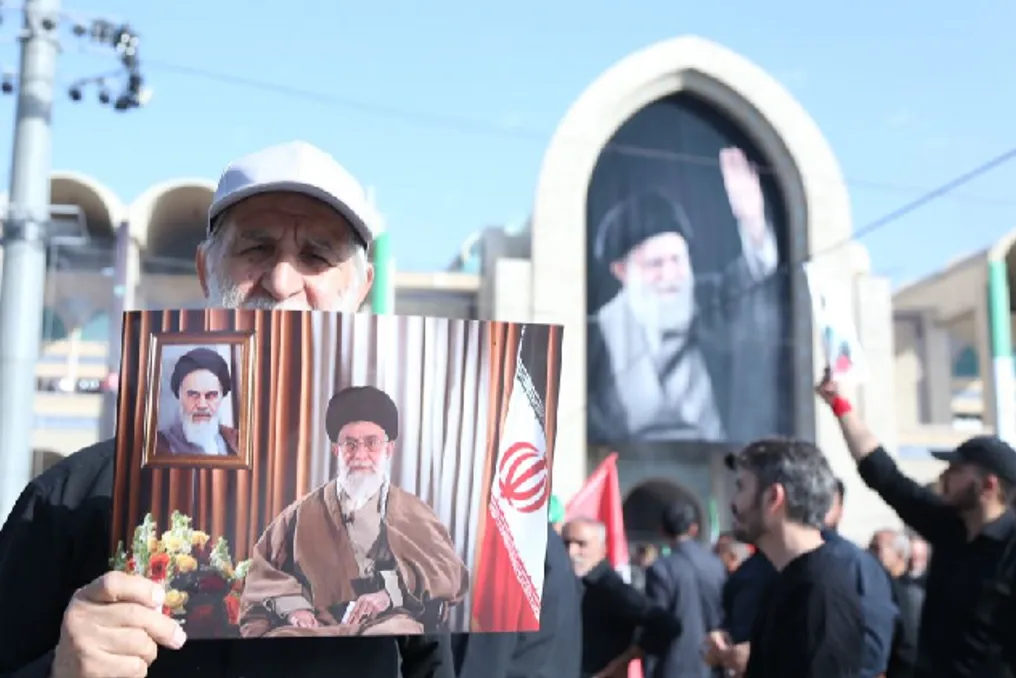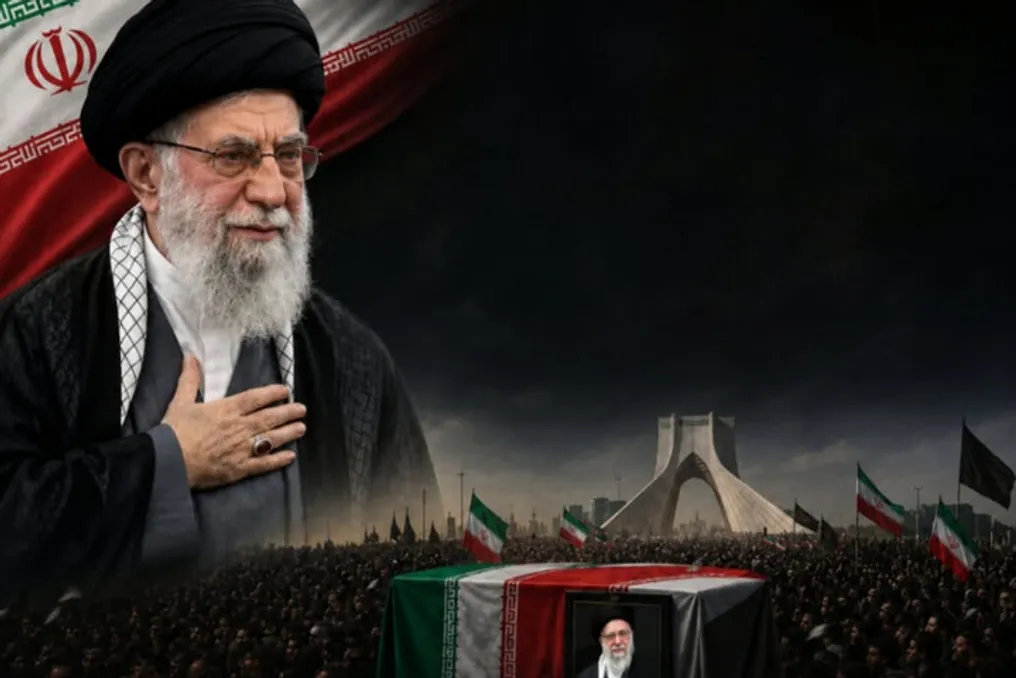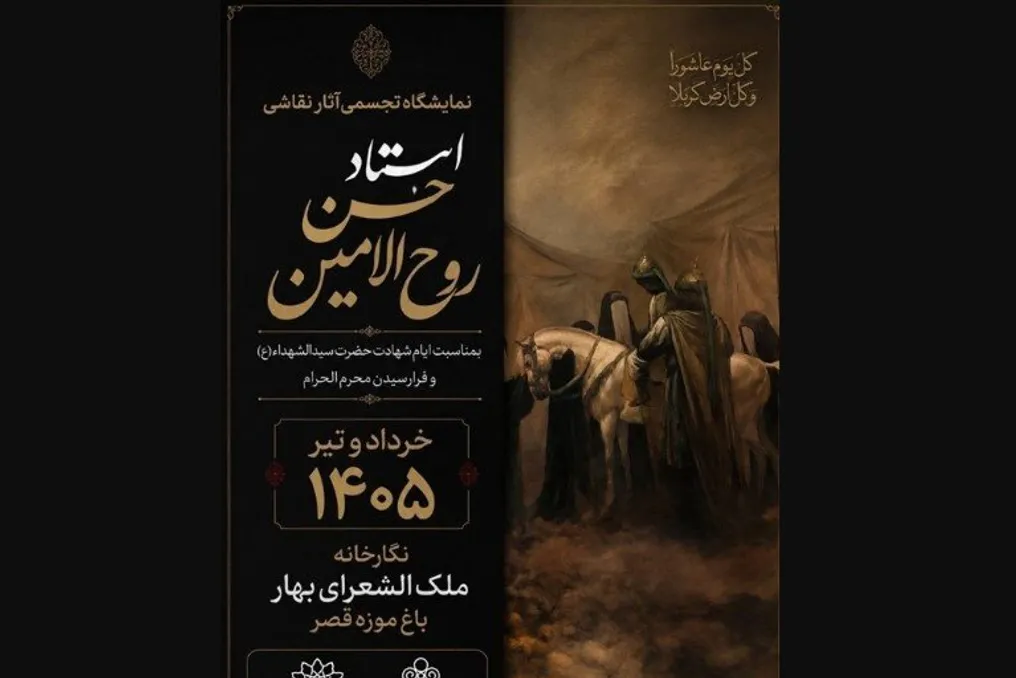
A series of literary, visual-artistic, musical, and theatrical programs were organized in Tehran, running parallel to the farewell ceremonies and funeral of the martyred Leader of the Islamic Revolution, Ayatollah Sayyed Ali Khamenei, from Saturday to Monday.
Goal of the Artistic Events
Mohammad Khorasanizadeh, Deputy for Artistic Affairs of the Tehran Municipality's Organization of Arts and Culture, explained that the goal was to ensure that art during these significant days did not merely serve a decorative function, but became the language of the people to express their feelings, devotion, loyalty, and renewed commitment to the Martyred Leader.
Venues and Initiatives
The complex of artistic events was developed and implemented in various parts of the city, especially along the route of the farewell procession and funeral. These programs were organized with the participation of specialized departments of the deputy for artistic affairs within the Tehran Municipality's Organization of Arts and Culture, and each initiative aimed to preserve and immortalize part of the people's emotions and narratives during these historic days.
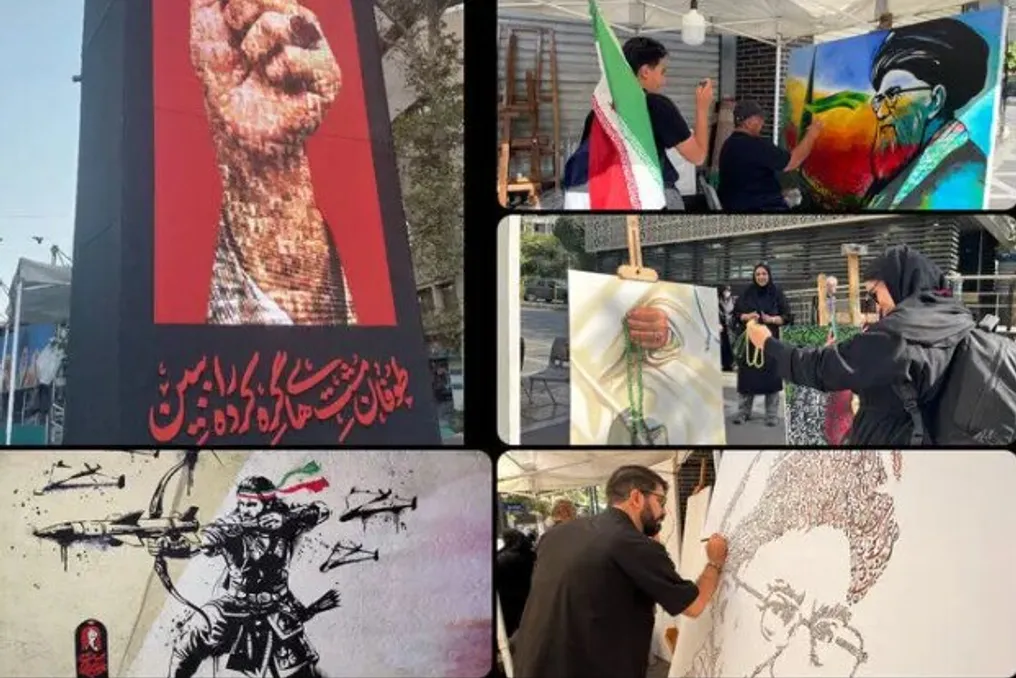
The Iranian House of Cartoon created graffiti works dedicated to resistance, the Martyred Leader, and the epic spirit of the Iranian people along the funeral route. Additionally, a group of visual artists gathered in Vali Asr Square to create live paintings and portraits of the Martyred Leader, which was supervised by the Organization's House of Fine Arts.
Literary and Musical Events
Khorasanizadeh noted that the literary event 'Last Meeting' was jointly organized by the House of Literary Works of the Tehran Municipality's Organization of Arts and Culture and the Artistic Bureau at Imam Khomeini Mosque. This unprecedented event brought together about 300 poets from Iran and other countries who continuously recited elegiac poetry in mourning for the Martyred Leader in the main prayer hall of the mosque over 48 hours.
Regarding musical performances, he explained that the House of Musical Works prepared and released a series of musical pieces specifically for this occasion, contributing artistically to the narrative of this historical event through compositions reflecting sorrow, heroism, and resistance.
Theatrical Performances and Interactivity
Furthermore, Khorasanizadeh reported that theatrical performances—including regional folk music, Tazieh (passion plays), children's and youth choirs, religious elegies, and plays—were organized by the House of Theater in Vali Asr Square and other designated locations, where they were met by the public.
Concerning the interactive art project 'Oath,' created with public participation using images of clenched fists, Khorasanizadeh explained: 'This work was designed and realized thanks to the direct participation of the public. Hundreds of participants present at the farewell ceremonies and funeral of the Martyred Leader contributed by recording images of their own clenched fists. These digital images were then compiled into a single five-meter portrait depicting the Martyred Leader's clenched fist. This work symbolizes the solidarity of the people, their loyalty, and their renewed promise to the ideals of the Martyred Leader. Its distinguishing feature was that the public were not just spectators of the artwork—they became an integral part of its creation.'
Overall Resonance and Additional Activities
Referring to the strong public response to the artistic activities along the funeral route, he added that the enthusiastic participation of citizens alongside artists and their interaction with the works demonstrated that art remains one of the most effective ways to express collective emotions and preserve historical moments.
Khorasanizadeh also highlighted other initiatives conducted during this period, including participation in a visual arts event, the storytelling program 'Farewell to the Sun,' and the public narrative campaign 'Me and My Martyred Leader,' each aimed at documenting and preserving the emotions, memories, and personal testimonies of people about the Martyred Leader through various artistic and cultural forms.
Cultural Life of Tehran
He emphasized that the events went far beyond the central farewell and funeral ceremonies. Simultaneously with this historic event, cultural centers, art centers, galleries, and institutions affiliated with the Tehran Municipality's Organization of Arts and Culture hosted specialized artistic events throughout Tehran. Artists across the city paid tribute to the Martyred Leader and interpreted this historic event through visual art, literature, theater, and music.
In conclusion, Khorasanizadeh stated: 'What happened during these days was not just a gathering of cultural programs, but an artistic effort to document a historical event and fulfill the duty of the artistic community towards the martyred Leader of the Islamic Revolution. During these days, art demonstrated its ability to preserve, document, and immortalize the nation's collective memory.'