A new investigation suggests that Neanderthals (Homo neanderthalensis) and modern humans (Homo sapiens) not only inhabited the same area for thousands of years but may also have shared common cultural practices.
Discovery in Üçağızlı II Cave
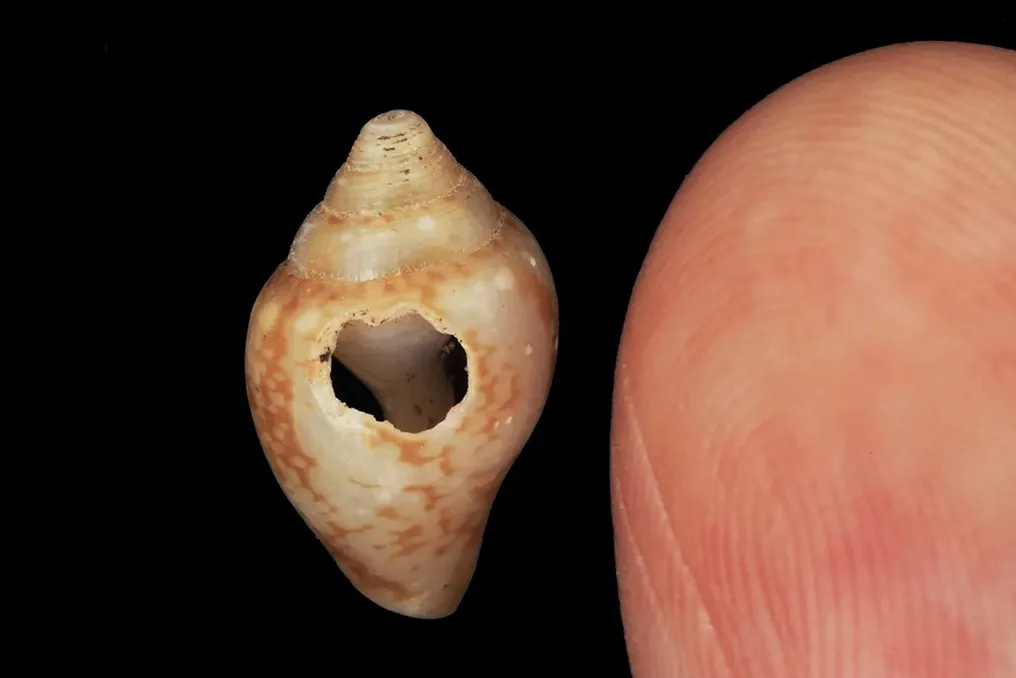
Researchers located evidence that both groups collected the same type of marine shell, specifically Columbella rustica, during the occupation of the Üçağızlı II cave, located in southern modern-day Turkey. This small mollusk had no apparent nutritional or practical functional value, leading to the belief that the shells were appreciated for decorative or symbolic reasons—a behavior previously associated exclusively with modern human species.
Research Context and Chronology
The findings were formally published in the scientific journal Proceedings of the National Academy of Sciences (PNAS). Although it was known that Neanderthals and Homo sapiens coexisted and had mixed descendants—leaving genetic traces of 1% to 2% in some people—the study sought to understand if there was also a sharing of customs and knowledge beyond genetic exchange.
A team composed of members from Turkey, Japan, and France dedicated five years to the meticulous excavation of the Üçağızlı II cave. This site is located in the Levant, a crucial area connecting Africa to Eurasia and serving as a route for early Homo sapiens during their migration out of Africa. Given the scarcity of fossils from this period, any finding at this site is vital for filling gaps about the encounter between the two species.
Analysis of Archaeological Findings
The vestiges indicate that Neanderthals used the cave between approximately 77,000 and 59,000 years ago, subsequently occupied by modern humans between about 59,000 and 47,000 years ago. Despite there being no evidence that the two groups lived simultaneously at the location, the transition from one to the other occurred quite rapidly. The identification of the hominid species was made through the analysis of the internal structure of the teeth, while the dating of the sediment layers utilized the optically stimulated luminescence technique, which measures the time since mineral grains were buried without sunlight.
Even with the change in occupants, the lifestyle remained remarkably similar. Both populations manufactured stone tools using flint, extracted from identical local sources, and hunted similar animals, such as wild boar and goats. However, the most notable aspect was the discovery of 29 Columbella rustica shells. Some of these shells showed perforations, suggesting use in ornaments or necklaces. One shell dated to the Neanderthal period exhibited signs of intentional heating, possibly to modify its coloration.
Cultural Implications and Scientific Debate
It is relevant to note that there were several other types of shells available on the Mediterranean coast, but both Neanderthals and modern humans demonstrated a clear preference for Columbella rustica. Co-author Naoki Morimoto commented to Discover that, given that daily survival depended directly on obtaining food, the shared focus on a shell useless for subsistence is highly revealing, as it indicates that both groups attributed great value to potentially symbolic behaviors even under strong survival pressure.
The authors emphasize that they are not claiming that this tradition was passed from one group to another; it is plausible that both developed such behavior independently. However, they consider it more likely that some form of cultural exchange occurred, whether through direct contact, mutual observation, or long coexistence in the region. Morimoto reinforced in a statement that the findings point to a high degree of cultural interaction, suggesting that these distinct but closely linked groups probably shared symbolic preferences beyond just adapting to the same environment.
April Nowell, an archaeologist from the University of Victoria, Canada, who did not participate in the research, opined in an interview with Live Science that sites like Üçağızlı II are transforming the scientific understanding of the relationship between different human species, showing levels of cultural interaction higher than previously imagined. The researchers themselves admit that many questions remain, such as the exact timing of the emergence of these traditions, how they were transmitted, or if there was a link to the interbreeding between Neanderthals and Homo sapiens. Future excavations at the cave should help clarify these issues.