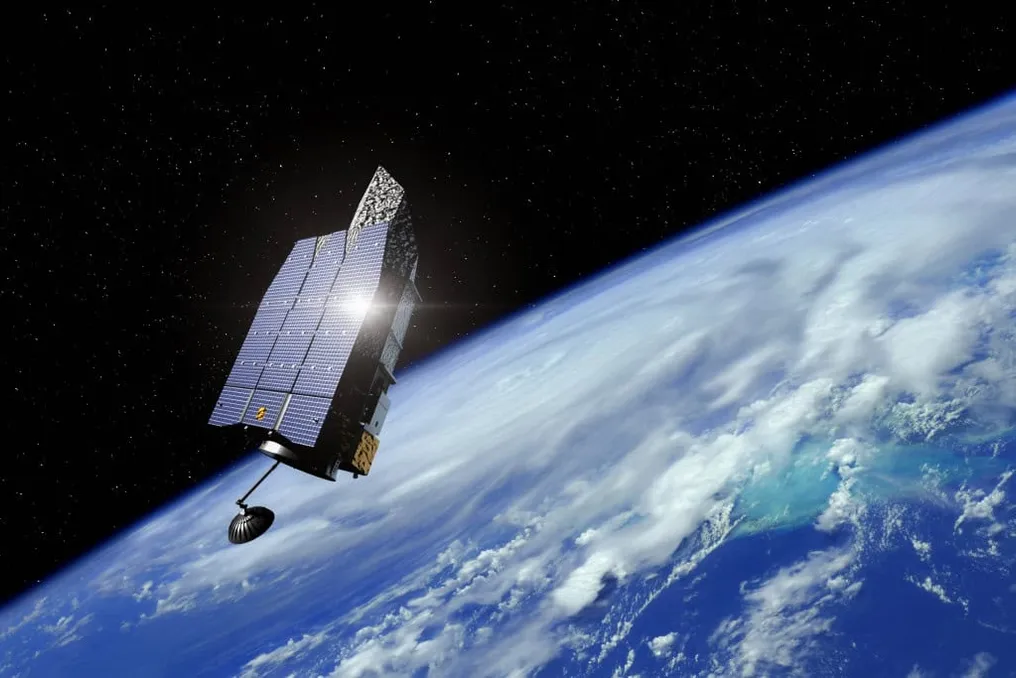
The Nancy Grace Roman Space Telescope, developed by NASA, has reached an advanced stage of preparation after being positioned vertically by engineers from the Kennedy Space Center. This movement allows the observatory to proceed with crucial inspections and tests before its mission.
Technical Preparations and Logistics
According to the publication Science, this procedure is part of the activities preceding the telescope's final assembly for launch. The Roman was transported in a specialized container, maintaining strict control over temperature and humidity, traveling from NASA's Goddard Space Flight Center in Maryland to the Kennedy Space Center in Florida.
Upon arrival, technicians removed the observatory from the packaging and performed additional cleaning to eliminate any contaminants from the facility. Subsequently, the equipment was transferred to the large assembly hangar, where it will continue to undergo various stages of preparation.
Observatory's Next Steps
Subsequent phases include meticulous inspections of the observatory, conducting operational tests of its systems, pre-launch integration work, and final preparation for the space journey.
Observation Capability Superior to Hubble
The telescope is named after Nancy Grace Roman, recognized as NASA's first chief astronomer and a fundamental figure in the development of the Hubble Space Telescope. Its main purpose is to expand the capacity to study the cosmos and observe the Universe more completely.
Science points out that the Roman will feature a field of view at least one hundred times larger than Hubble's. This characteristic will allow it to capture more extensive spatial areas in a single observation, assisting scientists in analyzing various astronomical phenomena.
Launch Expected with Falcon Heavy
NASA, in partnership with SpaceX, plans to launch the telescope using the Falcon Heavy rocket, departing from Launch Complex 39A at the Kennedy Space Center. The mission is expected to occur on a date after Sunday, August 30th. Meanwhile, teams are dedicated to the necessary tests and procedures to ensure the full functionality of the observatory.
With its expanded vision compared to Hubble, the Roman establishes itself as a new and powerful tool for investigating distant regions of the Universe and seeking answers to central questions in contemporary astronomy.