The construction of a cogeneration complex is planned in the Fergana region of Uzbekistan, which will produce thermal and electrical energy by processing agricultural biomass.
The construction of a cogeneration complex is planned in the Fergana region of Uzbekistan, which will produce thermal and electrical energy by processing agricultural biomass.
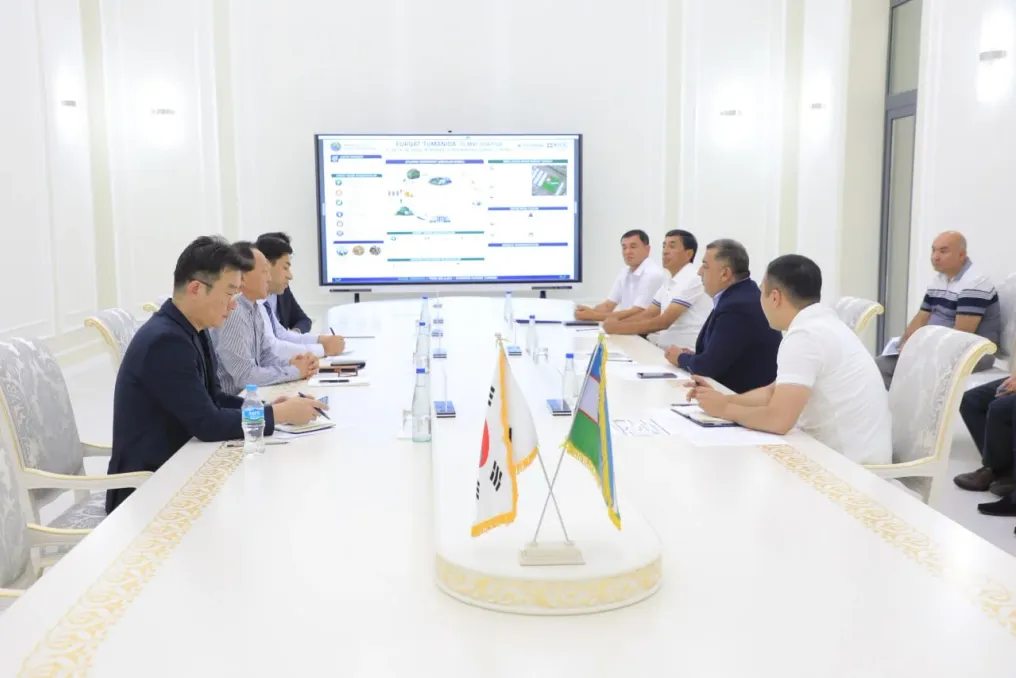
The investment project was discussed at a meeting between Mirzohid Ubaydullaev, First Deputy Hokim of the Fergana region, and Yonggon Won Shin, head of the Korea Institute of Climate Change, according to the regional administration's press office. The parties emphasized the significant economic and environmental prospects of using agricultural residues for sustainable energy production.
The technical model of the facility will be based on the reprocessing of local biomass materials, specifically cotton and wheat stalks. According to the presented materials, the project will be implemented in cooperation with the South Korean corporation Hyundai Power Systems. The industrial complex will be located on a 5-hectare plot in the Kokand Free Economic Zone, situated in the Furkat district.
The construction of the enterprise is scheduled to take place from 2026 to 2028, and the preliminary capital cost of the project is estimated at 65 million US dollars. After commissioning, the installation will be able to generate up to 10 MW of electricity per hour, which amounts to about 70 million kWh per year. This volume of energy is sufficient to meet the needs of approximately 58,000 local households.
Furthermore, the enterprise will produce 20 Gcal of thermal energy per hour, equivalent to nearly 146,000 Gcal annually. This heat supply will allow for the centralized heating of about 24,000 residential buildings. The launch of this clean energy facility is expected to create approximately 500 new jobs in the region.