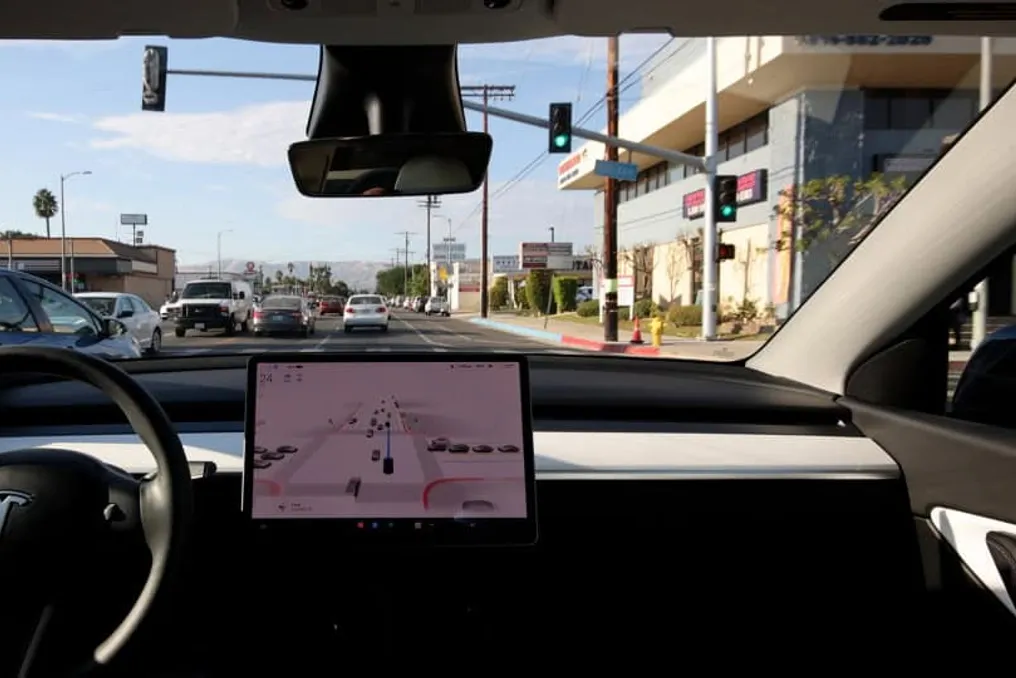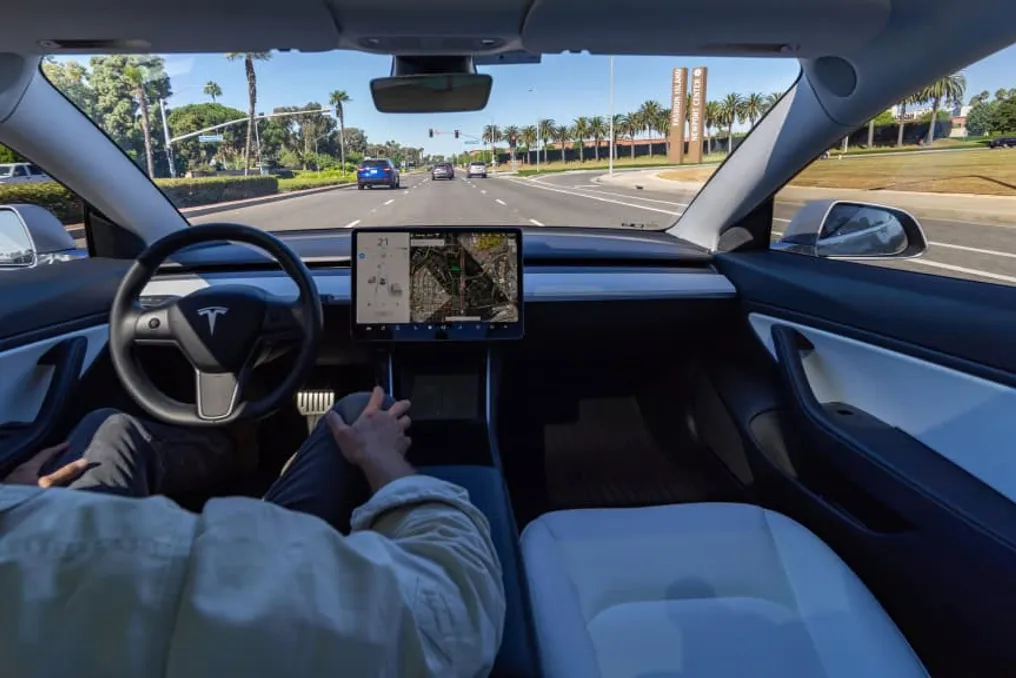
A code discovered in the Tesla automaker's application suggests that in the future, the use of Full Self-Driving (FSD) may require an additional step: the internal camera must confirm the driver's identity before activating the feature.
Changes to FSD Access
According to information obtained by Electrek, although the function has not been officially announced, indications point to an increase in control mechanisms associated with the assisted driving system. The discovery was made in version 4.58.5 of the Tesla app for iPhone, where excerpts indicate that the vehicle will start checking if the person behind the wheel matches a previously authorized profile.
If this validation fails, FSD will be blocked, and an error notification will be displayed in the application. However, as is common with Tesla innovations, this does not imply an immediate launch, as it depends on firmware updates and some preliminary functionalities do not always reach the public.
Difference Between Attention and Identity
Since 2021, the camera located above the rearview mirror monitors the driver's attention signs. With the implementation of FSD v12.4, this monitoring focused primarily on faces and eyes. However, the proposed identity verification aims at a different purpose: ensuring that the individual is authorized to operate the system.
Potential applications of this verification include preventing unauthorized individuals from using FSD, managing access in rented or shared vehicles, tying the feature to the primary subscriber, and expanding control in future robotaxi services.
Technological Limitations and Incidents
Despite the advancement, the technology has limitations, as the camera uses a standard RGB sensor. The Tesla manual warns that conditions such as low light, camera obstruction, wearing hats, or sunglasses can impair its performance.
These limitations were highlighted after a serious incident: a driver was filmed apparently sleeping while driving a Tesla at approximately 100 km/h on the Trans-Canada Highway in Canada. Witnesses reported that there were two children sleeping in the vehicle during the occurrence. This case reinforces that identifying the driver is a separate task from ensuring they remain alert, something the manual already recognizes as vulnerable under certain circumstances.
Driver Responsibility
Even with the introduction of increasingly advanced features, Full Self-Driving remains classified as a Level 2 assistance system. This means that the ultimate responsibility for driving rests entirely with the driver. If identity verification is implemented, it will add another layer of control to FSD access, following the trajectory of Tesla's technological development in its driving assistance systems.